Online Reporter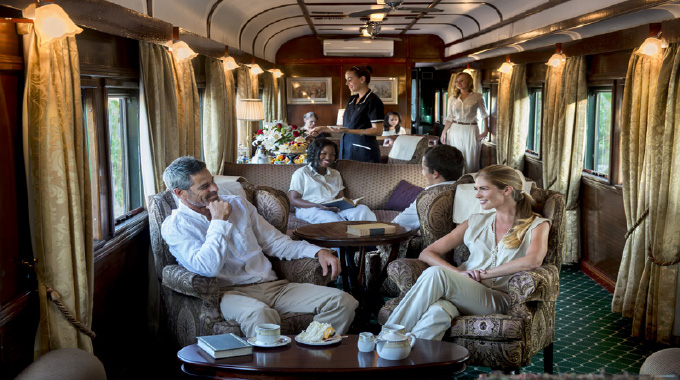
Simbarashe Murima, [email protected]
THE slow tourism niche continues to grow in various parts of the world, although, in my opinion, not as significantly in Africa. Perhaps the increasing demand for off-grid getaways has contributed to the rise in popularity of luxury train travel in Europe, Asia, Australasia, and other regions.
This concept may sound unfamiliar to some scholars and members of the general public. However, research shows that slow tourism has existed since the late 1980s in Italy, when Carlo Petrini launched a campaign against the establishment of a McDonald’s fast-food outlet. He later founded the Slow Food movement to promote the enjoyment of meals in a relaxed setting, encouraging connection and conversation.
Slow tourism can be defined as a travel approach that encourages tourists to take their time and fully appreciate local sights at a pace that allows for rediscovery.
Notably, slow tourism represents an era of travel that promotes a more relaxed, immersive, and mindful experience for romantic, cultural, and generalist tourists.
In the context of this article, slow tourism is closely tied to the notion of speed, involving extended periods of leisurely travel — particularly by luxury train — offering tourists a profound and authentic experience.
Luxury train travel is not merely a mode of transport; it is a transformative escape, allowing travellers to disconnect from the pressures of modern life.
Luxury trains perfectly embody the essence of slow tourism, offering a unique blend of elegance, history, tranquillity, and thoughtful exploration.
Moreover, train travel is a conscious and environmentally friendly way to journey, significantly reducing carbon emissions compared to other forms of transport.
In addition, choosing trains over aeroplanes allows tourists to enjoy breathtaking scenery and landscapes — views often obscured when flying.
Slow tourism enthusiasts can indulge in some of the world’s finest luxury train rides, such as the Maharaja Express in India, the Venice Simplon Orient Express in Italy, and the Royal Scotsman in the UK, as well as the Rovos Rail and the Blue Train in South Africa.
Nicknamed “The Pride of Africa”, the Rovos Rail traverses routes from Pretoria in South Africa to Zimbabwe, Zambia, Tanzania, Namibia, Congo, and Botswana. In Southern Africa, the appeal of slow tourism continues to grow, thanks to this remarkable train.
The Rovos Rail and Blue Train represent the pinnacle of leisurely travel in Africa, offering journeys that evoke exquisite interiors reminiscent of a bygone era. These luxury trains guarantee an opulent and immersive travel experience, as they traverse the picturesque and distinctive landscapes of the southern hemisphere on their extraordinary excursions.
In conclusion, the core principles of slow tourism encompass not only the element of speed but also immersion, attitude towards travel, and sustainable tourism practices. The renaissance of luxury train travel aligns perfectly with the ethos of slow tourism in any destination.
Simbarashe Murima (PhDc) writes in his capacity as an education, tourism and hospitality expert in Zimbabwe, Namibia and South Africa. He can be contacted on +263781480742/ +264814571709.