Online Reporter
RUTENDO NYEVE, [email protected]
A SMALL community garden in Matetsi, Hwange district, is quietly changing lives, offering both hope and practical solutions in an area long affected by water shortages, poverty and human-wildlife conflict.
The 1.44-hectare Village Business Unit (VBU) in Isla Village 2, Ward 1, is helping families earn a living, improve food security, and protect the environment-all at the same time.
The project, set up through a partnership between the Zimbabwe Parks and Wildlife Management Authority (Zimparks) and the International Fund for Animal Welfare (IFAW), is now being seen as a model for rural development.
On Thursday, the Minister of Environment, Climate and Wildlife, Dr Evelyn Ndlovu, visited the site and praised the initiative, describing it as proof that community-based projects can transform lives.
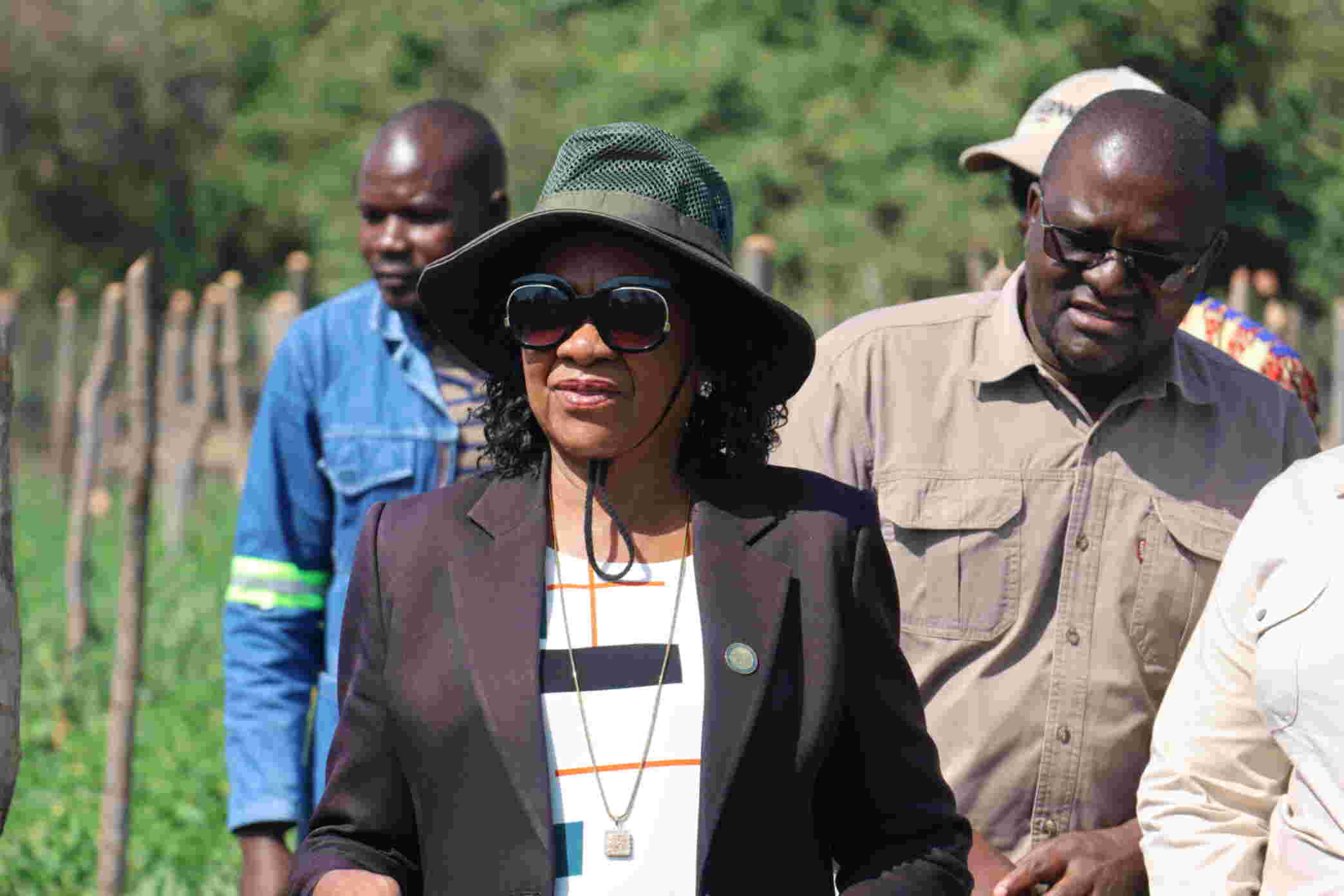
This shows the power of collaboration between Zimparks and IFAW and the Government of Zimbabwe to promote development in our rural areas.
“It is complementing the President’s project of the village business units, so it fits very well in terms of the development of the country the evolution of development activities from the cities to big farms to the villages,” said Ndlovu.
The garden was developed under the “Water is Life” programme and has completely changed how villagers access water and grow crops.
In the past families depend on distant boreholes and carried water in buckets. Today, a solar-powered borehole supplies water to a gravity-fed drip irrigation system, allowing farmers to grow crops more efficiently and with less effort.
About one hectare of the garden is now under tomatoes, with around 8 500 plants being grown for sale to hotels in Victoria Falls a major tourism hub with a strong demand for fresh produce.
Ndlovu said the location of the project is important, as it lies within a key wildlife corridor where people and animals often come into conflict.
“This is the corridor where we can actually introduce chilli around this tomato field to prevent wildlife, especially elephants, from coming to disturb the lives of our people so that they can live in harmony,” she said.
She described the garden as a buffer that allows communities to survive while living alongside wildlife.
IFAW country director, Alleta Nyahuye, said the project deals with a bigger issue the link between poverty and conservation.
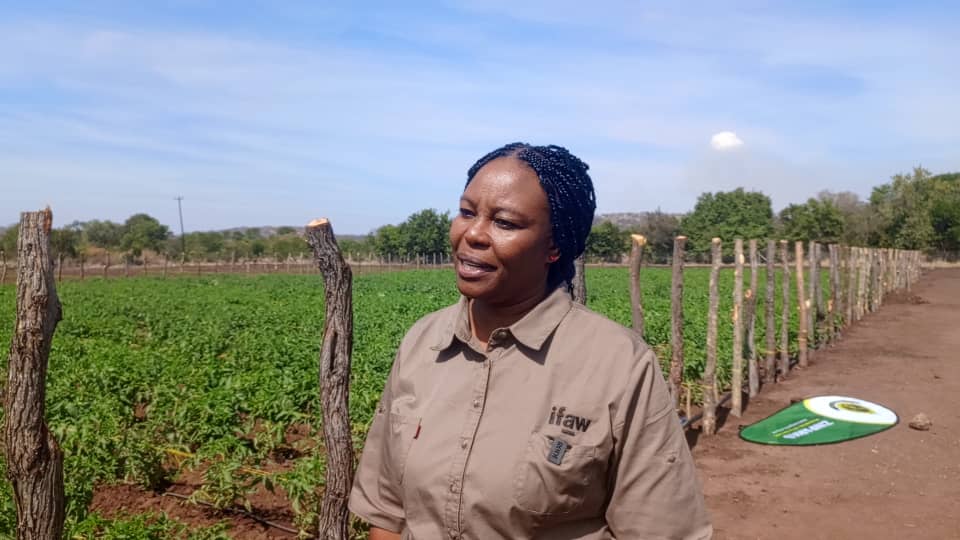
“Matetsi is an ecological connector between Hwange and Chobe National Park in Botswana. But without guaranteeing economic security for communities, there is no conservation to talk about.
“Without food on the table, without basic health care, without education, the environment will be hammered. This is an alternative co-created by the communities themselves.”
She noted that many hotels in Victoria Falls still import vegetables from South Africa, despite the potential for local farmers to supply fresh produce. Zimparks director-general Professor Edson Gandiwa said the agency is committed to supporting communities living near wildlife areas.
“We cannot only focus inside the park whilst we leave those in adjacent areas bearing the burden of living with wildlife.
“This VBU is our contribution to ensure we develop communities whilst we conserve wildlife. As we move forward, we will expand this garden so communities become the first line of defence for our protected areas,” he said.
For the people on the ground, the project has already made a real difference.
One of the beneficiaries, Maria Phiri, said the journey began in very difficult conditions.
“We started as a little group. getting water from a distant borehole using buckets. On 2 February we pegged the garden, on 7 February the borehole was drilled. After waterlogging damaged our potatoes, IFAW intervened seedlings,” she said. with tomato
Today, the VBU has 36 members and benefits 192 people in the community.
Phiri hopes the income from the project will help improve lives by building toilets, paying school fees and reducing harmful activities such as poaching and charcoal production.
For this rural community in Hwange, what started as a simple garden has grown into something much bigger a pathway to more stable and sustainable future