

 admin
admin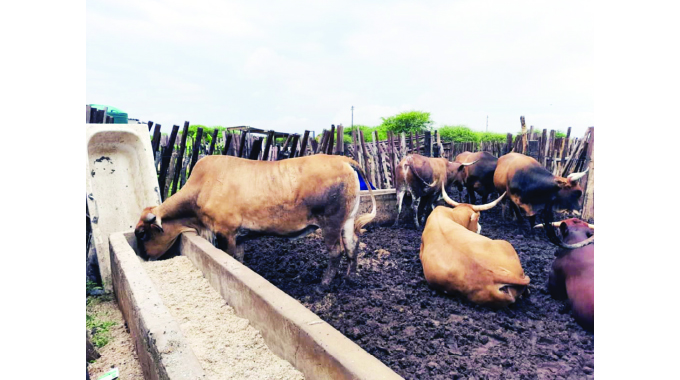
Elita Chikwati recently in BULAWAYO
Zimbabwe has been experiencing drought-related cattle deaths (poverty deaths) over the years with the hardest hit areas being Matabeleland North and Matabeleland South, Masvingo, Midlands, and some parts of Manicaland provinces.
In drought stricken areas, veld is overgrazed and insufficient to carry livestock.
Climate change has reduced pastures hence the need to provide supplementary feeding for livestock.
Insiza, Filabusi in Matabeleland South is one of the areas that had been recording high livestock poverty deaths over the past years.
Farmers had resorted to de-stocking by selling unproductive cattle to raise money to buy supplementary feeds for the remaining herd.
Others were forced to sell at give-away prices so they could at least get something before the livestock succumbed to drought.
Interventions by the Zimbabwe Resilience Building Fund Sizimele project has seen farmers in Insiza being capacitated so they can grow fodder and manufacture nutritious stockfeed for their livestock.
Smallholder livestock farmers in Gwatemba, Insiza Silimula group are now adhering to drought mitigation strategies and are now manufacturing own stockfeed to save the livestock which is their main source of their livelihood.
The farmers also got assistance from the ZRBF, Sizimele project purchased a grinding mill in 2019 which they are using to process the feed.
Farmers paid 30 percent of the cost while the rest was met by the ZRBF.
Under the project, farmers are trained in growing fodder crops, preservation and processing.
The group is now manufacturing stockfeed for their livestock while selling surplus to the members of the community.
Other farmers bring their materials for processing at a fee.
One of the beneficiaries, Mrs Enetty Zizi said they lost cattle to poverty deaths between 2017 and 2020, but the number of cattle succumbing to drought had been reduced as they can now afford to feed the cattle even during dry times.
“We now make our own stockfeed. We also sell the feed to other farmers for US$10 per 50kg bag.
“The ingredients for the feed are maize stocks, chicken droppings, maize, salt and branches of trees that are consumed by livestock. Sometimes we use fodder such as sunhemp, lablab, cowpeas and velvet beans among others.
“These crops are climate smart and can be crushed into nutritionally balanced livestock formulations,” she said.
Silimula chairman, Mr Isaac Ncube said the mitigation strategy of manufacturing own feeds was viable as the farmers use locally available materials to make the stockfeed.
“We used to sell our cattle at low prices because they were underweight. Now that we are feeding them, they are in good condition and fetch high prices on the market,” he said.
The Silimula group is also wring with Government extension staff from Agritex and Department of Veterinary Services who offer advice. The smallholder farmers are equipped with the necessary skills and knowledge about feed production so they make quality products meeting health safety standards consistently.
Insiza Agritex officer for ward 17, Ms Bongani Mbedzi said the area used to record high livestock poverty deaths before farmers started manufacturing stockfeed.
“The initiative has saved cattle. We assist the farmers with the formulations. There has been a good response from other farmers who have been buying the feed,” she said.
The ZRBF operates in districts that receive low rainfall and experience prolonged dry spells. The ZRBF Sizimele programme seeks to contribute to increase capacities of communities to protect development gains and achieve improved well-being outcomes in the face of shocks and stresses enabling them to contribute to economic growth of the country.
According to the Lands, Agriculture, Fisheries, water and Rural Development, the national beef cattle numbers increased from 5 443 770 cattle in 2019 to 5 478 648 during the 2020/21 season.
The average national cattle mortality rate decreased from 12 percent in 2018 to 4.2 percent in 2020 due to improved disease control efforts and improved nutrition.
Government and the private sector have been supporting livestock value chains to reduce poverty deaths and contribute towards the development of a diversified agricultural sector that promotes inclusive green economic growth.



 Online Reporter