Online Reporter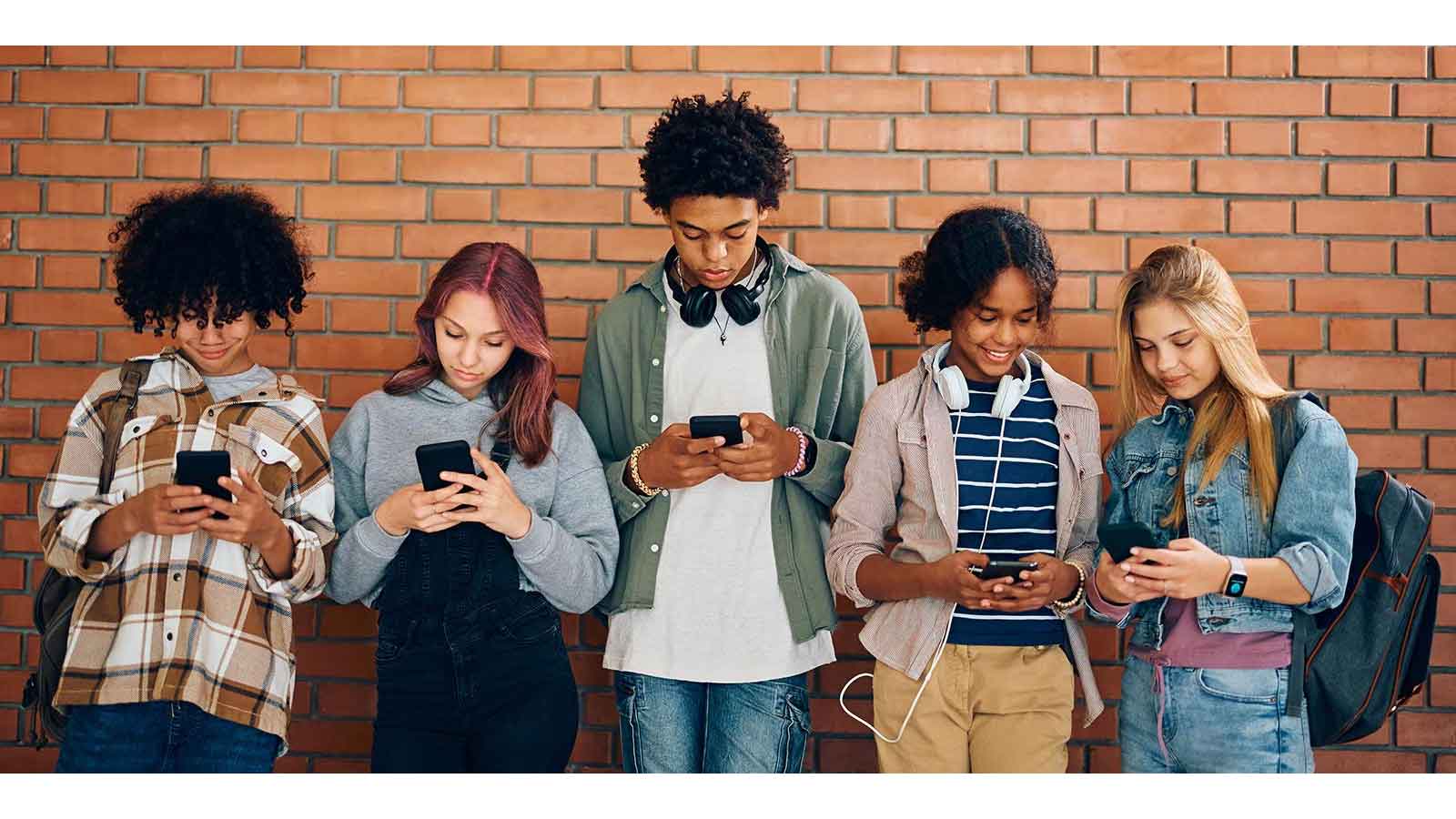
James Tichaendepi-Youth Interactive Correspondent
Every generation faces its own unique challenges or obstacles which shape its identity and test its resilience.
If you speak to older generations, they will tell you about the devastating era of HIV and AIDS.
Others will recall the global disruption caused by the Covid-19 pandemic. Indeed, every generation carries its own story of struggle.
Today’s generation, however, often points to a different kind of challenge: social media addiction, which contributes to distractions, reduced focus, and, in some cases, declining academic performance.
As the world transitioned from the 20th century into the 21st century, technology rapidly evolved and became deeply embedded in everyday life.
Among the most influential developments has been the rise of social media. Platforms such as TikTok, Instagram, Whatsapp, and Facebook have transformed how people communicate, learn, and entertain themselves.
For us, the so-called “Ama 2K” or Gen Z, information is now available at the tap of a screen. Social media has made communication faster and more accessible, allowing students to collaborate, share ideas, and access educational content instantly. In the classroom, this can be a powerful tool.
Learners can watch tutorial videos, join online study groups, and even interact with educators beyond the physical classroom.
Educational pages and creators simplify complex subjects, making learning more engaging and interactive.
In addition, social media has opened doors for creativity and entrepreneurship among young people. Students can build personal brands, showcase talents, and even generate income through content creation.
Schools and teachers can also use these platforms to share announcements, resources, and learning materials efficiently.
In this way, social media supports both formal and informal education.
Conversely, social media remains a double-edged sword. Its negative effects on learners can not be ignored. One of the most significant challenges is distraction.
Students often find themselves scrolling through feeds during study time, reducing concentration and productivity. This can lead to poor academic performance and a lack of discipline.
Furthermore, excessive use of social media can affect mental health. Teenagers may compare themselves to unrealistic lifestyles portrayed online, leading to low self-esteem and dissatisfaction with their God-given status.
Cyberbullying is another serious concern, as students may face harassment like being made stickers and emojis, which resultantly affects their confidence and self-esteem.
In the classroom, social media can also encourage academic dishonesty. Easy access to information may tempt students to copy work instead of developing their own understanding.
Additionally, overreliance on short-form content can reduce attention span, making it harder for learners to engage with longer and more detailed academic material like textbooks and notes.
In a nutshell, social media is neither entirely good nor entirely bad, it is a tool. Like any tool, its effect depends on how it is used. It is also not about social media being bad and addictive but rather a matter of what content we are consuming from social media as teenagers.
Therefore, it is essential for students to develop discipline, balance, and awareness in their use of social media.