Online Reporter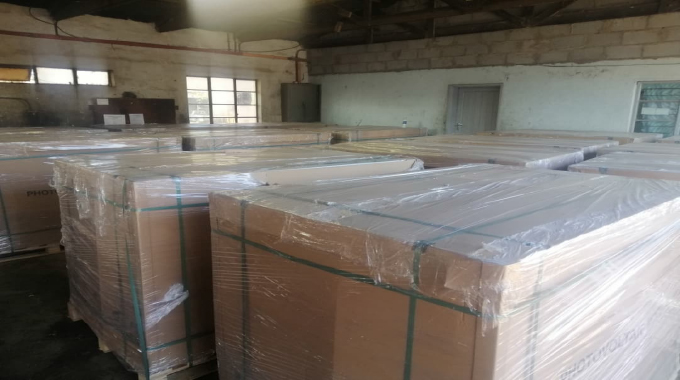
Chronicle Correspondent
For years, families in Matabeleland South ended their day when the sun went down. Cooking was done with firewood, studying was done by candlelight, and security at night depended on paraffin lamps. That is now changing.
The Presidential Rural Solarisation Programme (PRSP) has started delivering solar home system kits to the province, and the impact is already being felt in villages across the seven districts.
The national programme targets 1,2 million households in Zimbabwe. In Matabeleland South, 150 000 households are expected to benefit under the initiative that is being coordinated by the Rural Infrastructure Development Agency (RIDA), working under the Office of the President and Cabinet.
The first phase has allocated 1 400 kits to the province. As of Monday, 13 July, 616 kits had been delivered to RIDA’s Provincial Offices in Gwanda. Forty of those were earlier sent to Bulilima District. Distribution to the rest of the districts will begin once logistics are finalised.
The delivery marks the shift from planning to real action. For thousands of vulnerable rural families, it means the first reliable source of electricity they have ever had.
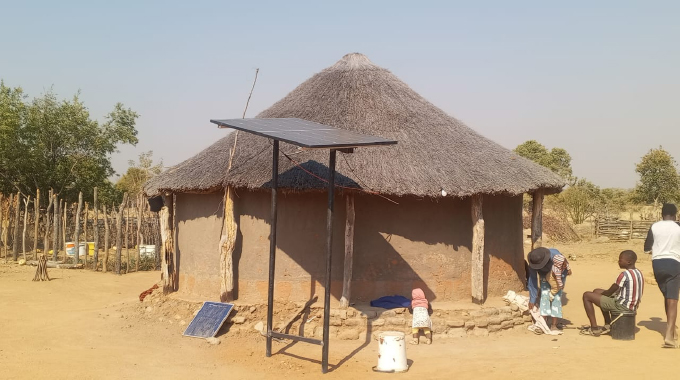
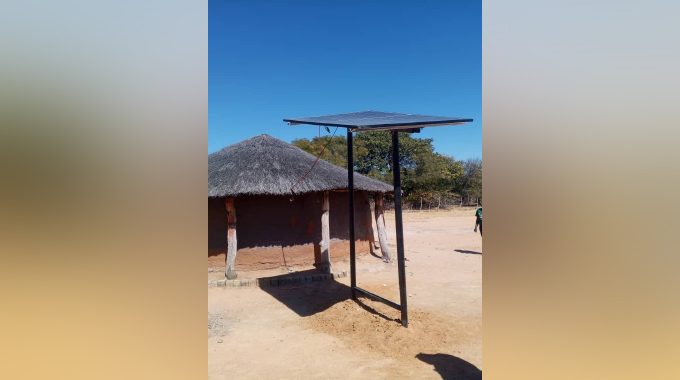
Bulilima became the first district to receive and install systems with 40 solar home systems being set up in the Ntunungwe area, Ward 17 where 17 of the beneficiaries were women-headed households.
The rest came from other vulnerable groups identified through community meetings.
RIDA’s District Coordinator for Bulilima, Mr Donnie Godonga told stakeholders during a Provincial Review Meeting held at the Gwanda Provincial Services Boardroom recently that the rural district council helped by providing fuel, transport and welding materials to build panel stands for homes with thatched roofs.
“The rural district council provided fuel, transport and welding materials to facilitate the erection of solar panel stands for households with thatched roofs,” said Mr Godonga.
For those families, the change was immediate. Children can now study at night without straining their eyes over a candle. Women no longer spend hours collecting firewood. Homes are safer because there is light outside after dark.
All seven districts have finished identifying beneficiaries. Matobo picked 200 households from Maqhina Village in Ward 1. Umzingwane selected 200 from Malilangwe Village in Ward 20. In Gwanda, beneficiaries come from Gwanda North, South and Chitaudze. Beitbridge verified families in Malala Village, Ward 6. Insiza and Mangwe also completed their lists after working with local leaders.
Gwanda District Coordinator Mrs Celestina Godzi said the process was led by communities.
“Priority was given to women-headed households, child-headed families, youths, war veterans, persons with disabilities and other vulnerable people,” she said.
According to the provincial review report, in line with Government policy on inclusive development, all traditional chiefs in the province were also included on the lists.
It said each district submitted 200 names to ensure both vulnerable households and traditional leaders are covered in phase one.
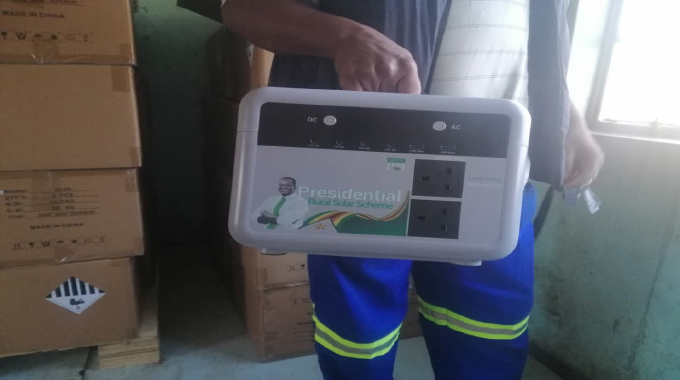
The goal of the PRSP is simple: give vulnerable households access to clean, affordable energy so they can live better and earn more.
The reports say the benefits are already clear where systems have been installed. Children are studying longer in the evenings because solar lights are bright and safe. Teachers in Bulilima report that homework is now being completed on time.
“Household security has improved. With outdoor lights, families feel safer at night and cases of theft have dropped in areas with installed systems. Small businesses are also growing. Some beneficiaries are charging phones for neighbours. Others are using solar power to run radios and small fridges for cold drinks. This creates extra income without the cost of fuel or grid electricity,” says the report.
It is understood that the programme also cuts dependence on firewood and candles and this protects forests around villages and reduces indoor smoke that affects women and children’s health.
With more than 44 percent of the first-phase allocation now in the province, RIDA and local authorities are preparing for wider distribution and installation.
“Stakeholders at the Provincial Review Meeting in Gwanda on 9 June stressed the need for transparent beneficiary lists, strong accountability, and teamwork between Government departments, councils and community leaders,” noted the report.
Once fully rolled out, the Presidential Rural Solarisation Programme is expected to transform Matabeleland South. More homes will have light. More children will pass in school. More families will start small projects. And the province will move closer to sustainable energy.
For communities that once went dark at sunset, solar power is not just electricity. It is safety, education, income, and dignity, and in Matabeleland South, that change has already begun.