Online Reporter
Langalihle Mhiti-Zimpapers Entertainment Hub
A HEATED debate has erupted in Zimbabwe’s entertainment industry as artistes, producers and fans grapple with the growing influence of artificial intelligence (AI) in music and content creation, raising critical questions about authenticity, ownership and the future of human creativity.
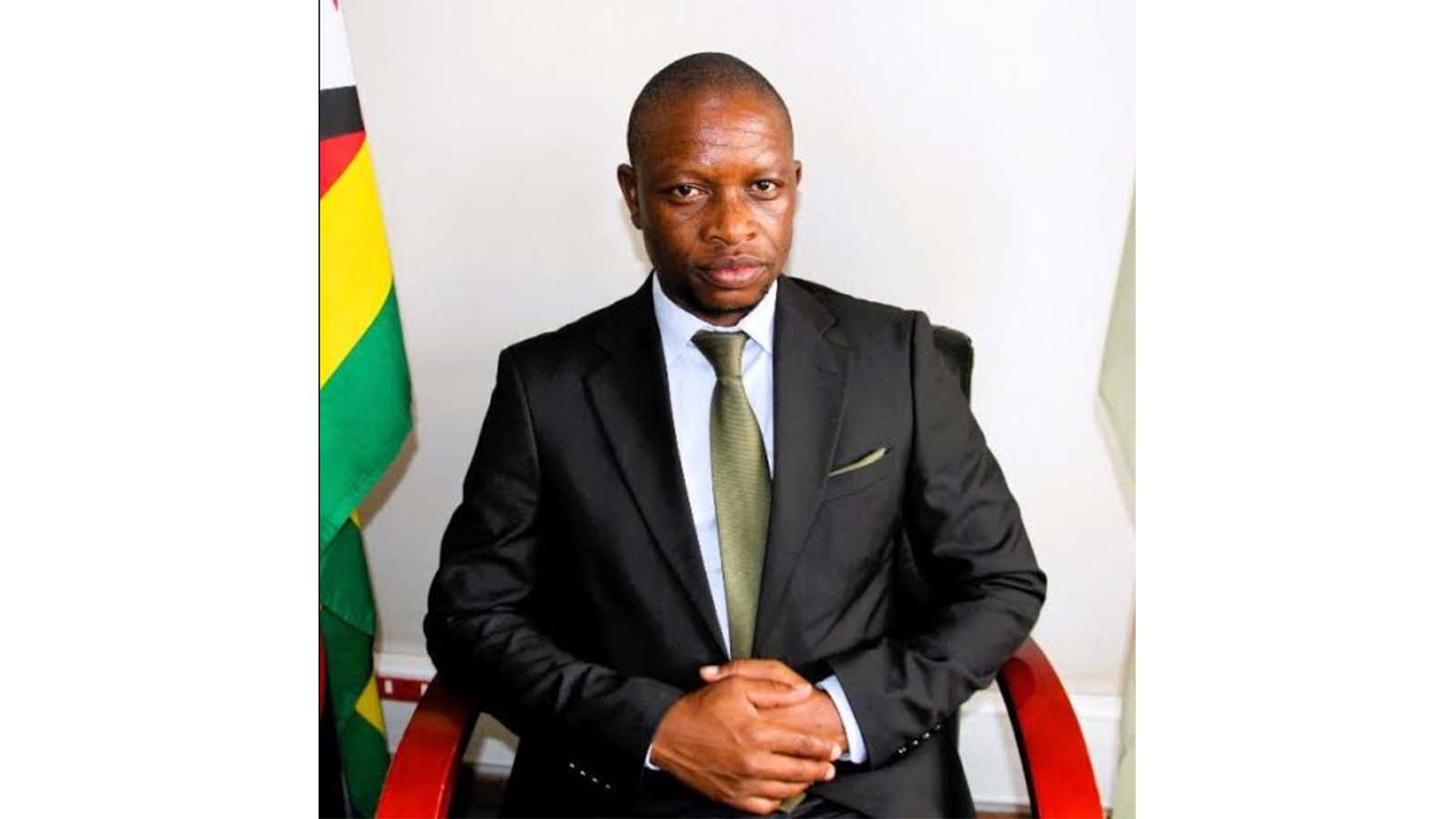
The conversation was sparked by outspoken creative Joshua Mutima, who stirred controversy with bold claims about the identity of some trending music acts dominating social media platforms.
“Are people aware that most of the songs they are using on TikTok trends are AI bots?
Examples like Justin Woodlake. Justin Woodlake is not a human being.
These are AI robots and they are not human beings. Trust me,” said Mutima.
He went further, expressing concern over how easily audiences are embracing AI-generated personas without questioning their origins.
“I’m sad that sometimes we are gullible enough to think that they are human beings. They are not. And they don’t intend to stop any time soon. They’ll keep getting to extremes at the expense of human lives. But yeah, let’s stay guarded and watchful,” he added.
Mutima warned that AI’s impact extends beyond music, threatening livelihoods across multiple creative sectors.
“Today it’s musicians, tomorrow it’s a photographer who’s not able to do shoots anymore because people can just do it with AI. So, it’s very sad. The times that we are in are very scary,” he said.
Ironically, Mutima himself has embraced the technology, recently producing an AI-assisted track titled Zvichaita Chete, a move that has intensified debate about whether artistes are resisting change or adapting to it.
Popular socialite and comedienne Mai Tt also weighed in, highlighting concerns about the future of traditional recording studios while acknowledging AI’s impressive output.
“The studios will be left with no work to do because of AI songs,” she said. “But the songs are very beautiful.”
Her remarks reflect a growing contradiction within the industry while many fear job losses and disruption, they cannot deny the quality and appeal of AI-generated content.
The issue gained even more traction following the success of Winky D’s Fake Love video, which won at the prestigious National Arts Merit Awards (NAMA Awards). The video is widely believed to have incorporated AI-generated elements, marking a significant milestone for the technology in mainstream Zimbabwean entertainment.
The award has since divided opinion among fans and industry observers, with many questioning whether AI-assisted productions should compete on the same level as purely human-created works.
“I love Winky D, but let’s be honest if AI played a big role in that video, should it really be winning awards meant for human creativity?” said one fan on X (formerly Twitter).
Another fan defended the decision, arguing that innovation should be recognised.
“People are just bitter. Winky D is pushing boundaries. Whether it’s AI or not, the final product was fire. Awards should celebrate results, not just process,” the fan posted.
Some fans, however, expressed concern about what this could mean for future competitions.
“If AI videos start winning big awards, what stops big artistes from replacing entire production teams with machines? This could kill jobs in the industry,” said another user.
Others took a more balanced view, suggesting that AI should be seen as a tool rather than a replacement.
“Let’s not act like Winky D didn’t have a vision. AI didn’t wake up and create that video on its own. There’s still human direction behind it,” another fan commented.
Following the NAMA win, Winky D has continued exploring AI-driven visuals, including for his track Drink Up, further cementing the technology’s presence in high-profile productions.
Beyond music videos, AI is increasingly being used across Zimbabwe’s creative landscape. Content creators such as HLGM and Naiza Boom Drama have reportedly integrated AI elements into their productions, with some episodes of Bride of The Waters believed to have been partially AI-generated.
This shift has sparked widespread debate on social media, with fans sharing mixed reactions.
“I won’t lie, the AI songs sound amazing,” said one fan. “If you didn’t tell me it’s AI, I wouldn’t even notice. But at the same time, what happens to real artistes?”
Another echoed concerns about the economic impact.
“This is actually scary. Imagine spending years learning music production or photography, only for AI to replace you overnight. It’s not fair.”
Yet, not all reactions have been negative. Some fans see AI as a natural evolution of technology within the arts.
“Technology has always evolved from vinyl to CDs to streaming. Now it’s AI. Artists just need to adapt and use it to their advantage,” said another user.
Others believe human emotion will remain irreplaceable.
“AI can make a good song, but it can’t feel heartbreak or joy. That’s something only humans can bring. Real music will always stand out,” one fan argued.
Industry observers say the debate mirrors a broader global conversation about AI’s role in creative industries. While some predict widespread disruption, others envision a future where humans and machines collaborate to push artistic boundaries.
For emerging artistes, the rise of AI presents both opportunities and challenges. On one hand, it lowers production costs and provides access to tools that were once out of reach. On the other, it increases competition and raises complex questions about originality and identity.
“There’s no stopping AI,” said another fan. “The question is whether we control it, or it controls us.” As the line between human and machine-generated content continues to blur, Zimbabwe’s entertainment industry finds itself at a critical crossroads.
Artistes, producers and audiences alike must now navigate a rapidly changing landscape where creativity is no longer exclusively human.
Whether AI becomes a powerful ally or a disruptive force remains uncertain. However, one thing is clear the conversation is far from over, and the future of music, both in Zimbabwe and beyond, may never be the same again.