Online Reporter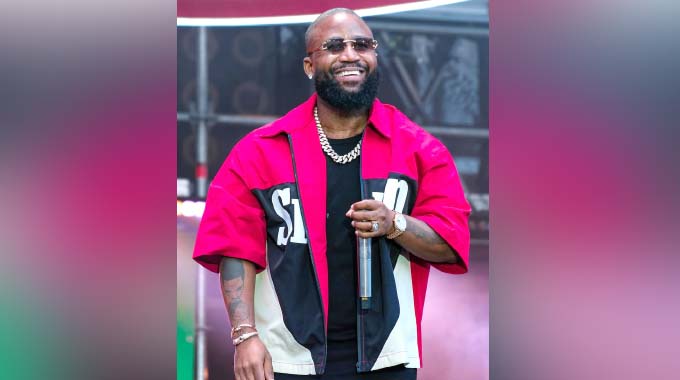
Maria Chiguvari, Zimpapers Entertainment Hub
SOUTH African artistes continue to make waves — and money — in Zimbabwe, but the same cannot be said for local stars performing across the Limpopo. Names that immediately spring to mind include the late Zahara, Mafikizolo, Ringo Madlingozi, Dan Tshanda, DJ Tira, Professor and Cassper Nyovest.
Just a few weeks ago, the ever-popular Scotts Maphuma, Zee Nxumalo, Uncle Waffles, DJ Maphorisa and Nasty C were in the country, thrilling fans in Bulawayo and Harare. Their performances were soon followed by Kabza De Small, Kelvin Momo and Thakzin’s electrifying sets at the recent “Carpe Diem: DJs and Decks” event held in Harare.
But the influx of South African talent doesn’t stop there. DJ Maphorisa, Toss and Prince Kaybee are all set to take the stage in Harare this coming week, while Cassper Nyovest is lined up to perform in Victoria Falls on Africa Day and Kabza De Small is scheduled to perform in Bulawayo on the same day.
While these South African artistes command handsome pay cheques for their local performances, the situation is often quite different for Zimbabwean musicians who cross the Limpopo for gigs. Only a handful of Zimbabwe’s so-called local “Big Five” enjoy consistent success in South Africa, and most artistes struggle to break even when performing there. Many Zimbabwean acts play at venues that don’t always match their stature or quality standards.
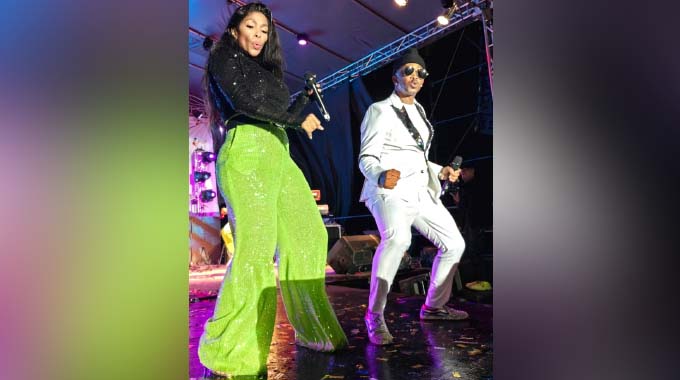
Moreover, their gigs primarily attract Zimbabwean diaspora communities rather than native South African audiences. This imbalance has raised pressing questions about the export value of Zimbabwean music.
Is Zimbabwean music failing to resonate beyond its borders? Are local artistes not producing work that connects with international audiences?
The dominance of South African artistes on Zimbabwe’s music scene is undeniable, and this one-way street has long been a topic of debate, among music lovers and industry insiders.
Promoters and analysts believe it is time for Zimbabwean artistes to rethink their strategies and craft music that transcends borders.
Walter Wanyanya, an artiste manager, music festival co-ordinator and technology entrepreneur, believes developing a unique sound deeply rooted in authentic Zimbabwean culture is the surest way to break internationally.
Wanyanya, who once managed the late Oliver Mtukudzi and is behind the Carpe Diem event, sees traditional genres like Sungura, Chimurenga and Jiti as “low-hanging fruit” for singers looking to reach global audiences.
“Going international can be achieved by leveraging traditional styles like Sungura, Chimurenga, Zimdancehall, Jiti, or mbira music and fusing them with global genres such as Afro-beats, hip-hop, EDM and reggae. By doing so, artistes can create a distinct sound that showcases their cultural heritage while appealing internationally,” he said.
He also emphasised the importance of strategic collaborations.
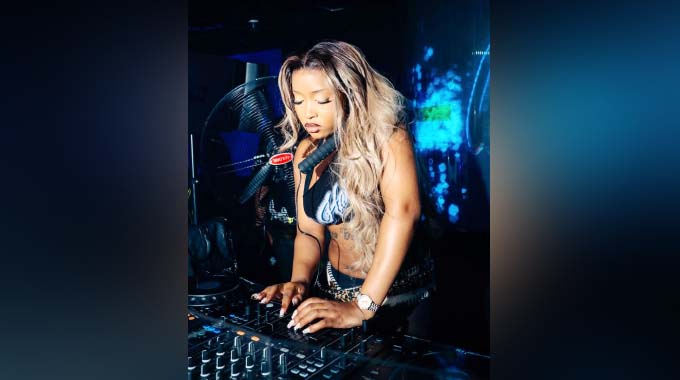
“Working with artistes from countries with strong global music presences, like Nigeria, South Africa, or Ghana, can help Zimbabwean artistes tap into new markets. Collaborating with producers and DJs, who specialise in world music or Afro-infused sounds can also lead to remixes and open doors to fresh audiences.”
Beyond sound, Wanyanya said storytelling is key.
“Sharing personal struggles, dreams and the messages behind their music, helps artistes build connections with international fans.”
He also stressed the power of social media platforms such as Instagram, TikTok, YouTube Shorts and Twitter, for artistes to build their brand and engage audiences.
“Creating challenges, posting behind-the-scenes footage, and sharing music snippets can help artistes go viral and grow a global following,” he said.
On the distribution front, Wanyanya recommended global music platforms.
“Using distributors like DistroKid, TuneCore and CD Baby helps artistes get their music onto Spotify, Apple Music, Amazon and other streaming services. Creating a Spotify for Artistes profiles and pitching music to editorial playlists is vital for increasing visibility.”
Performing digitally is another important avenue for global reach.
“Many local fans discover foreign acts through streaming performances on YouTube Live, Instagram Live, or Twitch,” he noted.
Wanyanya further urged Zimbabwean artistes to network globally by joining international music communities, attending webinars or virtual conferences, and engaging with music forums and groups.
“When collaborating with visiting artistes, see it as an opportunity to build relationships and networks rather than competition,” he said.
Another music promoter, Siyabonga Patrice, who has organised shows in both Zimbabwe and South Africa, shared his perspective.
“I think the challenge lies in the lack of platforms that broadcast Zimbabwean music internationally. There are many great local artistes, but it’s hard for people in other countries to know about them if they don’t see their music on television or hear it on the radio.
“DStv and similar platforms put South African music at an advantage because most people across Africa watch Channel O, Trace and MTV, whose playlists are dominated by Mzansi artistes. It would be a different story if Zimbabwe had comparable platforms, accessible outside the country,” Patrice said.
Revered music promoter Partson “Chipaz” Chimbodza, who has built a name promoting local acts, offered a blunt take on why local artistes often lose out.
“Most artistes fail because of poor management. A manager should know their job. Also, many artistes don’t understand their true value,” he said.
He explained why promoters sometimes prefer foreign acts.
“Locals tend to overcharge, forgetting promoters are business people, not sponsors. Promoters need to make a profit, so if someone is asking for too much, we think outside the box and hire foreign artistes instead.”
Veteran music producer and arts critic Clive Mono Mukundu, shared similar sentiments.
“All Zimbabwean musicians, who have succeeded globally had a distinct Zimbabwean sound. Look back: every Zimbabwean artiste who made it internationally had a unique Zimbabwean flavour, just like Nigerian artistes sound Nigerian and South Africans sound South African.”
Mukundu cautioned against imitating other countries’ sounds.
“There are Zimbabweans, who think sounding like Jamaicans or Nigerians will bring recognition. But the world isn’t looking for another Zimbabwean Beyoncé or Burna Boy.
“They want a Zimbabwean with a distinct, authentic sound. It doesn’t have to be Sungura or Chimurenga specifically, but it must be uniquely Zimbabwean. And, of course, you need strong, aggressive management,” he said.
The steady influx of South African stars into Zimbabwe’s music scene, undeniably brings excitement and fresh energy to local audiences. However, this one-sided dynamic highlights the urgent need for Zimbabwean artistes to elevate their craft, embrace their unique cultural sounds, and adopt strategic approaches to break into international markets.
With authentic music, strong management and effective use of digital platforms and collaborations, Zimbabwean musicians have the potential not only to compete but to thrive on the global stage — ensuring that the flow of talent becomes truly reciprocal in the near future.