Online Reporter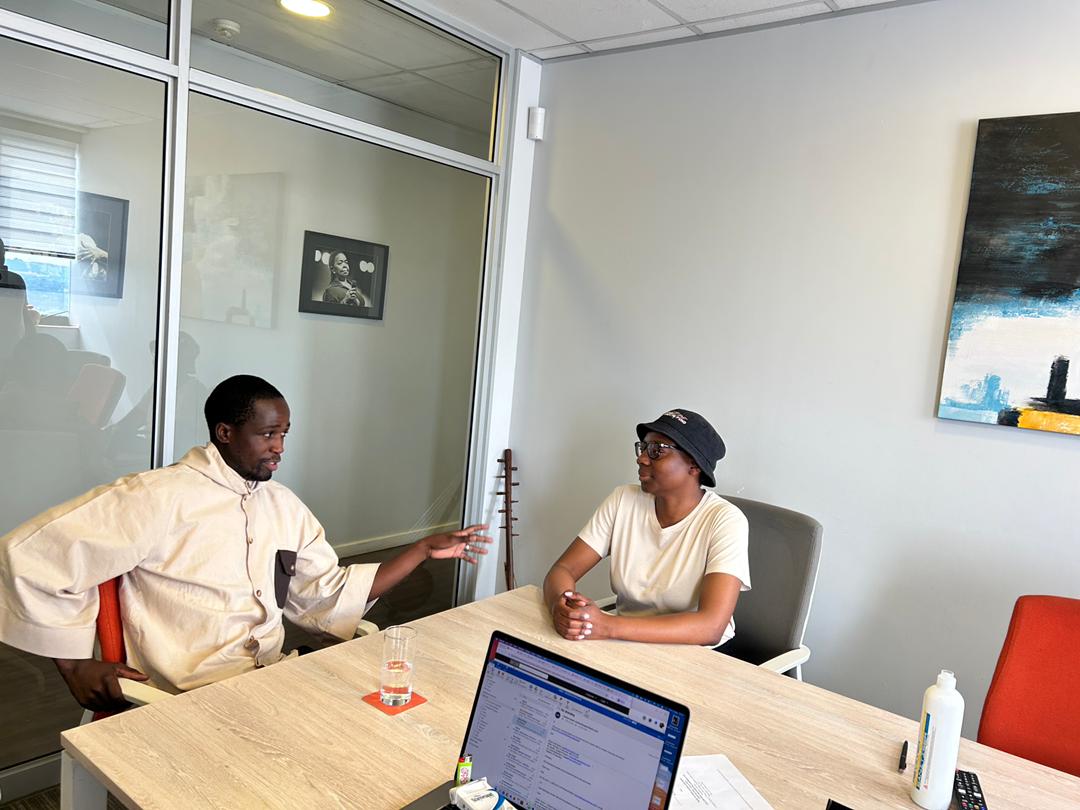
Mbulelo Mpofu recently in Rosebank, South Africa
AMID soaring youth unemployment threatening social stability, a compelling solution is gaining traction across Southern Africa: strategic investment in the creative economy. The blueprint comes from South Africa’s innovative Music In Africa Foundation (MIAF), whose paid internship programme shows how artistic passion can be transformed into tangible economic opportunity – a model Zimbabwe and its neighbours are urged to emulate.
During a visit to MIAF’s bustling Rosebank headquarters, Patricia Yumba Muzinga, the foundation’s French Editor and bilingual communications lead, highlighted the transformative power of their internship programme. A cornerstone of the National Employment Facility for the Creative Industries in South Africa (NEFCISA), this initiative is designed to “create jobs for the common good within South Africa’s creative economy”.

“Beyond passion, we build practical skills. Participants don’t just observe; they actively sustain the digital and operational backbone of Africa’s largest music resource,” Muzinga said, surrounded by the focused energy of young NEFCISA interns.
The sight of numerous young people deeply engaged in training sessions underscored the programme’s impact. Crucially, Muzinga confirmed, these interns receive a monthly wage for a minimum commitment of just seven days per month, providing vital income alongside professional development.
Detailing the interns’ multi-faceted roles, Muzinga said the participants support documentation and art promotion by creating videos, photography, and social media content that amplify African artistes. They moderate MIAF’s vast website, research and write detailed artiste profiles, edit and upload content, fact-check event listings, manage music-industry databases, and craft newsletters, interviews, and online articles.
“They also participate directly in community and music-sector engagement activities, keeping the Foundation connected to its stakeholders,” she said.
Muzinga described the ideal candidates as young, passionate, and often unemployed individuals eager to contribute to Africa’s creative sector. They must have digital literacy, creativity, commitment, and proficiency in English, with French as an added advantage. Preference is given to those studying or working in arts, communication, journalism, marketing, IT, or cultural studies.
The relevance of the MIAF/NEFCISA model for Zimbabwe is urgent. With UNFPA reporting that 62% of Zimbabwe’s population is under 25 and youth unemployment at crisis levels, the creative sector is more than cultural expression – it is a critical economic lifeline and a tool for social cohesion.
The alarming prevalence of drug and substance abuse among Zimbabwean youth, flagged by President Mnangagwa as a top priority, underscores the need for constructive pathways and sustainable livelihoods. Strategic investment in the creative economy channels youthful energy into productive, dignified vocations.
The responsibility now falls on Zimbabwean institutions to adapt and implement this proven approach. The Ministry of Sport, Recreation, Arts and Culture and the National Arts Council of Zimbabwe (NACZ) must spearhead the transformation, supported by committed benefactors:
Financial Support: Establish dedicated funding streams similar to NEFCISA, providing stipends or wages for internships, apprenticeships, and project grants within the creative sector.
Infrastructure Development: Invest in cultural hubs, collaborative workspaces, and digital access points, including affordable high-speed internet, to replicate MIAF’s environment.
Structured Capacity Building: Partner with organisations like MIAF or develop robust local mentorship and internship programmes focused on in-demand skills: digital content creation, arts management, online marketing, cultural entrepreneurship, and intellectual property.
Policy Support: Implement policies that actively support creative entrepreneurs, simplify business registration, strengthen IP protection, encourage cross-border collaboration, and integrate arts education.
Mobilising Benefactors: Engage private corporations, philanthropic foundations, and international development partners by demonstrating social and economic returns on investment – reducing youth idleness, fostering skills, and building a vibrant cultural export economy.
Zimbabwe and its neighbours stand at a pivotal moment. The region’s vast youth population, often viewed as a challenge, is its most potent untapped resource. Witnessing the focused activity and tangible hope among NEFCISA interns in Rosebank, the message is clear: replicating and adapting such models is not merely arts policy – it is an economic and social development strategy.
By providing financial support, infrastructure, and structured opportunities for young Zimbabweans to transform artistic passion into viable professions, the nation can unlock immense economic potential, foster social stability, and build a uniquely vibrant cultural identity. – Follow on X @MbuleloMpofu