Online Reporter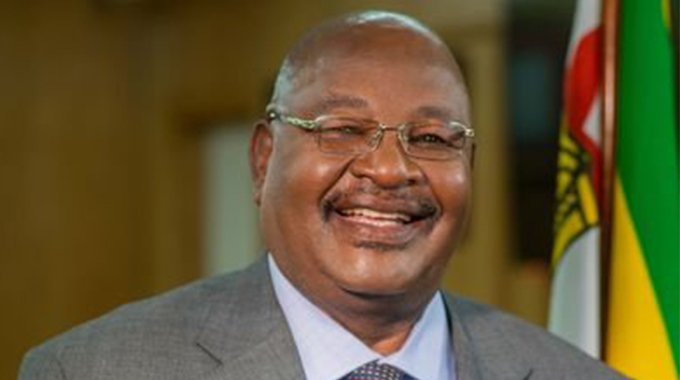
Nduduzo Tshuma in Johannesburg, South Africa
FORMER Liberation Movements from across Southern Africa are set to convene here tomorrow for a three-day summit aimed at formulating a collective response to contemporary political and socio-economic challenges.
As shifting demographics and evolving political dynamics reshape the region, the summit provides a timely platform for strategic reflection, co-ordination, and renewal.
With a strong emphasis on liberation-centred approaches, the gathering will evaluate progress, consolidate shared ideals, and reinforce the role of the movements in safeguarding regional stability and shaping Africa’s governance trajectory.
The former Liberation Movements include the African National Congress (ANC) of South Africa (led by President Cyril Ramaphosa), who are the host and current chair; Zanu-PF of Zimbabwe (led by President Emmerson Mnangagwa); SWAPO of Namibia (led by President Netumbo Nandi-Ndaitwah); MPLA of Angola (led by President João Lourenço); Frelimo of Mozambique (led by President Daniel Chapo); and Chama Cha Mapinduzi of Tanzania (led by President Samia Suluhu Hassan).
Held under the theme: “Defending the Liberation Gains, Advancing Integrated Socio-Economic Development, Strengthening Solidarity for a Better Africa,” the presence of the leaders of the respective movements will lend significant weight to the summit — a departure from previous events where Secretary-Generals represented the organisations.
Secretary-Generals of the respective movements, representatives of party leagues, sister parties from the region and beyond, as well as key institutions such as the Museum of African Liberation, will also participate in the summit.
In an interview in Harare, Zanu-PF Secretary-General Dr Obert Mpofu emphasised the enduring relevance of liberation values.
“Liberation is a continuous process; it is never finalised. It is essential to provide guidance so that we continue to identify areas that need liberating within our people, and also to share notes, challenges, successes, and methods we are using to achieve the common goals we share as liberation movements,” he said.
Dr Mpofu highlighted the importance of the event in instilling the liberation ethos in the younger generation, who are the continent’s future leaders.
“Liberation ethos focus on sacrifice and selflessness, to serve the greater good. This is the guidance of liberation movements. For the younger generation, this is to show them that the way forward for Africa is not through trinkets, but through patriotism and sacrificing for the greater good — not sacrificing the greater good for personal gain,” he said.
As society evolves, Dr Mpofu noted, efforts are being made to ensure that technology is harnessed to uphold and reflect the culture of patriotism rather than undermine it.
“It must be used to reflect patriotism and patriotic fervour,” said Dr Mpofu.
Providing an update to South African national broadcaster SABC ahead of the summit on Tuesday evening, ANC First Deputy Secretary-General Cde Nomvula Mokonyane said the event had been postponed twice to ensure the attendance of the leaders of the movements.
“The last time it took place was in 2002 — not with all the Presidents, but the Secretary-Generals. This one is exceptional. All the Presidents are coming. The one who won’t be attending will be sending her own representative with a recorded message — that is the President of Tanzania. But all the other Presidents are coming,” said Cde Mokonyane.
She added that teams from different political parties are already working on the ground and that reports will be presented at the summit.
“Over the weekend, the exercise will be about receiving reports. There are teams that are now working from the different parties. There have been discussions taking place, we have had various bilateral meetings, and I’m quite certain these issues will be addressed.”
At the conclusion of the summit, the ANC will hand over the chairmanship to another liberation movement, and a plan of action will be adopted, with each organisation assigned specific tasks.
Chief Executive of the Museum of African Liberation, Ambassador Kwame Muzawazi, said the summit is not merely a ceremonial gathering but a strategic platform for continental reflection, intergenerational dialogue, and policy alignment rooted in historical consciousness.
“These summits should allow liberation movements, veterans of liberation struggles, scholars, and youth from across Africa to foster the cross-pollination of experiences and aspirations. You cannot inspire the youth with a future they feel disconnected from,” said Ambassador Muzawazi.
“By grounding today’s development agenda in the legacy of the liberation era, the summit reminds young Africans that they are heirs to a proud tradition of resistance, resilience, and transformation. It also fosters cross-border relationships rooted in shared liberation narratives, which are critical for regional integration — a vital cog in sustainable, shared, and equitable development.”
Ambassador Muzawazi added that such gatherings reaffirm that African unity and cooperation are not theoretical ideals, but imperatives born from the continent’s shared history.
He said the continent’s liberation history is not merely about the past, but serves as a reservoir of identity, dignity, and ideological clarity.
“As such, that history defines our present and helps us chart and forge the future. In a world that is increasingly multi-polar and marked by fierce contestations over economic resources — often shaped by historical narratives, political personalities, and mass dissemination via digital platforms — Africa cannot afford to forget the foundations of its sovereignty.
“Remaining in touch with our liberation memory gives us the moral compass to navigate global complexities. It reminds us that Africa’s place in the world was not given — it was earned through sacrifice, unity, and visionary leadership. Liberation memory connects us to the values of self-determination and Pan-African solidarity, which remain as relevant today as they were during the height of the liberation struggles. At a time when neo-colonial pressures take more subtle forms — from unfair trade structures to disinformation campaigns — this memory is both our shield and our guide.”
Ambassador Muzawazi praised the Government for its visionary role in establishing and advancing the Museum of African Liberation, thereby memorialising key foundational aspects of the nation.
“From the outset, President Mnangagwa and his Government committed to hosting the Pan-African institution — not merely as a national project, but as a continental legacy. Under President Mnangagwa’s leadership, the Government allocated 101 hectares of land for Liberation City, where the museum is located. The Government continues to provide critical institutional, diplomatic, and logistical support,” he said.
“This commitment has gone beyond symbolic gestures. Through partnerships with the Institute of African Knowledge (INSTAK), the Government has ensured that archival materials, oral testimonies, and physical artefacts are being collected, preserved, and curated for posterity. Zimbabwe’s liberation war veterans have been a key pillar of this effort, and their stories are being documented in ways that future generations can learn from — both within Zimbabwe and across Africa.
“In essence, Zimbabwe is not only preserving its own liberation legacy but is also providing a dignified, intellectual, and physical home for the liberation histories of the entire African continent.
“This leadership is what has made the Museum of African Liberation a truly continental project and a shining example of Zimbabwe’s commitment to Pan-African memory, identity, and heritage.”
Ambassador Muzawazi said the Museum of African Liberation stands as one of the continent’s most important strategic cultural and educational institutions.
“Its significance lies not only in the artefacts and archives it houses, but in the stories it tells — stories of courage, resistance, and triumph from all corners of Africa.
“The museum acts as a physical and intellectual bridge across generations, ensuring that the sacrifices of the past are not only remembered but also internalised, preserved, and promoted for posterity,” he said.
“Our mission is global, encompassing the struggles and victories of Africans everywhere, and those who stood by them through their darkest experiences. That’s why we collaborate with liberation movements and governments from Angola to Algeria, from Namibia to Mozambique, and from Cuba to Russia.
“The museum curates not just objects, but narratives — and those narratives help shape national pride, deepen inter-African solidarity, and provide factual historical literacy in an era flooded with misinformation.”
Ambassador Muzawazi added that they are also investing heavily in digital platforms and educational outreach to ensure this history reaches every African, especially the youth.
“Because if we don’t tell our story, someone else will — and history has shown us they rarely tell it truthfully.”