Online Reporter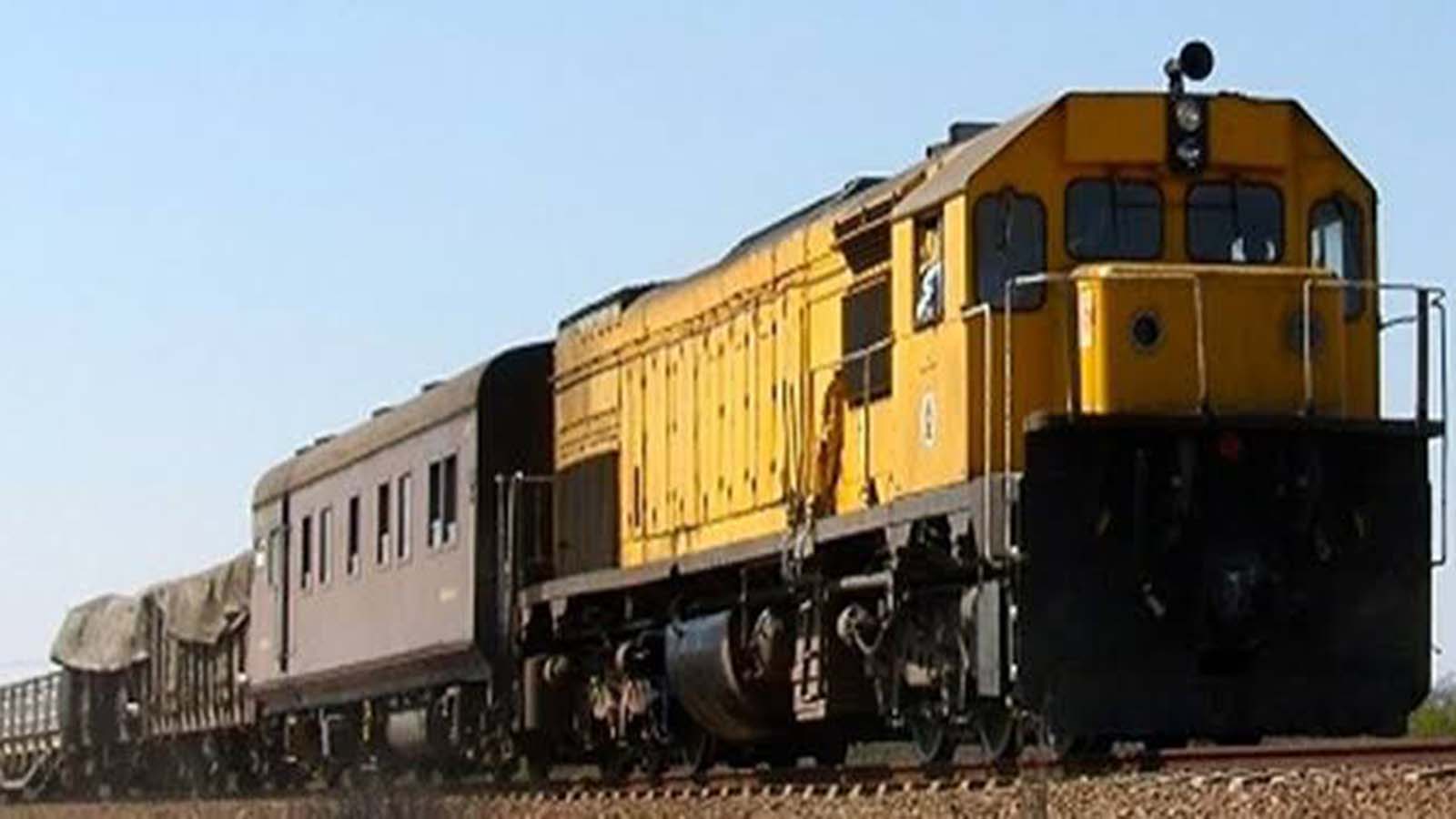
Zvamaida Murwira
Senior Reporter
The Government has extended the National Railways of Zimbabwe (NRZ)’s import rebate on spare parts by an additional two years, a move set to accelerate the parastatal’s rehabilitation and recapitalisation drive as it pursues an ambitious three-phase turnaround strategy targeting US$131,8 million in annual revenue by 2030.
Finance, Economic Development and Investment Promotion Minister Professor Mthuli Ncube recently announced the extension in a Statutory Instrument published in a Government Gazette.
The regulations, made under the Customs and Excise Act and cited as the Customs and Excise (General) (Amendment) Regulations, 2026 (No. 131), push the rebate window to August 4, 2028”.
The extension arrives at a pivotal moment for NRZ, which in May unveiled a three-phase turnaround strategy running from this year to 2030.
Under that plan, presented to Parliament’s Public Accounts Committee by NRZ deputy chief executive officer Mrs Ainah Dube-Kaguru during verification visits to entities under the Mutapa Investment Fund, the parastatal aims to move 12 million tonnes of freight and generate US$131,8 million in annual revenue by the end of the decade.
Spare parts have long been identified as one of NRZ’s major cost drivers, and the renewed rebate directly supports the first phase of that strategy, which runs until year-end and targets 3,01 million tonnes of freight – up from 2,01 million tonnes last year – alongside revenue of US$82 million, nearly double the US$44,41 million recorded previously.
Mrs Dube-Kaguru told Parliament the entity expects to achieve operating profitability through restoring core capacity, refurbishing 540 wagons and locomotives, and servicing plant, while also working to cut fuel costs through a long-term facility with Petrotrade.
NRZ spokesperson Mr Andrew Kunambura welcomed the rebate extension, saying it would ease pressure on procurement costs.
“We gladly welcome this development, which will go a long way in assisting the NRZ to achieve its objectives,” he said.
“It means we will procure spares at much lower prices. Given that they are one of NRZ’s major cost drivers, this is a very good relief for us.”
He explained that while some equipment is produced locally in the entity’s mechanical engineering workshops, the bulk of its requirements come from abroad.
“The majority of spares for locomotives, wagons and related equipment are directly sourced from foreign suppliers while we produce some of our other requirements locally in our mechanical engineering workshops,” Mr Kunambura said.
He added that cheaper spares would translate into lower rates for NRZ’s customers.
“So the rebate implies we will be able to apply lower rates to our customers and increase our annual tonnage because we will be more competitive,” Mr Kunambura said.
“It also means those that export their products will be able to produce and move more by rail, thereby ensuring the country’s products are traded at competitive rates on the global market.”
Phase two of the railway company’s turnaround strategy envisions moving 6,2 million tonnes of cargo, achieving capacity surplus and beginning the purchase of new locomotives and wagons, alongside digitisation of operations.
Mr Kunambura situated the development within Government’s wider economic agenda, saying: “This is the most important role NRZ plays in ensuring that goals set out in National Development Strategy 2 (NDS2) are achieved.
“It is a prudent decision that will keep the economic growth trajectory being pursued by our Government.”
The rebate extension also comes as NRZ works to close out major financing arrangements underpinning its revival.
Mrs Dube-Kaguru told the Public Accounts Committee in May that the entity hoped to finalise a US$115 million loan facility facilitated by the Mutapa Investment Fund within six to eight months to fund infrastructure rehabilitation and new equipment.
Government-to-Government negotiations for a further US$600 million facility with China Railway International Group were also ongoing, alongside a US$6 million loan from Ecobank and US$20 million provided by the MIF as a shareholder.