Harare Bureau
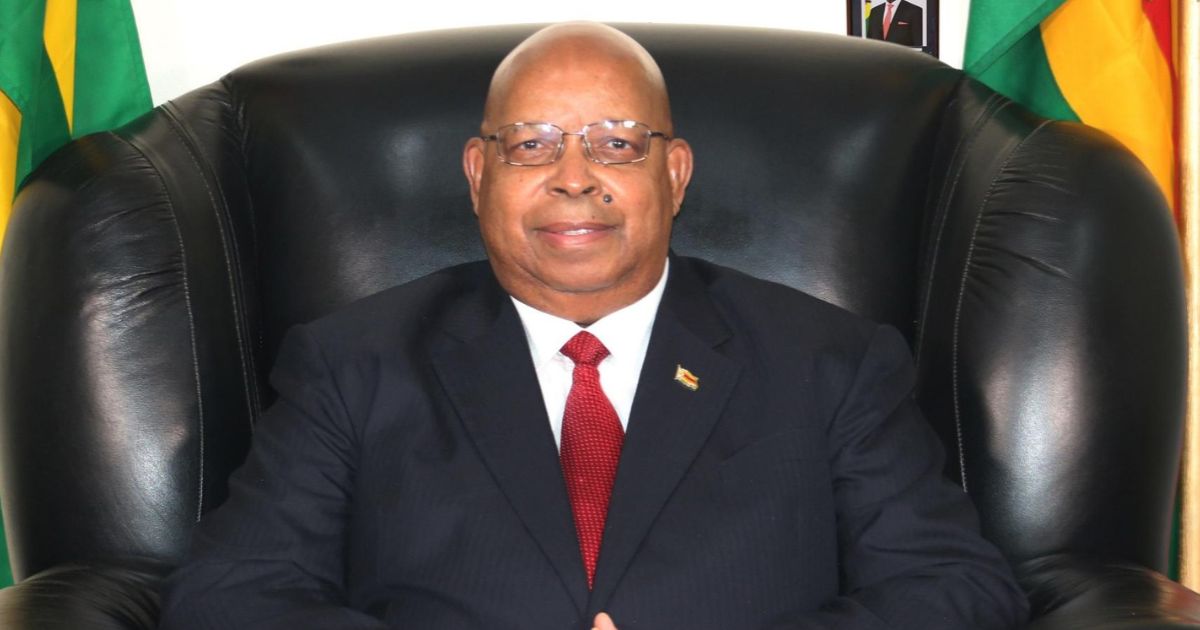
Speaker of Parliament Advocate Jacob Mudenda arrived in the Kingdom of Eswatini on Friday for the 59th Plenary Assembly Session of the SADC Parliamentary Forum, which is running until Friday.
The session is running under the theme “Harnessing Political Leadership, Progressive Culture and Data to Accelerate the Eradication of Child Marriage in the SADC Region”.
According to a statement released by Parliament of Zimbabwe, the theme carries significant symbolism, as it was in Ezulwini in June 2016 that the Forum adopted the SADC Model Law on Eradicating Child Marriage and Protecting Children Already in Marriage. A decade later, the Assembly reconvenes at the same site.
“This invites a sober reckoning on how far a regional legislative benchmark has reshaped national statute books and, more critically, the lived realities of the region’s children facing the phenomenon of child marriages,” read the statement.
“It is trite to note that Speaker Mudenda brings to these deliberations a substantial body of experience in constitutional and legislative reform. Indeed, Zimbabwe’s participation affords an opportunity to bridge the persistent gap between regional policy aspiration and the exacting demands of law-making, parliamentary oversight and the stewardship of children’s welfare rights.”
Zimbabwe’s participation in the Assembly is expected to provide an opportunity to bridge the persistent gap between regional policy aspiration and the exacting demands of law-making, parliamentary oversight and the stewardship of children’s welfare rights.
The country’s Marriages Act [Chapter 5:17] forbids marriage below the age of 18, extends that prohibition to unregistered customary law marriages and bars children from entering civil partnerships.
By requiring the free and full consent of the parties, the Act affirms that neither coercion nor custom may override the safeguards the law affords the child.
“Political leadership must enforce institutional accountability, cultural agency must challenge norms inimical to children’s rights and robust data must expose the places where services remain deficient,” added Parliament.
Tomorrow, a dedicated symposium will interrogate the theme, followed by the scheduled launch of the SADC Dashboard for Monitoring the Model Law on Ending Child Marriage and Protecting Girls Already in Marriage.
The engagements are meant to anchor the Forum’s undertakings in measurable progress and evidence-informed parliamentary scrutiny.
The plenary programme further provides for the election of the Forum’s president and vice president for the 2026–2028 term, the consideration of institutional and financial reports, as well as country presentations on selected SADC Protocols.
On Wednesday, Speaker Mudenda will present the report of the 2026 Annual Conference of Speakers of National and Regional Parliaments of the Pan-African Parliament in his capacity as president of the PAP Bureau of the Conference of Speakers.
He will also present the report on the decisions of the 301st Session of the Inter-
Parliamentary<bha> union </bha>(IPU) Executive Committee held on October 3-4.
“The defining test of the coming decade is whether the Ezulwini commitments transcend the confines of parliamentary chambers, whether the child at risk is reached before marriage and whether the child already affected finds safety and an unbroken path to learning,” added the statement.
“Ultimately, parliamentary leadership will be judged by the extent to which constitutional guarantees and statutory provisions are transformed into enforceable rights in the lives of those they are meant to serve.”