


 Sundaymail Editor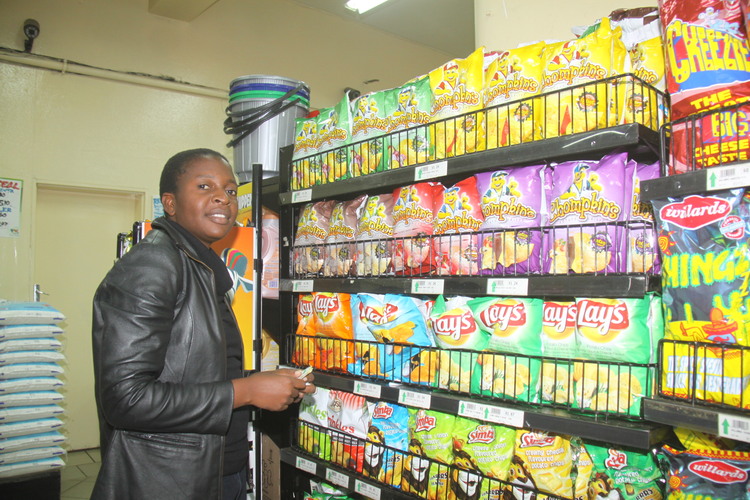
Livingstone Marufu and Africa Moyo
AS the National Competitiveness Commission (NCC) – a successor body to the National Income and Pricing Commission (NIPC) – pushes Government to rein in price hikes, opinion is split on how this can be done without disrupting industry.
The inflation figure for June recently came in at 0,75 percent from 0,27 percent in May, showing the continued rise in the price of goods and services.It is feared that the measure will rise to 2 percent by September.Though Government recently rescinded Statutory Instrument (SI) 20 of 2017, which imposed a 15 percent Value Added Tax on beef, eggs, milk and margarine, among other basic commodities early in the year, retailers have been reluctant to downwardly adjust their prices.
Avoiding price controls
The NCC, which has so far steered clear of advocating for price controls that have historically proved to be ruinous, attributes most of the prices hikes to foreign currency shortages on the open market.
It is believed that importers are presently buying the US dollar on the parallel market at a premium of between 10 percent and 15 percent, which costs are priced-in on margins for local commodities. “It has been observed that Government should try to address these problems in order to push for the reduction of prices in retail shops but as long as foreign exchange payments are still there, retailers will continue to capitalise on that route.”And on SI26A (which repealed SI20), Government should enforce that legal instrument in order to help the consumers from the extortionist behaviour of some retailers who don’t want to reduce listed goods,” said the NCC recently.The NCC noted huge price increases of between 10 percent and 40 percent for maize meal, rice, powdered milk, peanut butter, washing powder, lotions, cooking oil, beef and chicken.The price of a 10kg bag of Red Seal roller meal jumped 18,2 percent to US$6,3 in the first six months of the year from US$5,3 in the comparative period a year ago.A 2kg packet of Gloria self-raising flour increased by 20,7 percent while a kilogramme of blade beef soared by more than 20 percent.
Mariana and Mahatma rice brands spiked 24 percent and 20 percent from US$2,35 to US$2,93 and from US$1,71 to US$2,05, respectively during the period under review.Sachets for both Sunlight and Omo washing powders “recorded huge price increases of around 30 percent between the two periods”.Overall, NCC observed that prices have been increasing since November 2016, coincidentally the same month bond notes were rolled out, a move market watchers say could be a possible indication of arbitrage.Economist Dr Gift Mugano told The Sunday Mail Business that it is hardly surprising that the same retailers who arbitrarily raised prices during the hyperinflationary era are doing the same now.”. . . there is need to strike a balance between enforcing legal instruments like SI26A and the provision of foreign currency as some unscrupulous dealers are waiting for a robust enforcement to empty their shelves and even create a bigger problem,” said Dr Mugaga
However, there is growing concern on why banks continue to find the purchase of goods that are currently not considered to be of priority to the economy.Chairman of the Department of Economics at the University of Zimbabwe Professor Albert Makochekanwa said the banking sector continues to fund the purchase of trinkets at the expense of productive sectors of the economy.”The central bank should move with pace to fund critical sectors of the economy in a bid to curb possible shortages in the market. If the monetary authorities take time to address these issues, retailers will always find justification for their extortionist behaviour.”They should solve the issue of foreign payments and liquidity in order to solve the issue of prices.”Industry and Commerce Minister Dr Mike Bimha said Government continues to engage the monetary authorities to address foreign currency shortages.It has been a difficult task to provide foreign currency for all critical sectors but we are working flat out with the central bank to attend to this problem,” said Dr Bimha.Mr Christopher Mugaga, an economist and current chief executive officer of ZNCC, said last week the increases were unfortunate.”This phenomenon is unfortunate in a dollarised economy because we are already overpriced,” said Mr Mugaga.
“Retailers should not hike prices when they have challenges of importing raw materials; instead, they should engage Government and get assisted to import the products they need.”World Bank Zimbabwe senior economist Mr Johannes Hederschee said the inflation rate needs to stabilise at current levels.
“At the moment, there is a concern that you have rising inflation, (but) if it stabilises at this level, it won’t be a problem,” said Mr Hederschee.


 Online Reporter