admin
admin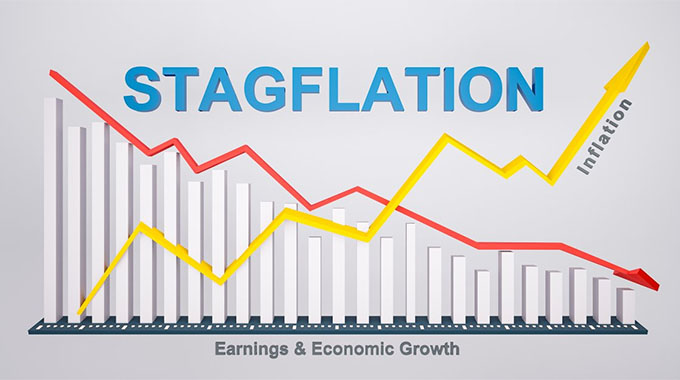
The world economy is increasingly succumbing to the threat of stagflation reminiscent of its 1970s ordeal, a mounting headache for global finance chiefs already navigating the fallout from the war in Ukraine.
With China’s economy slowing sharply, and the Federal Reserve’s stepped-up vow to crush inflation raising worries of a widespread hard landing, warnings of the consequent dangers are intensifying. Group of Seven finance ministers and central bankers, who meet today in Germany, are now indicating outright concern that stagflation can no longer be swerved.
“The war in Ukraine has had additional implications for the economy,” German Finance Minister Christian Lindner, the host of the gathering, told reporters on Thursday as talks began near Bonn.
“That means a boost in inflation, coupled with a loss of post-pandemic recovery momentum.
That’s why we’ll have to discuss what we can do to avoid stagflation scenarios.”
That followed comments on Wednesday by his US counterpart, Treasury Secretary Janet Yellen that “higher food and energy prices are having stagflationary effects, namely depressing output and spending and raising inflation all around the world.”
The noxious triple combination of surging inflation, stalling growth and rising unemployment is the worse-case scenario for central bankers and lawmakers, who will have to choose which ailment to fight. Having spent 2021 betting inflation would fade, policy makers are now indicating that prices are their primary concern even if that battle curbs demand and hiring.
While the prospects for a global recession remain low, this year at least, the pace of events is catching policy makers and investors off guard as financial markets slump and growth forecasts continue to be revised lower.
The past week laid bare the scale of the slowdown as China’s data for April showed consumer and business activity hit a wall amid the government’s aggressive covid-zero policy.
Japan, the world’s No.3 economy, shrank in the first quarter as soaring import costs inflated by a weaker yen weighed on trade and virus restrictions hit consumers.
In the US, Fed Chairman Jerome Powell said he would keep raising rates until there is “clear and convincing” evidence that inflation is in retreat. Meanwhile UK price growth hit a 40-year high, and Bank of England Governor Andrew Bailey warned a surge in food costs could have “apocalyptic” consequences globally.
Earnings reports from retail giants Walmart Inc. and Target Corp. meanwhile showed a slowdown in spending on general merchandise items, another sign of cooling global consumption. – Bloomberg



 Online Reporter