


 Chronicle Editor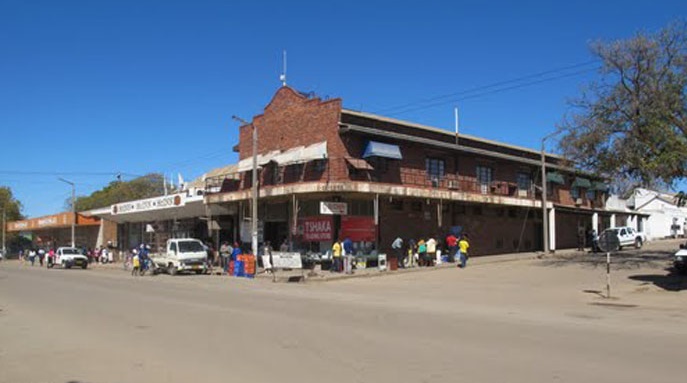
Sukulwenkosi Dube-Matutu, Matabeleland South Bureau Chief
VARIOUS stakeholders from Gwanda District came together in 2018 and formed the Gwanda Local Peace Committee (GLPC) in a bid to fight violence which was rampant at Vhovha Mine where there was a lot of bloodshed as a result of wrangles over undesignated mine shafts.
The peace committee working with the police implemented various strategies which helped to curtail the violence. The peace ambassadors did not stop there as they went on to tackle other conflict issues which have been threatening peace and tranquility in the mining town. After five years of being in existence, the GLPC is recognised as one of the key peace structures in Gwanda as it has helped to address conflict issues that had persisted for years.
The GLPC is a church led initiative which was formed under the guidance of the Zimbabwe Christian Alliance (ZCA). The major function of the committee is to promote peace and non-violence in the Gwanda community through non-violent interventions and community centred approaches. During the Covid-19 period, the GLPC mobilised resources to assist vulnerable people that were affected during the lockdown under the “Feed Gwanda Project”.

The committee engaged the business community, church leaders, local authorities, farmers, community leaders, civil society organisations, faith based organisations and service providers among other stakeholders and mobilised grocery items and clothing for the vulnerable.
GLPC chairperson, Mr Davis Mwera said the target of the committee is to see a violence free Gwanda. He said conflicts will always be there but people have to use non-violent mechanisms to resolve them.
“The Gwanda Local Peace Committee was formed in 2018. Its establishment was as a result of violence which was recorded at Vhovha Mine. We intervened at Vhovha Mine and even established a peace committee there to work hand in hand with the police.
“We then moved around Gwanda Town and raised awareness of our existence. We intervened in the Spitzkop North area where residents were complaining of high crime. People were being robbed, assaulted, raped and attacked almost on a daily basis by rowdy gangs. It was no longer safe to move in a secluded area during daytime,” he said.

Mr Mwera said the residents also complained of poor lighting in the area. He said the peace committee engaged the Gwanda Municipality and the issue of poor lighting was addressed. The peace committee also formed a Ward 5 peace committee in the Spitzkop North area. Mr Mwera said the peace committee also engaged the municipality and requested for land to build a police base in Spitzkop North.
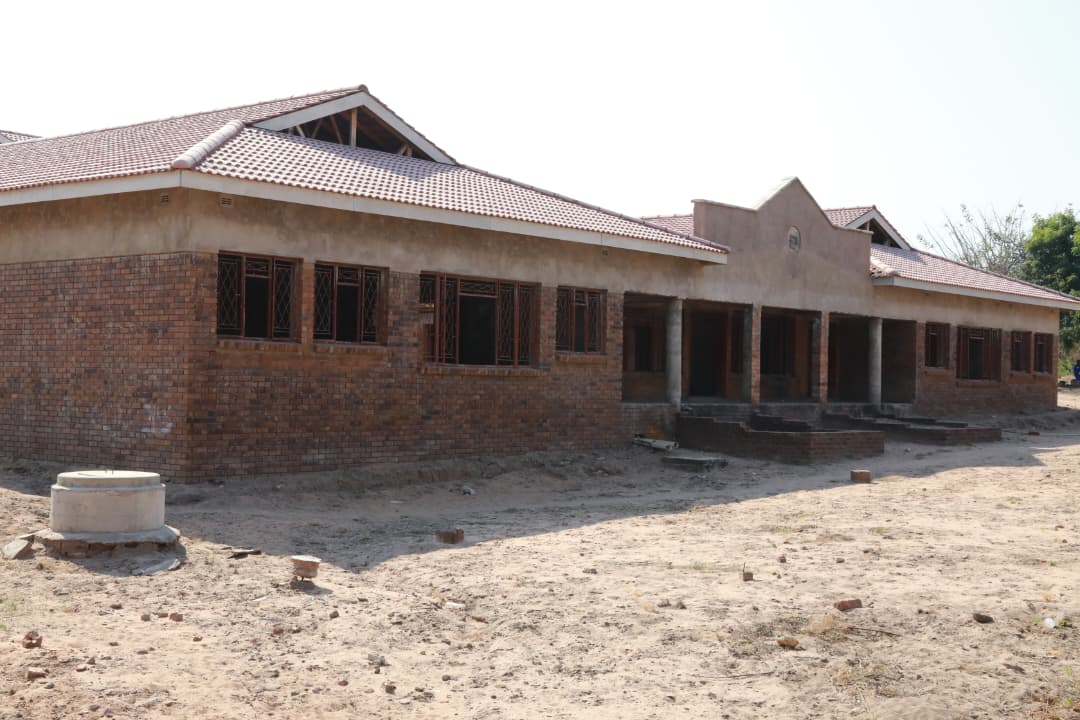
The police base which was opened during the course of the week was built as a result of corroborated effort from the community, business community and police. Mr Mwera said the peace committee in Ward 5 has helped to reduce crime in the area.
“We first started by facilitating the establishment of a temporary base in Ward 5. At first the police officers were operating from a tent and then they moved to a temporary structure and now a police base has been established. The presence of this police base will go a long way in fighting crime and reducing cases of violence. The police base is located at Redcross Business Centre which is where a lot of criminal activities were taking place,” he said.
Mr Mwera said the GLPC also intervened in Jahunda old location area in Ward 4 where residents were disgruntled as some houses did not have toilets and water.
He said they engaged the Gwanda Municipality over the matter. The residents were given the go ahead to buy their own taps and municipality engineers did the fitting.
Mr Mwera said it is their desire to have a peace committee established in all wards in the district, including the rural areas.
GLPC pastoral peace ambassador Pastor Phathisiwe Dube said while the peace committee was established with the aim of intervening at Vhovha Mine, it has gone on to have a significant impact in the community.
Pastor Dube said conflicts are a daily phenomenon but it is important for communities to be empowered on how best to resolve their disputes.
“The peace committees that we have formed at ward level are doing a lot in terms of dealing with day to day conflicts at ward level. Some of the tensions are between neighbours. In our work, we also focus on influencing the approach which residents have when they are dealing with service providers. Instead of approaching service providers with an attitude and spirit of fighting, there is a need for residents to have a civil approach.
“It’s also important for service providers to listen to their clients and not dismiss their grievances. Service providers have to give quality service to their clients and when there are challenges they have to communicate to the people,” he said.
Ms Samantha Manyeka who is a member of the GLPC said upon its inception, members of the peace committee received training through the Zimbabwe Christian Alliance. She said they have also undergone regular training sessions over the past five years.
Ms Manyeka said the training has helped to equip the peace committee members as they do their work around the community. She said she has learnt a lot about conflict resolution since she joined the peace committee.
“When the call for people to join the peace committee was announced, I decided to join although I had little experience in conflict resolution. I just knew the basics which could help resolve conflicts among friends. The knowledge I have gained has empowered me to be able to deal with conflicts at community level.
“I might be young but I can now engage even the elderly people within the community and address a problem. Conflict resolution techniques are important because we come across conflicts on a daily basis at our personal capacities. As a trained peace ambassador, I also know when I can intervene and when I shouldn’t because some interventions can put me at risk as a peace ambassador or even escalate the problem,” she said.
@DubeMatutu


 Online Reporter