Online Reporter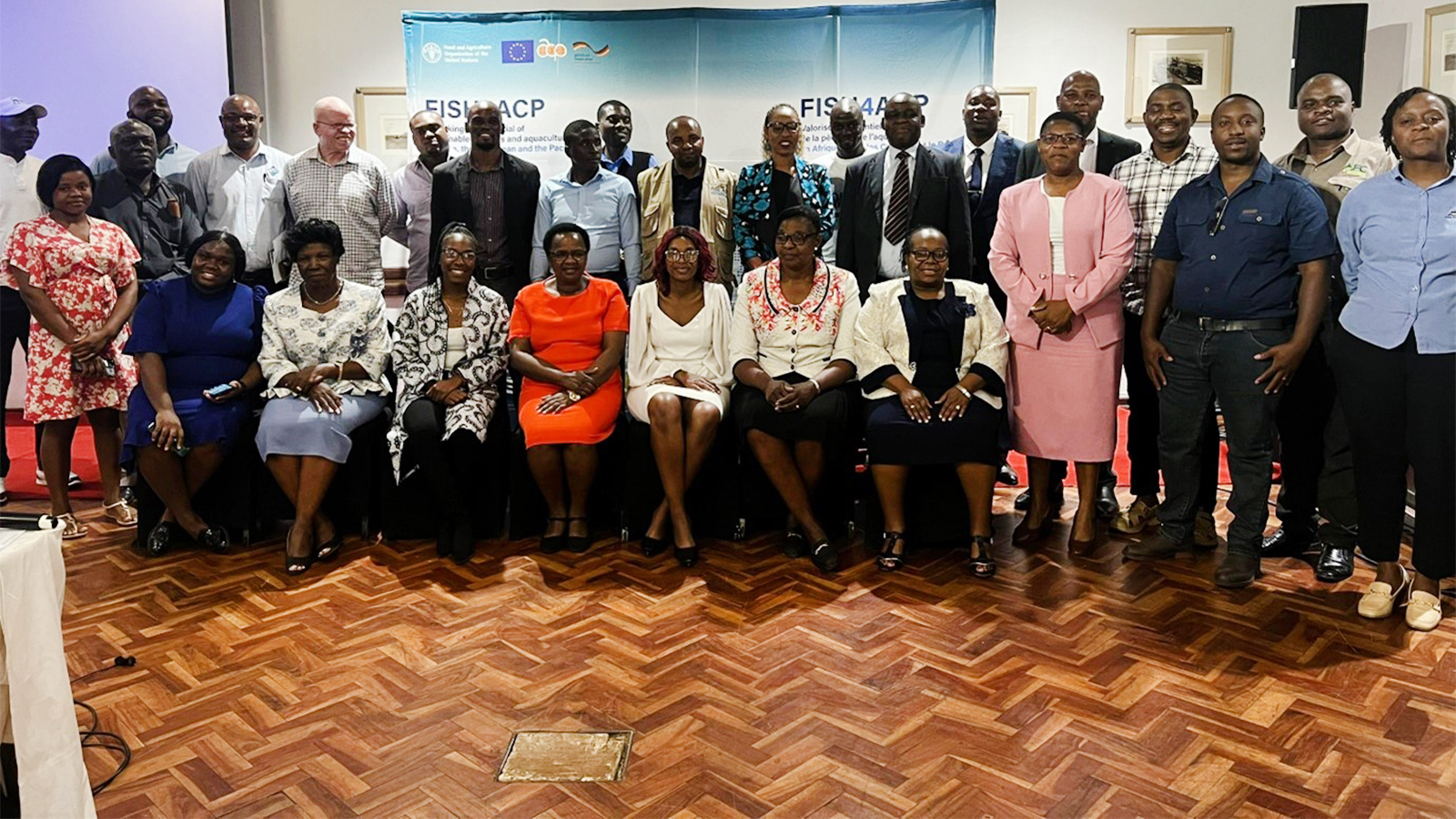
Edgar Vhera
Herald Reporter
STAKEHOLDERS in fisheries and aquaculture met for the FISH 4 African, Caribbean and Pacific States (Fish4ACP) market strategy brainstorming and development session to advance the country’s US$1 billion industry target by 2030.
The meeting was hosted by the Agricultural Marketing Authority (AMA) and the Food and Agriculture Organisation (FAO) in Harare recently.
The meeting ran under the theme: “Unlocking market access and value for small-scale fish farmers in Zimbabwe.”
FISH4ACP is a FAO initiative to improve the tilapia aquaculture value chain to enhance food security, economic growth and job creation, with a focus on empowering small-scale farmers, especially women and youth.
Lands, Agriculture, Fisheries, Water and Rural Development Permanent Secretary, Professor Obert Jiri, represented by acting chief director, Mr Leonard Munamati, said the Fish4ACP programme sought to boost productivity and competitiveness in fisheries and
aquaculture value chains across 12 member states.
“Zimbabwe is a beneficiary of this transformative initiative. It aligns perfectly with the Presidential Fisheries Scheme, the broader Rural Transformation Programme and our national aspiration of becoming an upper middle-income economy by 2030 as guided by
President Mnangagwa’s ethos of ‘leaving no one behind,” he said.
Zimbabwe holds immense potential for fisheries and aquaculture development, with more than 10 700 dams and has developed the National Blue Economy Strategy in 2024.
“Zimbabwe is now recognised as one of the leading aquaculture producers in Southern Africa. The country recorded over 31 000 tonnes in aquaculture production in 2024. However, our ambition is to double this to at least 60 000 tonnes annually.
“The ministry expects a clear, practical and inclusive market strategy, a blueprint that accounts for small-scale producers and facilitates their integration into a thriving, sustainable aquaculture value chain.
“Together, let us build a resilient and inclusive fisheries sector, one that promotes economic growth, ensures food security, supports employment and upholds the principles of sustainability and equity,” Prof Jiri said.
AMA acting chief executive, Mr Jonathan Mukuruba said fisheries and aquaculture played a vital role in ensuring food and nutrition security.
“From smallholder farmers who rely on fish for income, to households for whom fish is a critical source of affordable protein, this sector directly supports both health and economic well-being.
“Tilapia alone makes up over 95 percent of production, but challenges such as fragmented value chains, post-harvest losses, weak cold-chain systems and limited market access remain. This underscores the importance of today’s meeting,” he said.
Mr Mukuruba said the strategy to be produced within six months will be a roadmap for enhancing market access for smallholder fish farmers, strengthening supply chain efficiency, unlocking opportunities for value addition and ensuring sustainable growth of
aquaculture aligned with Zimbabwe’s national development goals and Vision 2030.
FAO Fish4ACP project coordinator, Mr Paul Mwera said the country had more than 4 000 fish farmers.
“Five years ago, the country had one large producer accounting for 98 percent of production valued at US$13 million, but the complexion has changed with many small-scale farmers now part of the industry.
“This was a result of the intervention of the Fisheries and Aquaculture Department, which allowed farmers to get access to quality fingerlings,” he said.
Mr Mwera said FAO had instituted a cold-chain pilot programme in Manicaland, where five tonnes of fish are processed per day.
“The project is increasing the value of fish, employment and nutrition to open up markets for fish in the country,” he said.
Sharing her testimonial, Unlimited Hope Alliance director and founder, Mrs Mary Chigumira, said Pamodzi Fisheries (a group of women between 15 and 35 years) managed to get US$800 from the first tilapia fish harvest.
“From our 15 times 20 metre fish pond, where 5 000 fingerlings were introduced, we harvested 200 kilogrammes of fish on April 22 this year.
“We plan to increase the fish area 1,5 hectares if we overcome the challenges of transport, funding and refrigeration,” she said.