


 Online Reporter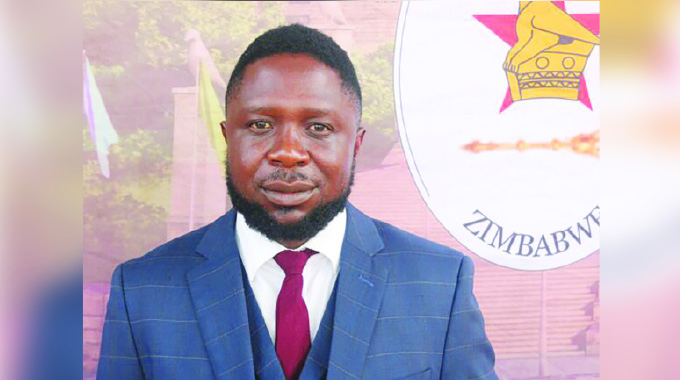
Andile Tshuma, Zimpapers Reporter
STAKEHOLDERS in Bulawayo have urged the Government to strike a balance between the interests of workers and the continuity of public service, as Parliament conducts consultations on the Public Service Amendment Bill and the Occupational Health and Safety Amendment Bill.
The appeal was made during hearings held at a Bulawayo hotel on Wednesday, where participants emphasised that the law must deliver “win-win” outcomes for both the Government and citizens.
Workers’ representatives raised concerns regarding collective bargaining, job actions, the classification of essential services, working conditions, unfair labour practices, maternity leave and grievance procedures.
Educators’ union leader, Mr Hloniphani Lusinga, said the proposed legislation gives excessive power to the minister to designate essential services, thereby stripping workers of the right to strike.
“Clause 22 on collective job actions is too vague. It must clearly outline procedures for a strike, as Section 104 of the Labour Act does. The power to unilaterally designate essential services by the minister should also be subject to challenge,” Mr Lusinga said.
Mr Godknows Dube of the Amalgamated Rural Teachers’ union called for a stronger framework for collective bargaining.
“The law must establish a public sector bargaining council, with sector-specific councils such as education, health and others, where all parties are equally represented,” he said.
Other participants advocated for better protection of women workers, including maternity leave in addition to the current 98-day maternity leave, paternity leave for fathers, and enforceable nursing breaks in the workplace.
“Not all supervisors respect the nursing break. It must be clearly stated in the law to protect women from abuse,” said education sector representative, Monalisa Dube.
Some workers also called for the repeal of Section 20 of the Public Service Act, which empowers the Government to set conditions of service without collective bargaining, arguing that it contradicts the Constitution.
On the Occupational Health and Safety Amendment Bill, engineers and safety experts urged lawmakers to adopt a preventive rather than reactive approach.
“The major objective of the law should be workplace accident prevention. At present, it focuses too much on what happens after an incident. We need greater emphasis on prevention and inspection of workspaces,” said Engineer William Goriwondo, president of the Zimbabwe Institute of Engineers.
Safety officer Musawenkosi Zondo called for stronger accountability mechanisms for employers.
“The Bill places responsibilities on employees, but it should also clearly define the duties of employers, holding senior management accountable for workplace safety,” Zondo said.
Stakeholders also stressed the importance of harmonising the new laws with international labour conventions and ensuring they do not contradict existing statutes.
The Occupational Safety and Health Bill seeks to establish a national framework by creating an Occupational Safety and Health Advisory Council and Department, while repealing outdated laws such as the Pneumoconiosis Act and the Factories and Works Act.
Portfolio Committee Chairperson on Public Service, Labour and Social Welfare, Dexter Malinganiso, said Bulawayo recorded the highest turnout of participants so far.
“The key agenda is rights, especially maternity and paternity leave. On occupational health, Bulawayo has provided the most detailed input, with calls for more preventive frameworks. We are encouraged by the level of participation,” he said.
The hearings are part of nationwide consultations as Parliament gathers views to refine the two amendment bills before further debate.


