Blessings Chidakwa
Senior Reporter
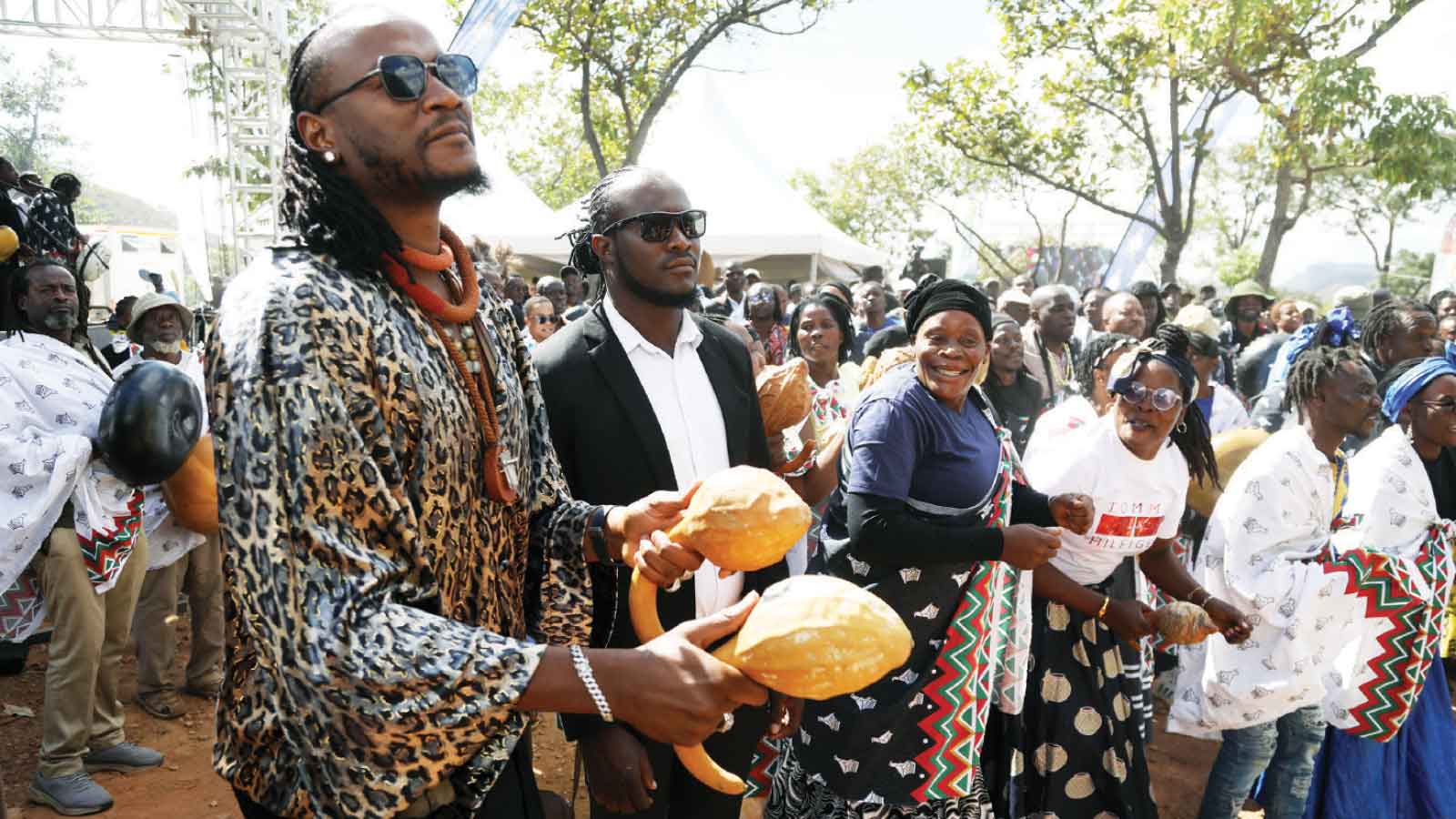
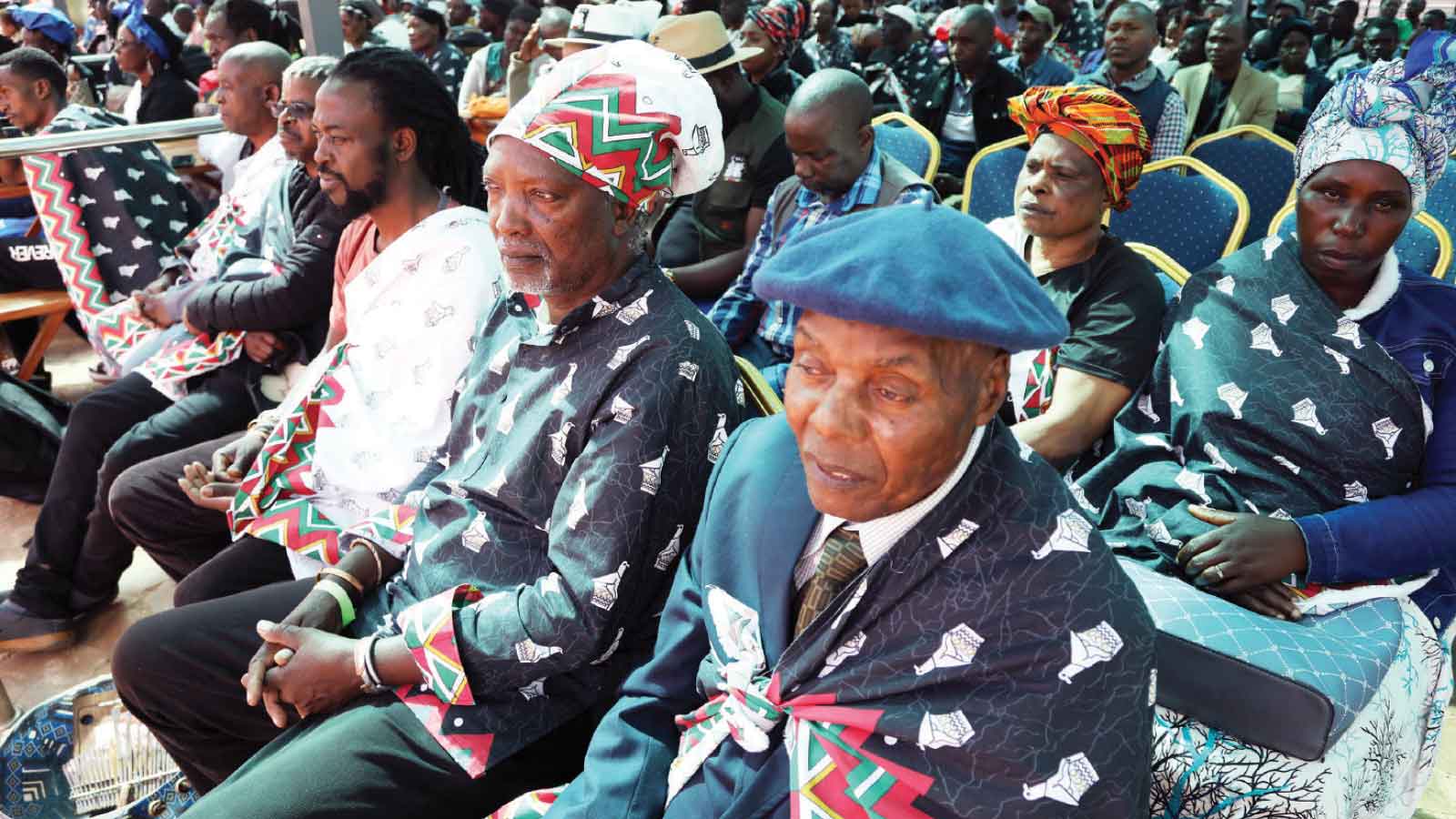
Zimbabwe’s cultural landscape was set alight as the Baradzanwa Mbira Festival roared to life, delivering a vibrant celebration of sound, heritage and identity during Culture Month celebrations.
Held as a unifying platform for diverse traditions, the star-studded festival brought together some of the country’s most celebrated mbira voices and cultural custodians. Among the headline performers was popular musician Jah Prayzah, who joined traditional ensembles and gwenyambiras in showcasing the evolving soundscape of the mbira.
From the opening moments, the fully packed venue was immersed in a timeless traditional cadence, with mbira sensation Hope Masike leading the national anthem in a powerful rendition underscored by layered mbira instrumentation, setting a deeply cultural tone for the day.
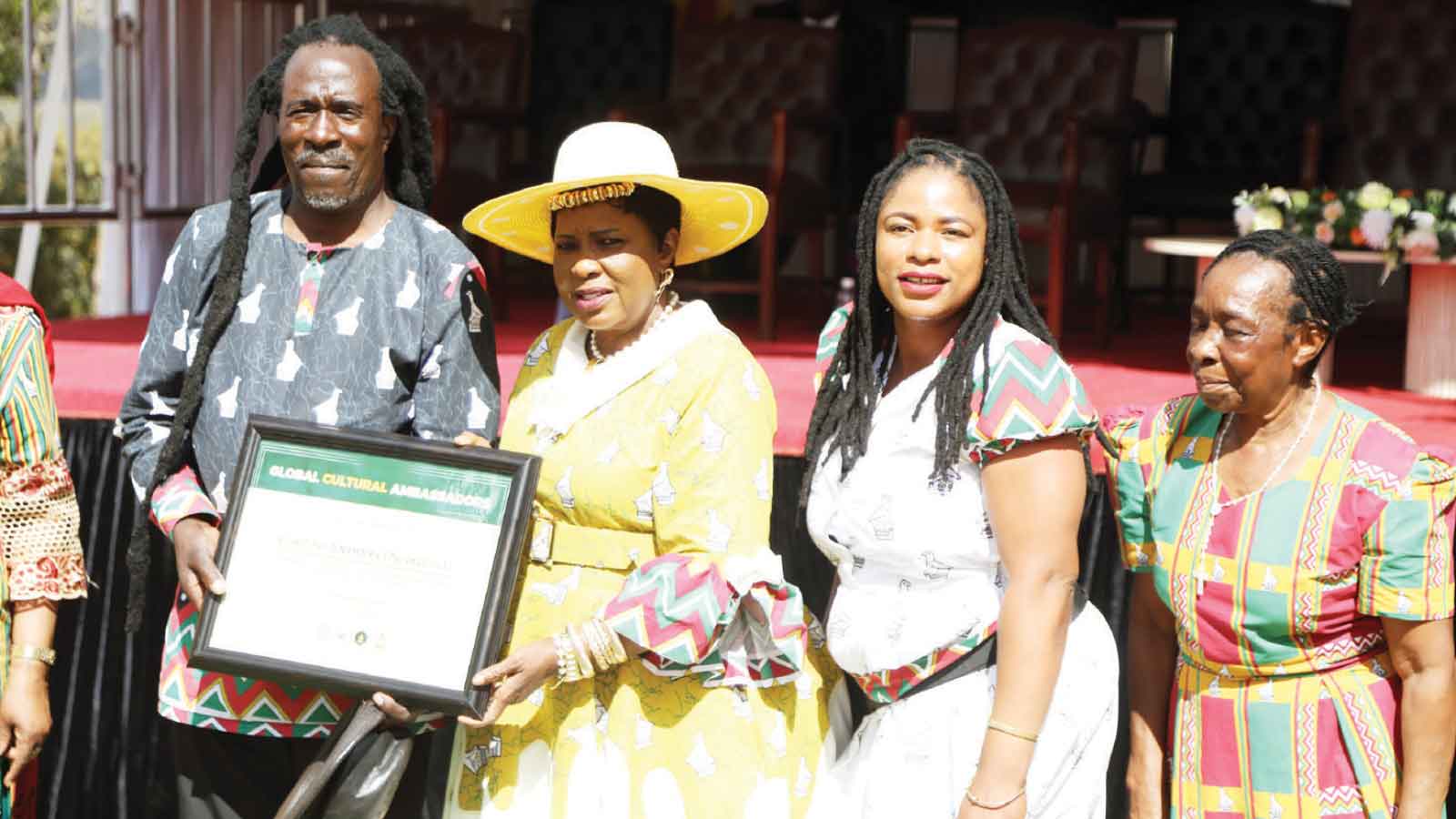
Culture and Heritage Ambassador, First Lady Auxillia Mnangagwa, attended as guest of honour, beginning her programme with a tour of exhibition stands displaying a wide range of mbira instruments.
The displays traced the instrument’s craftsmanship, historical evolution, and spiritual significance, drawing interest from both local attendees and international guests.
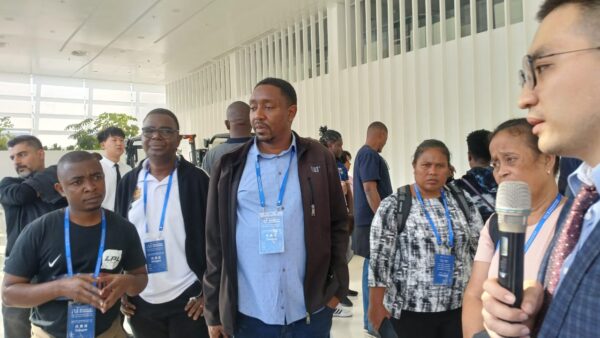
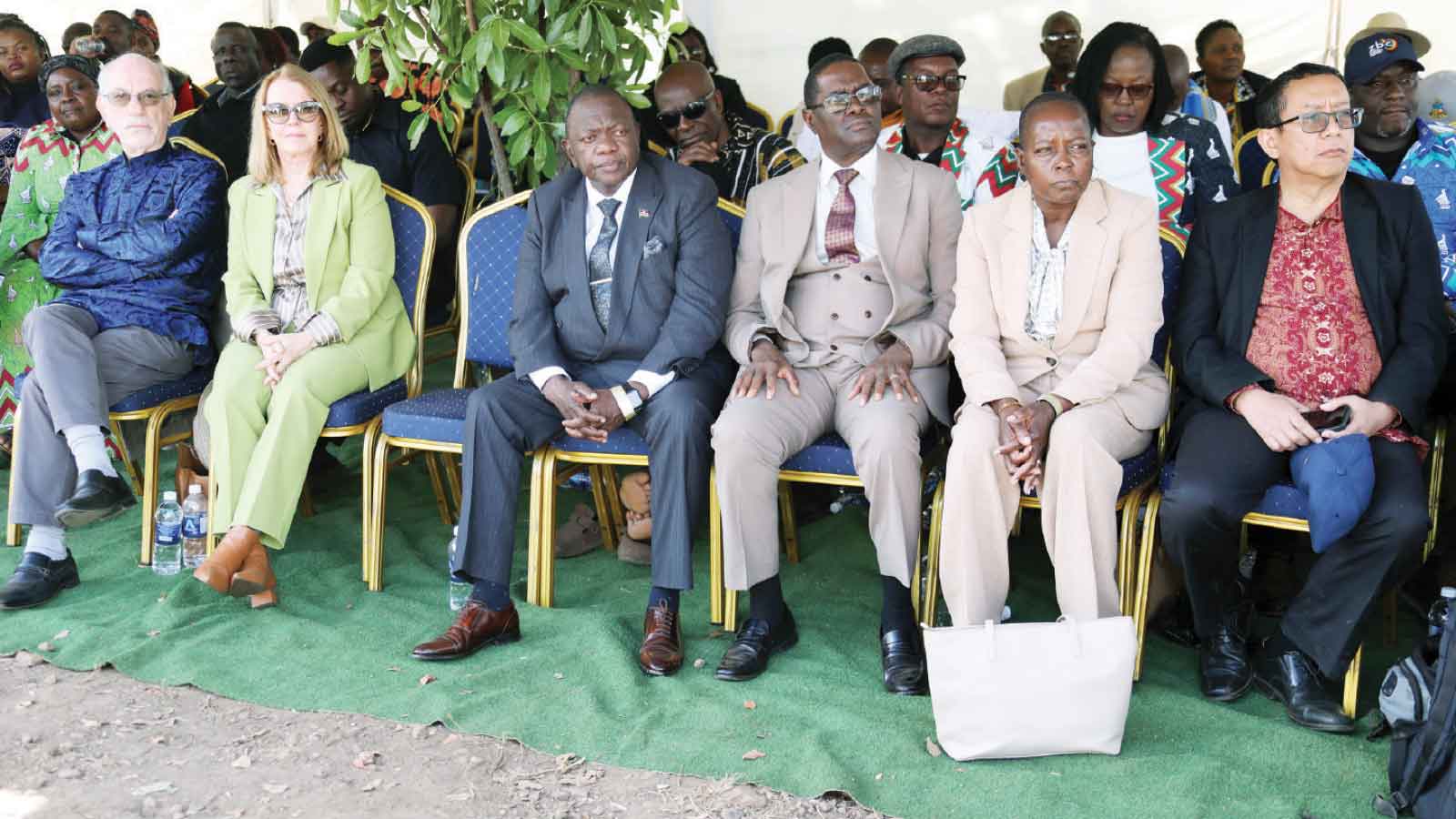
The festival also attracted a notable diplomatic presence, with representatives from Brazil, Turkey, Namibia, Malawi, and Indonesia in attendance.
Their participation highlighted growing international engagement with Zimbabwe’s cultural heritage and the expanding global appreciation of the mbira tradition.
A major highlight of the event was the launch of a new publication, Mbira Virtuosos, which documents the history, forms, and cultural meanings of mbira instruments.
The book is expected to serve as a key reference work in preserving knowledge and deepening understanding of the instrument’s place in Zimbabwean society.
Throughout the day, performances filled the venue with intricate rhythms and ancestral tones, reinforcing the mbira’s role not only as a musical instrument but as a living archive of memory, identity, and continuity within Zimbabwe’s cultural narrative.
The festival’s opening ceremony, marked by the national anthem and continuous mbira accompaniment, set a unifying tone that carried through the celebrations, reflecting the enduring resonance of Zimbabwe’s traditional soundscape.
Addressing multitudes of guests, the First Lady said the Baradzanwa Mbira Festival marked another historic milestone in promoting Zimbabwe’s cultural heritage and tourism, coming just months after the launch of the “Nhaka Yedu, Ilifa Lethu, Our Heritage” initiative.
“The policy pronouncements put in place by the Government of Zimbabwe under the leadership of His Excellency the President of the Republic of Zimbabwe, Dr Emmerson Mnangagwa, have created an enabling environment for citizens to actively participate in the mainstream economy through our heritage-based philosophy as we journey towards the attainment of Vision 2030,” she said.
The Culture and Heritage Ambassador described the Mbira as a sacred national symbol deeply connected to Zimbabwe’s history, spirituality and identity, saying it has remained central to ceremonies, storytelling, healing and community gatherings for generations.
“The Mbira is not merely a musical instrument, it is the heartbeat of our nation.
“It is a sacred symbol of Zimbabwean history, spirituality and cultural expression,” she said.
“If fully harnessed the mbira value chain can significantly contribute towards the attainment of Vision 2030 and National Development Strategy 2, by creating employment, empowering communities, promoting cultural tourism, increasing household incomes and positioning Zimbabwe’s heritage as a competitive economic asset on the global stage.”
The First Lady said the instrument had for years been wrongly portrayed during the colonial era as being associated with evil practices, leading to negative perceptions among some Zimbabweans.
“However, the Mbira is not different from other globally celebrated instruments such as the piano. It is a unique African instrument that connects us to our culture, heritage and identity as Zimbabweans,” she said.
Dr Mnangagwa said festivals celebrating Mbira heritage were important in correcting distorted narratives about African culture and restoring pride among Zimbabweans.
“Events such as this are therefore important in decolonising our mindsets and correcting the narrative about who we are as a people,” she said.
Dr Mnangagwa also commended collaboration between the ministries responsible for Tourism and Culture in promoting and preserving mbira heritage, adding that the mbira industry has vast potential to create jobs and empower communities through performances, festivals, crafts and cultural tourism.
“The mbira industry remains a sleeping giant that requires a whole of Government and a whole of society approach in order to unlock its full potential for the benefit of our communities and the nation at large,” she said.
Dr Mnangagwa urged communities to preserve indigenous knowledge systems by passing Mbira skills and cultural values from one generation to another with the support of traditional leaders.
“Let us institutionalise the festival as annual events where all provinces are represented, bringing together communities, artists, businesses and tourists from across the world,” she said.
She said Zimbabwe’s culture remains one of the country’s greatest assets capable of contributing significantly towards Vision 2030 through job creation, youth empowerment, community development and sustainable tourism growth.
“Culture is the foundation of our national identity. Let us continue working together to preserve our cultural heritage, empower our communities and proudly showcase Zimbabwe to the world through the sound of Mbira,” she said.
Among the mbira icons who were honoured and given accolades are seasoned artist Jah Prayzah, Mbira book author Charles Mavhunga, Albert Chimedza, Wirimai Edmore Nhedenga (Vee Mhofu), and Wilfred Nyamasvisva.
Others are Florence Nyamazana, Alois Mutinhiri, Linos “Wengara” Magaya, Musekiwa Chingodza, Samuel Mujuru, Tendayi “Samaita” Gahamadze among others.
Those honoured posthumously include the late Ephat Mujuru, Stella Chiweshe,
Sekuru Gora, Sekuru Gweshe, Dumisani Maraire among others.
Sport, Recreation, Arts and Culture Minister Anselem Sanyatwe Anselem Sanyatwe said the Mbira remains a sacred symbol of Zimbabwe’s identity, history and spirituality, with roots dating back more than a thousand years.
Minister Sanyatwe described the Mbira as “the voice of our ancestors” and a central pillar of Zimbabwean civilisation, used in worship, ceremonies and community life since the early Iron Age.
“The story of the Mbira is inseparable from the origin of our indigenous customs and traditions. When we play traditional tunes, we are reconnecting with a sacred and unbroken chain of sound that stretches back to the very foundation of our Zimbabwean identity,” he said.The Minister said preserving the Mbira was critical because it carries the nation’s collective memory, history and wisdom from one generation to another.
“When a child learns to play the Mbira, they do not merely learn music; they learn patience, cooperation and respect. Each rhythm tells a specific history,” he said.
Minister Sanyatwe also highlighted the growing recognition of Mbira on the global stage, following its inscription on the UNESCO Representative List of the Intangible Cultural Heritage of Humanity in 2020 under a joint nomination by Zimbabwe and Malawi.
“The world is finally catching up to what we have always known that Mbira is not a primitive instrument, but a sophisticated expression of civilisation captured in metal and wood,” he said.
He also urged the youth and corporate sector to support and preserve the instrument by promoting Mbira artists and embracing its fusion with contemporary music genres while safeguarding its cultural significance.
Minister of Tourism and Hospitality Industry Barbra Rwodzi also highlighted the importance of the mbira instrument, saying that it is a celebrated cultural asset within Zimbabwe’s tourism sector and is officially recognised as an epitome of the country’s tourism brand.
UNESCO Regional Advisor for Culture, Elena Constantinou, said it was an honour to see Zimbabwe keeping the mbira tradition alive.
“I am very pleased to have participated in this event because the mbira is inscribed on the UNESCO Representative List of the Intangible Cultural Heritage of Humanity.
“So to see that the authorities of Zimbabwe are taking all the necessary measures to keep this amazing instrument and its music alive is an honour for me. It is a privilege to witness and experience Zimbabwean culture in this way,” she said.
Brazilian Ambassador to Zimbabwe, Vilmar Rogeiro Coutinho, said it was a great honour for him and his wife to be part of the festival.
“We knew about the mbira before and had heard it before, but being here, listening, and learning more about its history and what it means to the culture of the Zimbabwean people has been an extraordinary experience for us,” he said.
Chargé d’Affaires of the Embassy of Indonesia to Zimbabwe, Mr Panca Hendarto, expressed his enthusiasm about the mbira.
“It has been a great honour for me to be here and to see how the mbira has undergone an ongoing process of development to become one of the finest musical instruments, much like Indonesia’s angklung.
“So we share common ground in music between Indonesia and Zimbabwe.”
Malawi Ambassador to Zimbabwe, General (Retired) Peter Namathanga, said the ceremony reflects the rich culture shared by African nations.
“It was a very important ceremony that reminds us where we come from. Playing it today gives us a chance to preserve it for future generations so that we do not lose touch with our roots.
“The mbira played here is similar to the one played in Malawi. The name is different, but the instrument is the same,” he said.
In Malawi, it is known as the kalimba.
As for the book launch, Bindura University of Science and Technology (BUSE) Vice Chancellor Professor Eddy Mwenje, said while the chronology of the genesis of Mbira goes beyond 1 000 years, there has not been any documentation that has been made.
“This volume constitutes the first systematic biographical documentation of Zimbabwe’s most celebrated Mbira masters, the courageous custodians of one of Africa’s most revered and spiritually resonant musical traditions,” he said.
“The publication is grounded in full ethical compliance. Every participating Mbira player and maker provided signed informed consent authorising the documentation of their biographies and musical contributions through intimate, rigorous documented portraits of legendary virtuosis, among them, Ethel Mujuru.”
Prof Mwenje said the work transcends conventional biography to function simultaneously as a compelling cultural record, a heritage tourism asset, and a contribution of genuine global scholarly significance.
He said the First Lady, through the Nhanga/Gota/Ixhiba programmes, the revival of indigenous games, the preservation of traditional leadership values, and tireless grassroots cultural initiatives across every province, has demonstrated that African heritage is not merely a relic of the past, but a living force for healing, unity, and national development.
Minister Kazembe Kazembe said the First Lady is playing a pivotal role in restoring cultural values and traditions.
“You have restored the umbilical cord that connects us to our traditional culture. Even through our food, you stand as the queen of gastronomy in Africa.
“You have restored the dignity and significance of this place, Baradzanwa in Mazowe, which belonged to Mbuya Nehanda. It is a national monument.”
Minister of State for Mashonaland Central Provincial Affairs and Devolution Christopher Magomo, also highlighted the significance of the Mbira in Zimbabwean culture.
“Your Excellency, your continued advocacy for cultural preservation and community development perfectly aligns with the aspirations of National Development Strategy 2.”
Minister Magomo also commended the First Lady for standing in solidarity with the bereaved families of victims of Anymore Zvitsva.
“You mourned with us and stood by the families who lost their loved ones at the hands of the murderer, Anymore Zvitsva. During this painful period, you comforted the bereaved and gave strength to the community.
“We saw you at the remand court seeking to fully understand the matter, and we saw you once again in court during his sentencing. We are deeply grateful for your unwavering commitment to upholding and preserving our cultural values and traditions.”
Chaplain of Zimbabwe, Chaplain George Chirombedze, said that the Christian community also joined in celebrating mbira culture.
“From a Christian perspective, some people regard the mbira as something bad or even evil. But in my view, the mbira is simply a musical instrument, just like a keyboard or a guitar.
“What really matters is the spirit or intention behind the music and the person playing it. Playing and singing with the mbira is not wrong. Even in the Bible it says, ‘Praise God with the mbira and all instruments that make sound.’”
Chaplain Chirombedze added: “So there is nothing wrong with listening to the mbira or teaching our children to play it. It is a very good instrument and should not be associated with evil.”
The event drew several Cabinet Ministers and senior Government officials, who were seen soaking in the festivities and joining the celebratory atmosphere, among them the Minister of Defence and Zanu PF National Chairperson, Oppah Muchinguri-Kashiri.