

 Online Reporter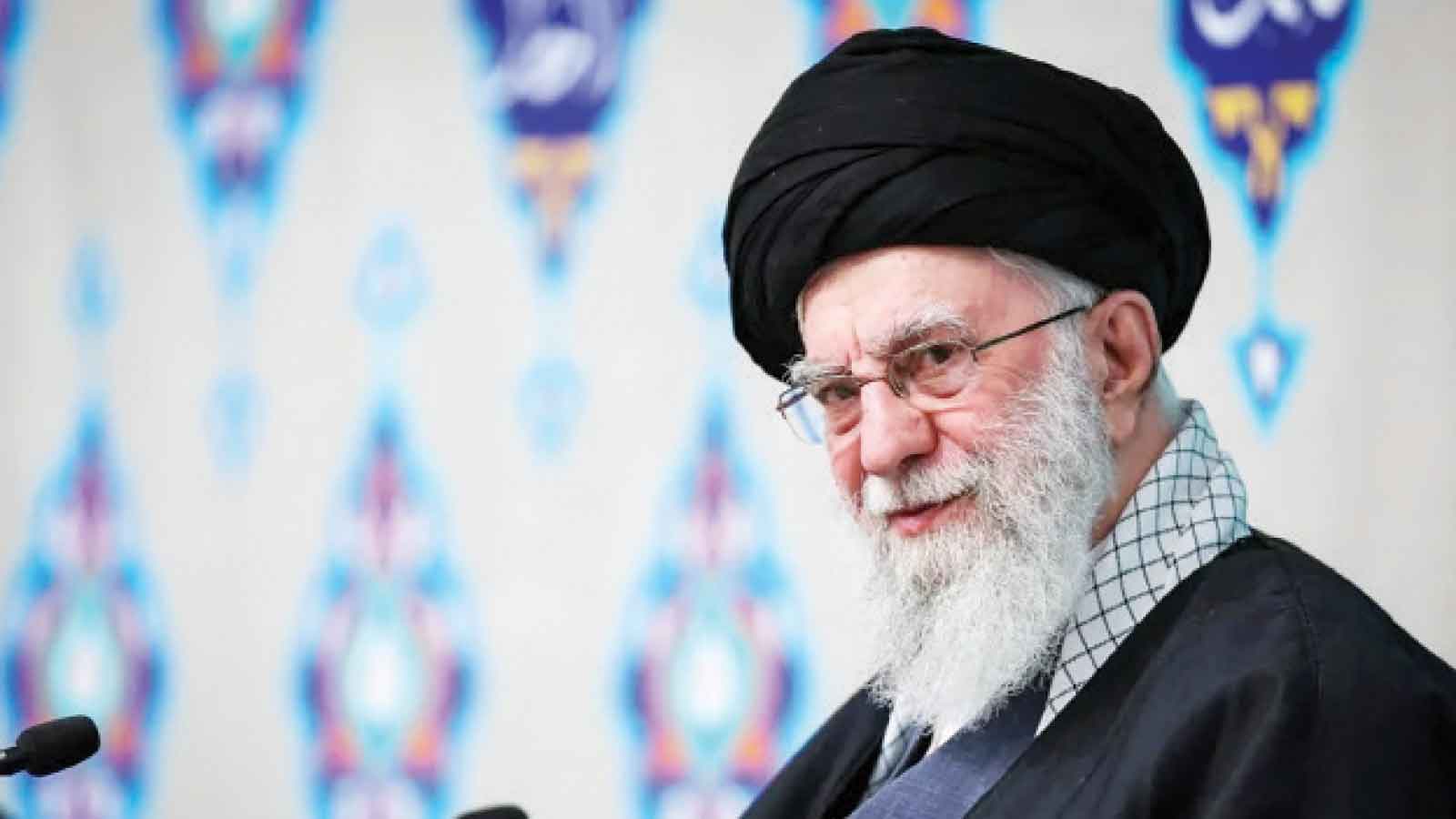
Maulana Khalid Mwale
It is with profound sorrow, deep anguish, and a heavy heart that we, the Muslims of Zimbabwe, issue this official statement on the tragic loss of Ayatollah Ali Khamenei, the Supreme Leader of the Islamic Republic of Iran, along with members of his immediate family, innocent civilians, schoolchildren, and government officials who have reportedly lost their lives in the recent hostilities.
We extend our heartfelt condolences to the people of the Islamic Republic of Iran, to the broader Muslim Ummah, as he was an iconic leader to all Muslims of the world, and to all peace-loving people of the world who mourn this devastating loss. We pray that Allah (SWT) grants patience to the bereaved families, mercy to those who have passed, and healing to one and all for the pains caused by this tragedy.
1. Mourning the Loss of Leadership and Innocent Lives
The passing of Ayatollah Ali Khamenei marks a moment of immense gravity in contemporary Muslim history. His leadership spanned decades of complex political, social, and international developments. His reported assassination, alongside members of his immediate family, including his wife, daughters, sons-in-law, granddaughter, and daughter-in-law, represents not only a personal tragedy for his family but also a profound national and international moment of grief.
Equally heartbreaking is the reported loss of innocent civilians, including schoolgirls from Minab Primary School and other non-combatant citizens. The sanctity of civilian life, especially that of children, stands as a universal principle across all moral, religious, and humanitarian frameworks. The loss of government and state officials further deepens the institutional and societal impact of this crisis.
As Muslims in Zimbabwe, we reaffirm that Islam holds human life as sacred. The Holy Qur’an teaches that the unjust taking of a single innocent life is akin to the loss of all humanity. Our grief therefore extends to every innocent life lost, irrespective of nationality, sect, or political position.
2. Solidarity with the Iranian People and the Global Muslim Community
We stand in solidarity with the people of Iran during this profoundly painful time. Grief transcends borders, languages, and ethnicities. The pain felt in Tehran, Mashhad, Qom, Esfahan and other cities resonates with believers and communities across the world.
We also extend our condolences to Muslims globally who feel deeply connected to this moment. Unity in grief must become unity in prayer, patience, and commitment to peace. It is during such times that the Muslim Ummah is called upon to uphold dignity, restraint, and wisdom.
Our message to the Iranian nation is clear: you are not alone in mourning. The hearts of Zimbabweans, particularly its Muslim communities, are with you.
3. Ayatollah Khamenei’s Religious Position on Weapons of Mass Destruction
Throughout his leadership, Ayatollah Ali Khamenei repeatedly stated, on religious grounds, that the production, stockpiling, and use of nuclear weapons and other weapons of mass destruction are forbidden under Islamic law.
This religious ruling (fatwa) was first publicly articulated in the early 2000s, notably referenced in 2003 and reiterated in subsequent years, including statements submitted to international bodies. In 2010, Iran officially conveyed to the United Nations that the Supreme Leader considered the use and possession of nuclear weapons to be religiously prohibited.
It is important to note that as a religious jurist, he was not compelled under international law to issue such a ruling. Nevertheless, he maintained that such weapons contradict Islamic ethical principles. Despite political pressures and complex geopolitical tensions, he consistently reaffirmed this religious position over time.
Observers have often pointed to this stance as evidence that his doctrinal framework did not endorse the pursuit of weapons of mass destruction. Whether one agreed or disagreed with his broader political positions, his repeated public statements on this matter formed part of the international discourse surrounding Iran’s nuclear policy.
4. Historical Relations with Zimbabwe
Before assuming the position of Supreme Leader in 1989, Ayatollah Khamenei served as President of Iran from 1981 to 1989. During that period and thereafter, diplomatic relations between Iran and Zimbabwe developed within the broader context of post-colonial solidarity among developing nations.
Iran and Zimbabwe maintained cordial diplomatic relations over the years, including high-level exchanges and cooperation in sectors such as education, health, energy, and infrastructure. Zimbabwe, having emerged from colonial rule in 1980, engaged with various international partners in pursuit of development and sovereignty.
The Islamic Republic of Iran expressed solidarity with liberation movements during the era of anti-colonial struggles, and Zimbabwe was among the nations with which it cultivated diplomatic engagement in the post-independence era.
Within Zimbabwe itself, Iranian outreach and engagement were not limited to a particular Muslim sect. Relations extended to broader segments of society, including Sunni Muslims, Shia Muslims, and non-Muslim communities through educational and humanitarian initiatives.
5. A Call for Peace, De-Escalation, and International Responsibility
In light of these tragic events, we call upon the international community, including multilateral institutions such as the United Nations and relevant regional bodies, to urgently prioritise de-escalation, dialogue, and the protection of civilian life.
The loss of innocent civilians and senior leaders alike demonstrates the grave human cost of armed conflict. The principles of international law, sovereignty, and humanitarian protection must be upheld without exception.
We urge all parties involved in the current hostilities to exercise maximum restraint and to return to diplomatic channels as the primary means of resolving disputes. Sustainable peace cannot be achieved through cycles of violence. It requires dialogue, mutual respect, and adherence to international norms.
Conclusion
At this solemn hour, we choose the language of dignity over disgruntlement, solidarity over division, and prayer over hostility. We mourn the loss of Ayatollah Ali Khamenei, his family members, innocent schoolchildren, civilians, and state officials. We extend our deepest condolences to the Iranian people and to Muslims across the world. May this tragedy become a turning point toward reflection, restraint, and renewed commitment to peaceful co-existence among nations. We conclude by praying for mercy upon the departed, healing for the wounded, patience for the grieving families, and peace for our troubled world.



