Chronicle Editor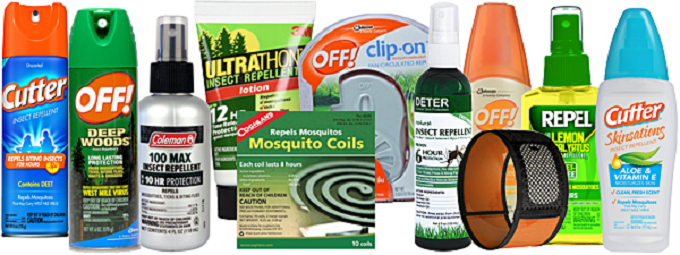
Andile Tshuma
The holiday season is upon us and it means a lot of travelling.
While some people come home from abroad, some leave home to enjoy Zimbabwe’s hospitality at the different tourist destinations dotted around the country.
Travelling however, comes along with its downsides, with some people getting sick, accidents, fatigue or burn out. It is impossible to keep one’s health in check.
If you are to travel to a foreign country or city, it is important to do your research and know the potential health risks before you go.
Whether you will be travelling to your home village, visiting relatives in a different city, travelling abroad, or going on a cruise, travelling, while it is fun, can bring about its fair share of distress which can leave your health not at its best. It is important therefore to prepare well to have an enjoyable travelling experience before you even talk of the holiday experience itself.
The most important thing you can do for your health while travelling is sleep. Your body needs rest when you’re travelling, crossing time zones, carrying luggage to and from destinations, walking all day, and so forth. Travelling is harsh on your body so make sure you get plenty of rest. How much is enough? Listen to your body.
If you are on medical aid, it is important to check if your health insurance will work if you are abroad, or in a different country. Have the numbers for emergency services and locations for hospitals as well as around the clock medical centres in the event you need to visit a doctor. Being sure of what your medical aid offers is more important now, considering the state of the medical aid industry in Zimbabwe. You can’t afford disappointments.
It is also wise to check the climate and weather updates so that you are able to carry weather appropriate clothing to avoid colds and flu or severe sun burn and rashes.
To keep the skin healthy outdoors, it is wise to keep a tube of sunscreen lotion with a minimum SPF of 15. I always thought I didn’t need sunscreen as I have a dark skin but when I started using it for all day outdoor activities, I noticed the difference.
Sunscreen must be applied on children as their skin tends to be more sensitive. They are prone to develop heat rash and all sorts of skin conditions as a result of sunburn and heat. It is important to stay hydrated. Dr Rudo Gumbo, a local general practitioner says people tend to suffer from dehydration when travelling due to low uptake of fluids, especially water. It is better to drop all other beverages but not water. Ensure that you stay hydrated by drinking the recommended six to eight glasses of water per day.
If you are going to a different town or city, it is safer to drink bottled water or to treat tap water with aqua tabs or carry a portable water treatment bottle. The most common in Zimbabwe is Water Guard and it comes in different size bottles. Avoid at all costs water from untreated sources as you may run the risk of contracting cholera, typhoid or diarrhoea if the water source is contaminated. More than 50 people died while around 6 000 were treated for cholera across the country this year. It is therefore a must to ensure that you trust the water source that you are using.
Insect bites are sometimes a problem in some areas and carrying insect repellant and ointment for insect bites will be a good move.
If you have allergies, pop some antihistamines in your bag. You can carry pills, cream or injectables, whichever is convenient for you. If you are asthmatic, don’t forget your inhalers and other medicines. Check if your destination is not infested with tsetse fly, mosquitoes and other small insects. If you are going to a malaria zone such as Binga, it is advisable to take malaria prevention pills. These are taken usually two weeks prior to your trip and as such proper planning is essential.
The malaria drugs are easily available from pharmacies countrywide, the common ones are chloroquine and malarone. Just walk into a pharmacy and get assistance from the pharmacist. Last time I travelled to a malaria zone, I was given six tablets. Two to take two weeks prior, two to take during my stay and two more to take a week after my stay.
Most malaria prone zones in Zimbabwe are safe becuse of Government’s annual anti-malaria spraying.
Fogging (spraying) is usually conducted from September to February. Victoria Falls is one of the safe holiday destinations as the municipality engages on an annual fogging exercise to rid the resort town of mosquitoes.
However, should you visit a malaria endemic area, just travel prepared.
Speaking to the Chronicle recently, national malaria coordinator Dr Joseph Mberikunashe assured the public that Government was in control and was way on target on fogging.
He advised members of the public to allow malaria spraying teams into their homes for spraying.
It is necessary to always use wet wipes and hand sanitiser. This comes in handy when water and soap aren’t available, which can happen quite frequently when travelling. You’ve been walking all day and coming into contact with people, things, doors, etc and the last thing you want to do is eat with dirty hands. Prevent the spread of germs and bacteria by cleaning your hands, especially before and/or after a meal.
Wherever you are going, enjoy your stay and keep healthy during your stay. Most of all, keep your health in check and enjoy the travelling experience.



 derick.khumalo