dyton mupawaenda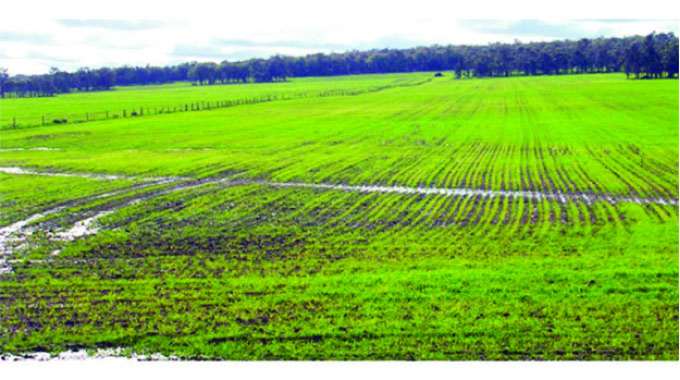
Obert Chifamba-Agri-Insight
IT is no secret that the recent return of the long-awaited rains brought an overwhelming sense of euphoria among farmers and all stakeholders in the agriculture industry.
In fact, this reaction was expected especially after the country had endured a prolonged dry spell with the rejuvenating rains bringing hope and relief to everyone. On the one hand, the once-cracked soil immediately awakened from its thirst-quenching slumber and turned into a vibrant entity for both flora and fauna with the air filled with a refreshing scent of damp earth.
From the hive of activities on the fields, which the rains unleashed, it did not require rocket science to realise that it is the dry land farmer who knows better than anyone else in the whole food chain how dependent they are on the timing of the rains and also how dependent they are on God’s mercies to receive those rains.
Given that the first half of the 2023/24 farming season had been hellishly dry and hot for the agriculture industry, thanks to the El Nino weather projected to characterise the season, the rains brought both hope and despair for some farmers. Yes, the rains finally came — the sound of falling raindrops and the delicate patter making a relieving and quieting impact that gave farmers the much-needed sense of relief.
To them, the season was finally getting underway, as they had not started planting or even doing meaningful land preparations in worse case scenarios. Their joy was, however, short-lived, as what started as a downpour in the wake of the excessive hot weather easily turned into a daily ordeal of incessant rains that left most soils waterlogged or vastly damaged by run-off.
Those who had dry-planted faced their own problem of trying to ensure the germinating crops would survive the ensuing waterlogging caused by the heavy rains. My offering today will look at the problem of waterlogging that many farmers are grappling with and how they can work towards minimising its hostile effects on crops to salvage some yields.
Waterlogging is the excessive accumulation of water in the soil, leading to the saturation of the root zone. This happens when the soil’s ability to drain water is compromised, often due to factors such as heavy rainfall, poor soil structure, or inadequate drainage systems. Such a development leaves soils low in oxygen, as the oxygen between soil particles is replaced by water. Plants need oxygen for healthy root growth with its absence hindering roots of the ability to absorb nutrients and causing stress or even death of the plant.
This adversely affects plant growth and crop productivity subsequently. Waterlogging is therefore a weighty challenge in agriculture and requires farmers to adopt effective drainage measures to mitigate its impact. This means that those farmers whose crops were affected by floods and the resultant waterlogging need to manage their crops’ recovery and minimise the extent of the damage.
The starting point is to seek professional crop advice before making decisions about removing or replacing crops damaged by waterlogging. In some cases, the farmer may make the wrong and drastic decision of destroying an entire crop batch thinking it’s beyond saving yet it may still be salvageable. This makes it crucial to engage the extension worker for guidance before doing anything.
It is important for the farmer to make sure the excess water is removed from the field before starting the process of treating crops to enhance their chances of survival after the flooding. The less time the crops spend in the waterlogged conditions, the more the chances of recovery and remaining healthy. Most crops can remain healthy floodwater recedes within a few days and where the water drains within 24 hours, the impact on plant health is usually minimal.
Usually crops die if floodwater remains for extended periods, especially on less well drained soils that remain waterlogged after floods have receded. Vegetables, for instance, are particularly at risk following a flood or heavy rain, as they lack an extensive root system. Waterlogged plants may lack nutrients due to nutrient leaching from the soil and reduced uptake by the plant because of a damaged root system, hence the need to gradually replace the nutrients with fertiliser to help the crops recover.
It is also necessary for farmers to grab the first available chance to access the once-flooded fields and move to replace lost nutrients with fertiliser to help crops recover. If there is still a likelihood of continued heavy rain, fertiliser rates are best split into frequent applications of small amounts. This means that the amount potentially lost with each rainfall event will be lower and the levels will be topped up sooner through the next application.
Sometimes foliar applications of soluble major and trace elements may help kick-start plants until their root systems re-establish. Furthermore, the gradual replacement of fertilisers is critical to allow for the recovery of a healthy root system. Heavy fertiliser applications have been known to cause further root damage.
The farmer can also adjust her fertiliser applications to make up for projected shortfalls. This can be done by increasing application rates by up to 20 percent above normal. Where the farmer suspects damage to the root system after prolonged waterlogging, it is critical that she replaces fertiliser gradually to recover a healthy root system since continued heavy fertiliser applications may cause further root damage.
But farmers must not always wait to be reactive. They need to be prepared for any eventuality given that there are numerous changes happening in terms of climate, which makes it important to always use farming methods designed to climate-proof crops. For a problem like waterlogging, they need to adopt measures that discourage it. They can grow crops on raised beds, practice good drainage systems, do mulching, reduce seepage inflow, manage irrigation properly and practise crop rotation to promote a good soil structure.
Farmers can also apply big volumes of organic manure to their soils to raise the nitrogen levels through placing them within and above the heavy clay layers. This practice is called sub-soil manuring and can significantly improve soil properties and crop growth as well as yields by improving subsoil structure and supplying the much-needed nitrates to crops. It also improves water extraction by roots while providing a greater buffer for subsequent waterlogging events too.
For severe waterlogging, combinations of drainage and crop management will be the foremost step while choosing tolerant varieties or applying appropriate agronomic practices can be effective for minor waterlogging problems.
On the positive side, wet weather also provides the farmer with the opportunity to improve the drainage of her crop land, as it enables her to identify and address the problem areas. This can be done in the aftermath of significant rains or flooding when it is safe to inspect the crops, marking spots affected by poor drainage.
This must then be followed by steps to improve the drainage of the identified areas so that the water can get away usually by removing debris or digging drains.
The farmer must in the longer run find ways of improving drainage in the identified areas such as re-shaping the field’s layout, improving surface drainage, installing subsurface drainage and frequently upholding drainage systems. Where the drainage cannot be improved, the farmer must consider using the land for something else other than cropping.



 Online Reporter