Prosper Ndlovu [email protected]
ROBUST domestic revenue mobilisation is central to Africa’s economic transformation and fiscal sovereignty, the African Tax Administration Forum (ATAF) has said, urging governments to elevate taxation to the same strategic level as debt management, trade and monetary stability.
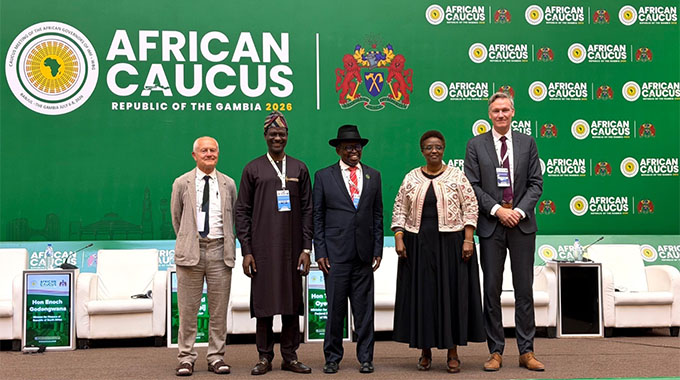
African Tax Administration Forum (ATAF) executive secretary, Ms Mary Baine, said this during the 2026 African Caucus Meeting in Banjul, Gambia, where African finance ministers, central bank governors and development partners gathered under the theme: “Transforming Africa’s Economies Through Investment, Innovation and Inclusion.”
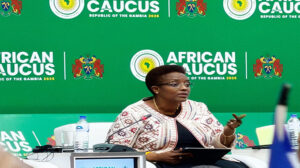
She called on governments and development partners to give domestic revenue mobilisation the same strategic priority as debt management, trade and monetary stability.
Ms Baine noted that stronger domestic revenue systems benefit both borrowing countries and development partners by making debt more sustainable, public finances more resilient and development financing more predictable.
She encouraged African governments to strengthen revenue strategies, review costly tax exemptions and incentives, deepen financial inclusion, and promote closer coordination between fiscal and monetary policy.
Highlighting the role of effective revenue administrations in translating policy reforms into tangible revenue outcomes, Ms Baine noted that ATAF continues to support member countries through technical assistance, capacity development, peer learning, legislative reform, compliance improvement, transfer pricing, exchange of information, digital transformation and institutional modernisation.
On tax transparency, Ms Baine underscored the importance of strengthening Africa’s capacity to combat illicit financial flows and profit shifting.
She highlighted ATAF’s partnership with the Zambia Revenue Authority and the World Bank Group to develop an African Automatic Exchange of Information (AEOI) IT Solution, designed by Africans for African tax administrations, providing a secure, affordable and sustainable platform to implement international tax transparency standards.
She also called for continued investment in regional tax organisations that develop African-led solutions to common challenges. Since 2016, ATAF-supported technical assistance has contributed to more than US$6 billion in additional tax assessments and over US$2.8 billion in revenue collections by member countries.
In 2025 alone, ATAF-supported interventions generated US$907.8 million in additional tax assessments, of which US$685.8 million was successfully collected.
Looking ahead, Ms Baine highlighted Revenue Action for Development in Africa (RADA), ATAF’s initiative to double the impact of its supported interventions by 2030, noting that it was endorsed at the Fourth International Conference on Financing for Development (FfD4).
She urged African countries to engage strategically in the ongoing negotiations on the United Nations Framework
Convention on International Tax Cooperation, noting that the decisions being taken today will shape taxing rights over services and the digital economy for generations.
“Sovereignty unexercised is sovereignty conceded,” Ms Baine concluded.