Online Reporter
Latwell Nyangu-Youth Interactive Writer
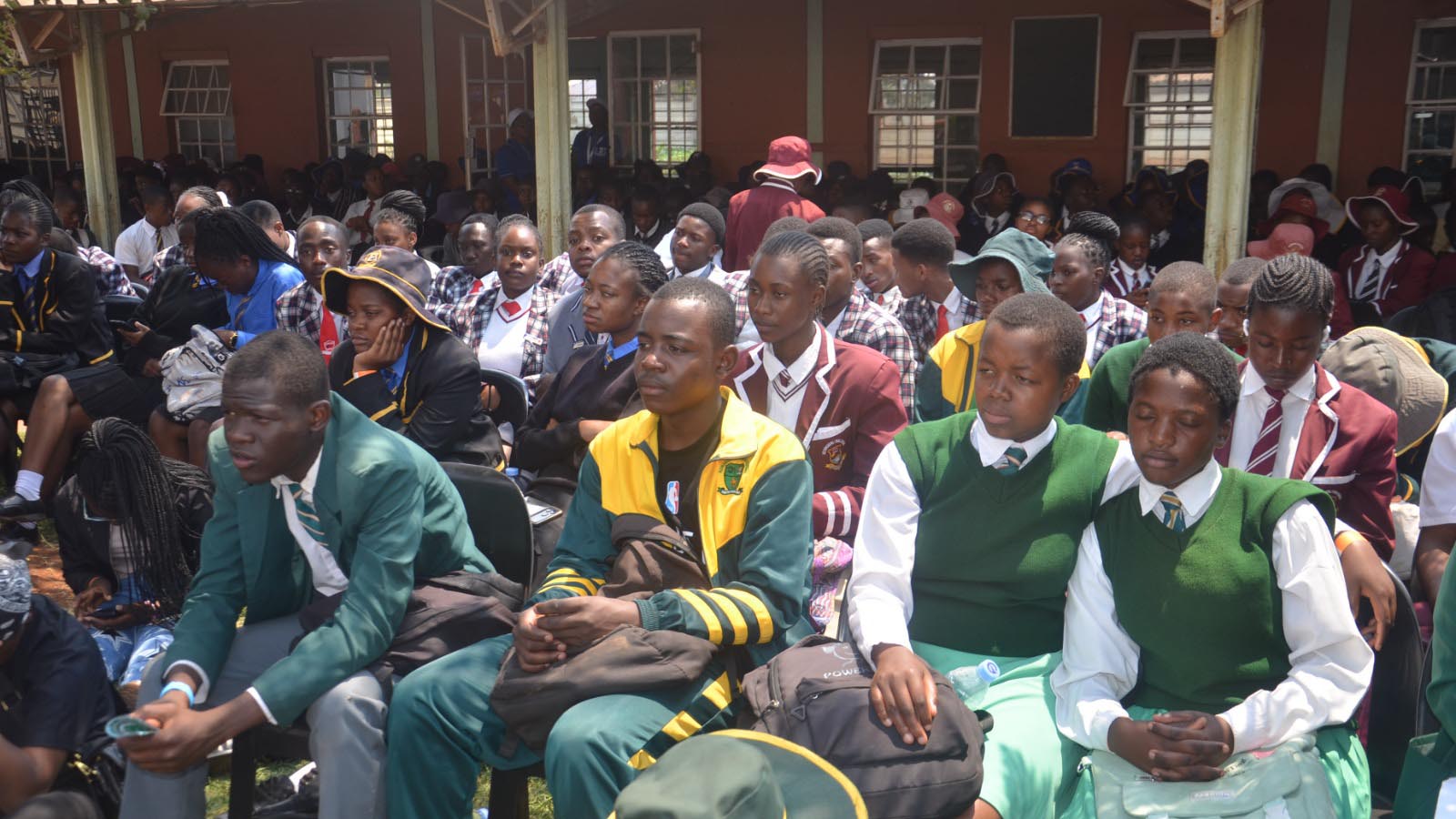
The world is evolving rapidly, and the traditional approach of seeking employment after graduation is becoming increasingly outdated.
It is imperative for students to embrace a spirit of innovation, think entrepreneurially, and recognise that their education is a powerful tool for enacting meaningful change in society.
Fortunately, Zimbabwe, like many other nations, is undergoing a transformative journey aimed at revolutionising education through innovative practices and entrepreneurial initiatives that align with the needs of our society.
As students, it is crucial to understand that education is not merely a pathway to secure employment but an opportunity to become the architects of your own future.
You have the potential to innovate, create, and solve pressing problems.
This week, I urge all students to reconsider their reliance on conventional job-seeking based on the frameworks established by the current education system. Many graduates today find themselves frustrated in their job searches, often submitting numerous applications without responses, leaving them feeling stranded.
In this modern world, students must refocus their approach and adopt a skills-oriented mindset.
I have seen many students regretting going to university or college after several attempts to get jobs.
As always, I write what I see.
Some of the students always ask me to connect them for job opportunities, but sometimes, the first question is to ask what they are capable of doing.
Some end up throwing away their certificates, but it is vital that students and graduates start redefining the mindset of job seeking.
Historically, education in Zimbabwe was heavily influenced by colonial paradigms that prioritised job-seeking as the ultimate goal.
However, with the implementation of the National Development Strategy 1 and 2, this approach is being radically redefined.
As this paradigm shifts, students must also adapt to the changing landscape.
These strategies advocate a transformation from a job-seeking curriculum to a production-oriented, heritage-based educational model.
I borrowed that this evolution which can be aptly described as “chimurenga chepfungwa,” or a knowledge revolution, fosters a culture of innovation and creativity.
This is not merely a theoretical framework, but it is a call to action for students to engage actively in shaping the future of our economies.
By moving away from the concept of fixed employment, every graduate has the power to contribute to economic growth through their skills and creativity.
As emphasised by Ambassador Fredrick Shava, the Minister of Higher and Tertiary Education, there is recognition of the need to align educational outcomes with market demands. Establishing collaborative initiatives between universities and industry ensures that graduates acquire skills relevant to today’s job market.
Educational institutions which have been creating innovation hubs where students can experiment, collaborate, and bring their ideas to fruition are now required to commercialise their projects.
However, the critical next step is to transform these innovations into tangible products that enrich our communities.
Let every student’s innovations extend beyond the confines of university walls, making them accessible and beneficial to the average citizen.
Enhancing the overall student experience during their academic journey is essential.
The provision of adequate infrastructure, including academic facilities and student housing, plays a pivotal role in this endeavour.
Furthermore, the Ministry of Higher and Tertiary Education’s ambition extends beyond supporting academic excellence.
It aims to empower students as well.
These efforts demonstrate the commitment to creating an educational system that not only imparts knowledge but also instills a sense of purpose and responsibility in students.
When students or graduates step outside the conventional job-seeking mentality, they open doors to myriad possibilities that can create a lasting impact on their community and beyond.
As we move along in the 2026 era and envision a prosperous and empowered Zimbabwe, it is vital for students to recognise their roles as innovators and change-makers.
Our educational policy encourages universities to transition from merely creating innovation hubs to industrialising and commercialising student projects.
The objective is to integrate educational talent into value chains that address national development needs.
Recently, the ministry convened with vice-chancellors, emphasising that the direction is clear, we must shift from a theoretical emphasis to one that prioritises practical impact.
By developing innovations that respond to real-world demands, students can reshape their profiles to better meet the diverse needs of our nation.
In this transformative era, I urge you, students of Zimbabwe and beyond, to challenge the conventional mindset of employment seeking.
Students should embrace innovation, think entrepreneurially, and acknowledge that their education is a vital instrument for generating meaningful societal change.
Equipped with the necessary skills and creativity, all students can play a pivotal role in Zimbabwe’s industrialisation, job creation, and inclusive growth.
Let us march towards a future defined by innovation, where every student has the potential to make a significant impact on their communities.
It is crucial for all students to abandon outdated mentalities and step into a world brimming with possibilities.
Your journey begins now.
Until we meet for a toast!
Feedback: nyangu.latwell27 @gmail.com