

 admin
admin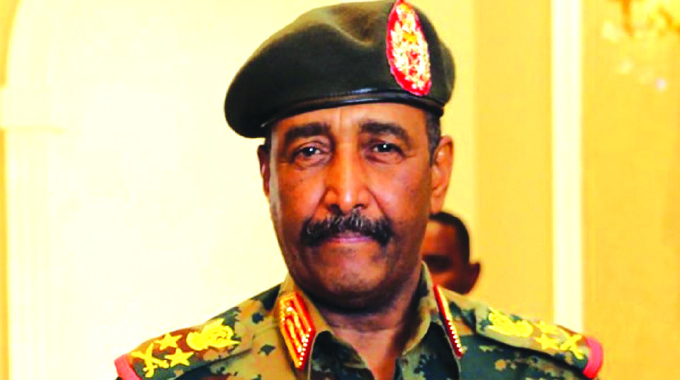
KHARTOUM. — The conflict in Sudan entered third week on Saturday despite a 72-hour ceasefire extension reached a day earlier.
Earlier on Saturday, the capital of Khartoum and its adjacent cities, Bahri and Omdurman, were hit by air strikes, anti-aircraft weaponry and artillery.
The weeks-long conflict between Sudan’s military factions has caused a humanitarian crisis in the country, sent a geopolitical shockwave that reverberates through the region, and prompted many countries to rush to evacuate their citizens.
Fierce clashes and explosions rocked Khartoum’s upscale Kafouri neighbourhood last Friday and Saturday, according to media reports. The government’s Sudanese Armed Forces’ (SAF) warplanes were said to have bombed their rivals, the paramilitary unit Rapid Support Forces (RSF). Clashes were also reported around the Republican Palace, the SAF’s headquarters, and the area close to the Khartoum international airport last Friday.
These areas have been flashpoints since the war erupted on April 15, with explosions also heard across the river in Omdurman.
On Friday, Türkiye reported that one of its evacuation planes was hit by gunfire outside Khartoum with no casualties, only hours after the two sides agreed to the latest ceasefire, which was brokered by foreign powers and is supposed to last until midnight on Sunday. The RSF accused the government forces of violating the ceasefire with air strikes on its bases in Omdurman and Mount Awliya, while the army blamed the RSF for violations.
The two rival generals leading the SAF and RSF have targeted each other in the media. Abdel Fattah al-Burhan, chairman of Sudan’s Transitional Sovereignty Council (TSC) and leader of the government forces, branded the RSF a militia that aims “to destroy Sudan” in an interview with US — based TV channel Alhurra.
He also claimed that “mercenaries” were crossing the border from Chad, Central African Republic, and Niger to exploit the chaos. Mohamed Hamdan Dagalo, deputy chairman of the TSC and leader of the RSF, denounced his rival in an interview with the BBC, calling him “not trustworthy” and a “traitor.”
The friction between the SAF and RSF had been building for months. Both sides were required to cede power to civilian parties under a transition plan meant to be finalised earlier this month, but the process foundered over timing issues, including when the RSF would be absorbed into army ranks.
As violence continues to grip Sudan, residents in Khartoum are enduring dire conditions, with dwindling access to basic necessities and restricted movement due to the volatile security situation. — Xinhua.



 Online Reporter