


 Andrew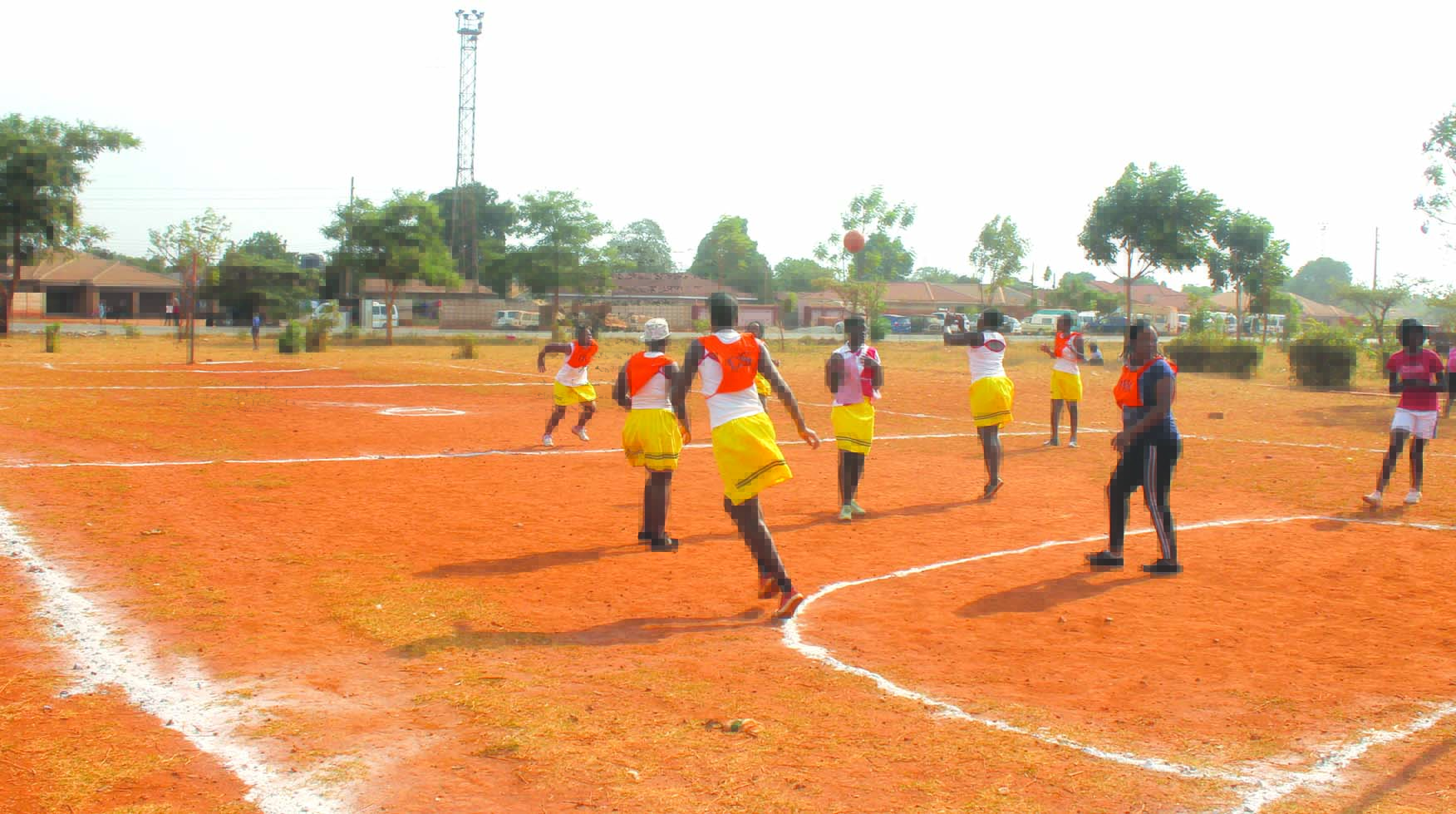
Langton Nyakwenda
Sports Reporter
BILL ANTONIO, a sensational footballer who rose from the dusty streets of Dzivaresekwa to become one of the best players in the country before earning a move to Belgium, is now playing in world-class facilities.
The 20-year-old winger was unveiled at KV Mechelen last month after completing his move from Dynamos, where he was on loan from Prince Edward Academy.
Although Antonio will begin his European career with KV Mechelen’s Under-23 side, at least the boy who was raised in one of Harare’s poorest high-density suburbs is now exposed to state-of-the-art training facilities.
But the same cannot be said of the upcoming footballers he left behind in Dzivaresekwa.
The football nursery that produced Antonio, DZ Academy, is still functional but operating under difficult conditions because of the poor state of Dzivaresekwa Stadium.
DZ Academy uses the dilapidated council facility for their training sessions and matches.
Once good enough to host Premier Soccer League matches, the stadium has been run down to an extent that it no longer has functional changing rooms and toilets.
The pitch has become a danger to players.
Outside the stadium is a basketball court with corroded rings and a worn-out surface.
The Community Hall is a sorry tale of years of mismanagement and neglect.
“The challenge we have is that we do not have a proper football facility,” laments DZ Academy coach Antony Maruwa.
“Some panels of the precast wall have collapsed and people are now walking through the pitch.
“The toilets are not functional, nor are the changing rooms. There is no running water,” said Maruwa, who is known as Coach Robinho in local football circles.
Apart from Antonio, a number of footballers like Silas Songani, Kelvin Mangiza, Leslie Kashitigu and Tino Muringai passed through the DZ Academy.
The poor state of Dzivarasekwa and the adjacent Community Hall is just a microcosm of a bigger problem facing Harare.
The city’s once-vibrant sports centres are now decrepit.
From Mbare, Mufakose, Glen Norah to Highfield, the story is the same.
Some blame Harare City Council for neglecting their duty of maintaining these facilities.
Zimbabwe Grounds in Highfield, which were once green and good enough to attract PSL clubs like Black Aces and CAPS United as training grounds in the 1990s, now resemble a desert wasteland.
Ironically, Women’s Soccer League outfit Harare City Queens, who are owned by the council, train there.
But their players risk injuries on the dry, bumpy and sandy pitch.
“The state of affairs here is frustrating and this is not good at all,” says a local coach Victor “Coach Zozo” Mwanasanga.
“We grew up in this area and these pitches were green, with good surfaces. The grounds were well taken care of.
“There used to be a groundsman who was responsible for maintaining these pitches. But nowadays we don’t even know who really is in charge of these grounds,” he said.
Mwanasanga believes council “should do something about this mess”.
Former players like Mugove Munyorovi, Arthur Tutani, Emmanuel Nyahuma, Allan Mapila, Nyasha Kanogoiwa, Itai Kapini, David Sengu and Ashley Rambanapasi all honed their skills on these grounds.
Popular CAPS United fan and a Highfield resident Francis Kaowa attributes the deterioration of facilities to vandalism.
“As long as people do not have a sense of ownership of these facilities, we are heading nowhere.
“The Government might chip in and build new facilities but still there will be vandalism because people do not see the value of these facilities,” opined Kaowa.
“We used to have Glen Norah Stadium nearby, which at some point was good enough to host lower-division matches, but today the stories there are about goalposts being stolen.
“It’s sad that people steal goalposts and sell them for a pittance just to get money for drugs.
“At this rate, our children will have nowhere to play football; nowhere to swim or play basketball.”
For sport enthusiasts like Ellen “Gogo Pamire” Gorokota of Kuwadzana, neglect of sporting facilities has affected development.
The 58-year-old runs a netball team, Real Stars Queens, who play on a sun-baked red soil surface.
“Our aim is to shield these girls from social vices like early marriage, prostitution and drug abuse.
“But, we have challenges as far as facilities are concerned. We do not have proper netball courts, as you can see,” Gorokora said.
“The court we are using is a danger to the players. Most of them end up having injuries . . .
“We are lagging behind in terms of sport development, and this because we do not have sport facilities, so we are appealing for Government intervention.”
There was a time when the Sports and Recreation Commission (SRC) in collaboration with the local authorities used to run a programme called “Sport for All”, which was designed to spread sport to all communities.
The project, which received some financial and material backing from Norway, was anchored on proper infrastructure and support.
It covered suburbs like Mbare, Mabvuku, Highfield, Mufakose, Mzilikazi, Makokoba, Mutapa and Chitungwiza.
Former ZIFA chief executive officer Jonathan Mashingaidze was part of that programme.
“The community sport programme, which was in place early 1990s up to the turn of the new millennium, was a massive grassroots development which was looking at mass sport disciplines.
“It created an opportunity for new disciplines to be introduced,” said Mashingaidze.
“It was massive in terms of numbers. It was also a project that looked into the issue of facilities.
“Local authorities would second their sports officers; the Sports (and Recreation) Commission would also have their officers to oversee this programme.
“There were lot of courses running, ranging from administration, refereeing, event management, equipment production, first aid.
“All this was possible because we had proper facilities, but, sadly, those responsible disengaged and the facilities were left to get to this level of dilapidation.”
He said there was need to revive community sports.
However, Harare City Council says it has begun the process of rehabilitating the facilities.
“So far, working with our partners, we have completed George Hartley swimming pool in Mbare,” said council spokesperson Innocent Ruwende.
“We have also done Kuwadzana Hall and Kambuzuma basketball court.
“We are also working on the Kambuzuma football pitch; we also worked on Highfield Community Hall.
“We are attending to our facilities as and when resources permit, as you know council has competing issues which need to be attended to.
“We are also courting other partners to work with. We recently carried some works at City Sports Centre, among other facilities,” added Ruwende.
The Sunday Mail Sport visited the Mbare swimming pool, where locals were happy that it was now functional.
“At least they (council) have done something about a recreational facility. These facilities are important because they can occupy youths and at the same time give them opportunities to improve their talent,” said Johannes Marimbe.
The deterioration of sports facilities has also caused alarm at national level.
Magamba Hockey Stadium and Chitungwiza Aquatic Complex, which hosted the
1995 All-Africa Games, are now white elephants.
Chibuku Stadium, which used to stage PSL matches in Chitungwiza, is sometimes used as a car park.
The country currently does not have a stadium fit to host international football matches after the Confederation of African Football (CAF) condemned the National Sports Stadium, Rufaro Stadium and Barbourfields.



 Bongani Ndlovu
 Online Reporter