


 Online Reporter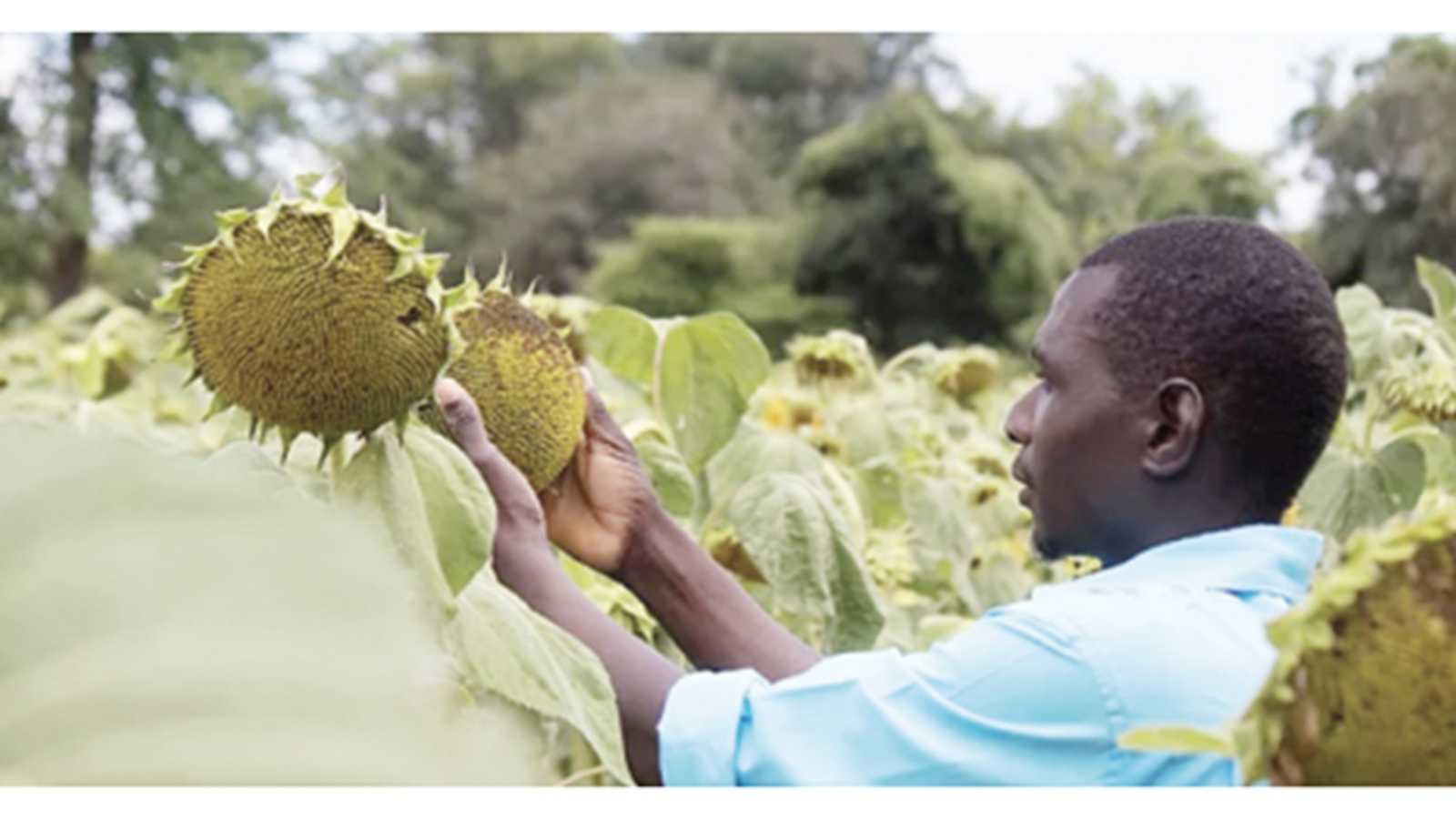
Word from the Market
Tina Nleya
Last week’s Word from the Market focused on potatoes and how they are increasingly becoming a profitable crop for Zimbabwean farmers, as demand continues to rise across households, fast-food outlets and processors.
This week, we turn to another equally important opportunity that farmers can explore in 2026 and beyond: edible oilseed production, with a particular emphasis on sunflower.
Recent findings from an oilseed sector study presented to the Agricultural Marketing Authority (AMA) have highlighted a worrying production gap in Zimbabwe’s edible oils value chain.
While national demand for edible oils continues to grow steadily, local oilseed production is only meeting about 10–12 percent of the country’s requirements.
The remainder is being met through imports, a situation that is not sustainable and runs counter to the country’s development aspirations under Vision 2030, the National Development Strategy 2 (NDS2), and the Agriculture and Food Systems Transformation Strategy (AFTSRS).
This reality presents a significant opportunity for farmers who are willing to respond to market demand.
Zimbabwe spends hundreds of millions of United States dollars every year importing edible oils, such as cooking oil.
Yet, the country has suitable agro-ecological regions, experienced farmers and existing processing capacity that could be utilised to meet a substantial portion of this demand locally.
For farmers, this means there is a ready and reliable market for oilseed crops, particularly sunflower, soya bean and cotton seed.
Sunflower, in particular, stands out as one of the most accessible oilseed crops for farmers across different scales of production.
It is a hardy crop that performs well under low rainfall conditions and requires relatively low input costs compared to many other crops. Sunflower can be grown successfully in most parts of the country, including semi-arid regions where maize yields are often low or unreliable.
From an agronomic perspective, sunflower offers several advantages. It has a relatively short growing cycle, is tolerant to drought and can be produced with minimal fertiliser.
The crop also provides valuable by-products, such as sunflower cake, which is widely used in livestock feed.
These attributes make sunflower an attractive option for both smallholder and medium-scale farmers looking to diversify production while managing climate and input cost risks.
The Government has also identified oilseeds as a strategic value chain under Vision 2030, NDS2 and AFTSRS.
These policy frameworks prioritise import substitution, value addition, and agro-industrial development.
As a result, oilseed crops such as sunflower and soya bean are receiving increased policy attention as part of efforts to strengthen domestic production and reduce reliance on imports.
Through programmes such as the Presidential Inputs Scheme and other targeted interventions, farmers are being supported with seed and technical assistance to boost oilseed production.
In addition, policy measures are being implemented to encourage local sourcing of oilseeds by processors, ensuring that farmers who invest in these crops have access to a viable market.
The oilseed study presented to the AMA further indicates that the key challenge facing the sector is not a lack of processing capacity, but inadequate local production of seed.
Zimbabwe has oilseed crushing plants that are operating below capacity due to an insufficient supply of raw materials.
This represents a clear opportunity for farmers to step in and supply the growing demand from processors.
It would be unrealistic to discuss oilseed opportunities without acknowledging the challenges that farmers face.
These include the limited availability of certified seed, constrained access to capital, the high cost of inputs and climate-related risks. Many farmers also struggle to access affordable financing tailored to oilseed production cycles, which affects their ability to scale up production.
AMA recognises these constraints and believes that addressing financing gaps is critical to unlocking the full potential of the oilseed sector.
In this regard, the Authority is advancing work towards the reintroduction of the AMA Bill as a market-based financing instrument. The AMA Bill is designed to mobilise finance against projected agricultural receipts, allowing capital to be channelled back into production, aggregation, storage and marketing.
The Authority believes that the reintroduction of the AMA Bill can play a catalytic role in financing the oilseed value chain.
However, this instrument can only succeed if there is transparency in the sector, alignment between policy and market incentives, and genuine collaboration among farmers, processors, financiers and the Government.
Other African countries provide useful lessons on how oilseed value chains can be successfully developed.
Zambia, for example, has built a strong oilseed sector through coordinated support for farmers, contract farming arrangements and policies that prioritise local sourcing.
By creating predictable markets and supporting farmers with inputs and financing, Zambia has managed to significantly reduce its reliance on imported edible oils.
Zimbabwe can follow a similar path by strengthening coordination across the oilseed value chain.
This includes improving access to certified seed, expanding irrigation where possible, supporting farmer financing mechanisms, and ensuring transparent and predictable markets.
For farmers, the message is clear: the market for edible oilseeds is strong and demand is expected to remain high.
By incorporating sunflower or other oilseed crops into their farming systems, farmers can tap into a profitable market while contributing to national food and economic security.
As we continue to highlight market-led farming opportunities in this column, farmers are encouraged to seriously consider oilseed production in the coming season.
Just as potatoes are increasingly becoming a staple on Zimbabwean plates, locally produced edible oils should become a staple in Zimbabwean households.
The opportunity is there. The demand is proven. What remains is for farmers, industry players, and policymakers to work together to make oilseed production a success



