

 admin
admin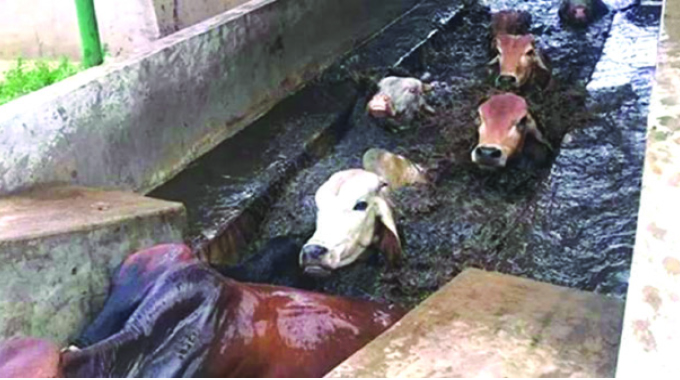
Herald Reporter
Farmers should supplement dipping chemicals with injectable tick control drugs to manage tick-borne diseases during this rainy season, the Department of Veterinary Services has advised.
During the wet season, animals are susceptible to so many challenges, and if a farmer is not careful, they may be killed by various diseases including tick borne diseases.
Midlands Veterinary Provincial Director Dr Martin Sibanda said although the department has enough dipping chemicals in stock to last them throughout the rainy season, farmers should supplement dipping chemicals since most chemicals on animals will be washed away by the regular rains.
He said tick-borne diseases were increasing during this rainy season, with Midlands district recording about 120 cases of January diseases per week in the past two weeks and 15 cases of heartwater per week.
“Cases of tick-borne diseases are increasing except redwater. In order for the chemicals to work, there is a need to supplement with injectable drugs. Too much rainfall will reduce the effectiveness of dipping chemicals, hence all chemicals that prevent the animals from getting tick-borne diseases will be washed away.
“We are also working and raising awareness among A2 farmers that they should use injectable drugs as well as tick grease in order to supplement dipping chemicals ,” he said.
Tick-borne diseases are spread from one animal to another by ticks. The tick-borne diseases that affect livestock in Zimbabwe are January, redwater, gall sickness and heartwater and they account for 20 to 30 percent of recorded cattle deaths annually.
The peak period for tick borne diseases is in the hot wet season, which presents ideal environmental conditions for breeding of ticks. Farmers are advised to start intensive weekly dipping from the beginning of November to interrupt the breeding cycle of ticks and prevent build up tick population in the veld.
The Veterinary department also encourages farmers to take their livestock to all dipping sessions provided for by Government in the communal sector, pay their dipping fees to facilitate constant supply of dipping chemicals and not to move tick-infested cattle from one area to another as this will aid the spread of tick borne diseases.
During the 2019/20 agricultural season, there were 46 715 tick borne disease cases and 33 514 deaths.
Then during the 2020/21 season, 25 036 cases were recorded and 12 503 deaths indicating a major decrease of death by 62.7 percent.



 Online Reporter