admin
admin
For what you might not be aware of, the student could be rehearsing the greeting in Swahili as Zimbabwe reaches out to East Africa in search of a linguistic bride.
Learning a language is like propositioning a girl, celebrated, serial womanisers somewhere in Zimbabwe will confirm this.
If upon receiving the proposal, the woman giggles or cracks a seductive smile, the man hugs himself with joy, certain that the seed has fallen on fertile ground and that therefore, he and the woman have entered a state of inter-subjectivity, or, better communication has been consummated, or better still, communication between the couple has succeeded.
That is what communicologists mean when they say: “Communication is the highway upon which love travels.”
Put much more succinctly, communication is a venue where needs meet and this contextually fits in well with Zimbabwe’s desire for her needs legislatively and in terms of broader policy making processes with sister African states.
It is in light of forging greater unity and cohesion with other African countries that the University of Zimbabwe is set to introduce the teaching of Swahili which is already a course taken by students at the University of Namibia.
The UZ programme will begin with certificate courses as soon as lecturers from Tanzania are hired on contract, a usually reliable source at the university said earlier this week. A full Bachelor of Arts degree in Swahili will then follow in September next year at the start of a new university semester.
The source said the academic committee, which is the cutting edge of the university council, had agreed the introduction of Swahili now being used as one of the official languages of the Pan-African Parliament in South Africa along with English.
The introduction of Swahili at the UZ is particularly significant as Swahili is the official language of legislative assemblies of the huge East African bloc whose lawmakers are members of the Pan-African Parliament based in South Africa.
When African peoples on a broader plain share a linguistic social circumstance as in the case in point here, or cultural and other circumstances, they are wont to navigate the future much more boldly and successfully as a united people.
As things stand today, African countries continue to be divided along pervasive linguistic barriers which make it difficult for quick-fix political and economic solutions to be implemented for speeded up development across the continent with African policy makers and technocrats pooling their resources as a team to redeem the continent of its underdevelopment status.
But any adoption of a universal African language, or lingua franca, albeit at a regional level to start with, is bound eventually to make Africans find common ground on matters of life or death and stand united vis-à-vis contemporary imperialism now on a rampage and entrench political as well as economic hegemonies the warm ashes of fallen but richly resourced weaker nations.
Zimbabwe also apparently realises the importance of opening up linguistic highways across her borders for the meeting of needs between her and neighbouring states.
For instance, the University of Zimbabwe has also pioneered the teaching of Tonga by linking up with the University of Zambia as the Tonga language is spoken by people who reside on both sides of the Zambezi River.
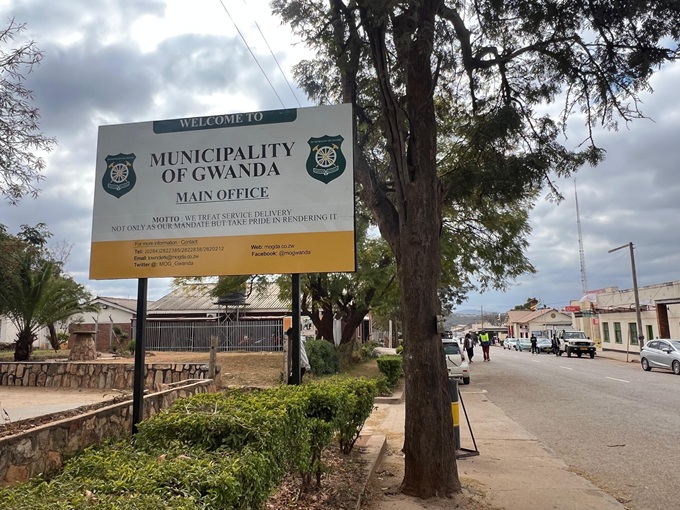
To the south of the country, the Joshua Mqabuko Polytechnic in Gwanda reportedly wishes to establish a linguistic highway with Limpopo Province in South Africa, where, like in Matabeleland South Province, Venda is the main indigenous language spoken there.
As stated above, love in its various aspects begins to flow along communication highways linking different countries and with the added bonus of different people’s needs also meeting as a result.


 Online Reporter