admin
admin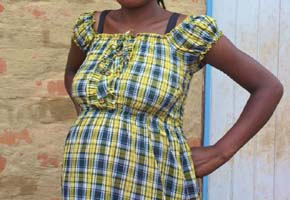
Yoliswa Dube
BECAUSE parents and guardians find it difficult to talk to their children about sex and sexuality, many teenagers today lose their way and find themselves in the arms of older men and women, becoming vulnerable and exposed. Girls, especially, are the most affected as they wind up pregnant, maybe with a sexually transmitted infection or even HIV positive.
Probably due to the need to exonerate themselves from poverty and challenges that life presents them with, young people find themselves at the mercy of older men and women, primarily for financial gain.
Recently, a 26-year-old bus conductor who allegedly preyed on minors and reportedly impregnated six teenagers in Bulawayo’s Mzilikazi and Makokoba suburbs drew the ire of many parents who were worried that their daughters were being left stranded after engaging in sexual activities too early in their lives.
The six teenagers were all said to be expecting, while the conductor, Gift Siluma of Makokoba, also has a 20-month-old child with a woman from the same suburb.
Parents of the pregnant teenagers — aged between 14 and 19 — said Siluma went around with a bunch of cash which he used to lure their children to his house.
They said he only gave them small amounts ranging between $1 and $5 and duped them into believing he owned the King Lion buses that ply inter-city routes.
One of the six teenagers who opened up, Jeena Sibanda, 19, who is seven months pregnant, said she fell in love with Siluma about two years ago. Sibanda said Siluma used to be a loving boyfriend until she told him she was pregnant.
“I dated Gift for about two years only for him to turn his back on me after I fell pregnant. I didn’t know about his affairs with other girls until March when I went to stay with him. My mother chased me away from home when she discovered that I was pregnant,” said Sibanda.
She said upon arriving at Siluma’s house in Makokoba, she found two other pregnant girls claiming he had promised to marry them.
“Gift initially said he’d take care of me and my baby but after I went to his house, I discovered that there were two other pregnant girls. While I was there, three other teens came to the house saying Gift had made them pregnant,” said Sibanda.
Many parents blamed these girls for devaluing themselves and settling for a few dollars, which have proven to be enough for men to do what they please with them.
“I don’t understand how one can be lured into someone’s house because they have seen a few notes. It is out of desperation that our youngsters continue to fall prey to such people. Also, parents and guardians are not doing enough to ensure that their children are well educated about sex and sexuality.
“They have simply let their children find out some of these things for themselves. Unfortunately, there are usually serious problems after this has happened. The consequences are irreversible, most of the time,” said Thandiwe Dube, a mother of two teenagers.
She said it was sad how after a consensual sexual relationship, the girl is the one who is left to take care of a baby once she falls pregnant.
“It’s very unfortunate that at the end of the day, once the girl falls pregnant, most of these men forget that they were once in a relationship and are quick to run,” said Dube.
The problem is that young people do not want to work hard. They want everything handed to them on a silver platter. They do not understand the dignity of labour. It is so much easier for someone else to provide them with the things they desire than working hard to get these things themselves.
“Who in 2014 gets pregnant if they don’t want to? Surely people should use condoms and birth control. Why open your legs for a dollar or five dollars. It’s really a shame that poverty is driving young girls to give away their bodies so cheaply,” said Tsitsi Magaso, a concerned parent.
Availability of a variety of contraceptives including condoms has not deterred these youngsters from engaging in unprotected sexual activities.
Probably the availability of these contraceptives is what has made young people more careless than before.
“This is what happens when parents do not prioritise education for their children; they will end up getting cheated and used by taxi touts. I blame the parents. The chances of these girls getting out of poverty are now very slim,” said one parent.
Education and adequate parental guidance has been at the forefront of this debate as people believe parents have a critical role to play in ensuring their children acquire a decent education and pursue their dreams.
Social commentator Reverend Paul Damasane said the cookie crumbled when the family centred social process disintegrated.
“We have since industrialised and digitalised, the values of the family no longer control us therefore there has been the breakdown of social values.
“The long term solution to solving this problem is re-emphasising family values,” he said.
Rev Damasane said there are other structures that represent the family unit including school, the teenage network and the church.
“We need to find ways of influencing these networks by valued clarification. Thereafter, these young people should be allowed to choose life skills. They need coaching in understanding sexuality and reproduction.
“The problem is not sex but they need to understand the consequences of early fatherhood or motherhood. They need to know what happens when a child becomes a mother or a father,” said Rev Damasane.
“When a young person is involved in a relationship, they should consider the economics of it all. How do they link sexuality with the economy, is it comfortable for their pocket or their parents’ pocket.”
Rev Damasane said the church also had the responsibility to teach young people about sexuality through various church programmes.
“We can’t wish away social networks but we can use them to provide positive clarification,” he said.
Most of the time when people think about sexuality education, they think only of the specific genital parts of their bodies and lives.
Sexuality is a much larger concept which comprises who we are, our sense of identity as men or women, how we see our places in the world, and what we believe about our potentials and capabilities.
It has to do with biology and psychology, with pleasures and values, and with relationships; relationships with ourselves, our friends, and those who might become our partners.


 Online Reporter