Chronicle Editor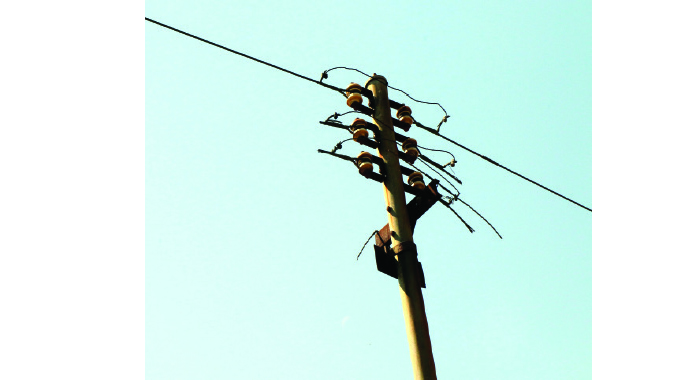
Marshall Rufura Ndlela, Opinion
Crimes such as vandalism, stealing traffic solar lights, batteries, bus station roofs and street fences are all an act of economic sabotage. Public infrastructure are permanent assets that need to be repaired, maintained and restored.
It is a fact that the Zimbabwean infrastructure pre-2000 was intact although in a depreciation state. There were bus stations, road fences, public telephone systems, street lights and public social infrastructure in the form of community halls, gyms and sporting facilities.
As the politics of violence and MDC politics of vandalism and looting took root, the balance sheet of public infrastructure deteriorated. That deterioration causes several public illnesses that erode the welfare of an ordinary Zimbabwean.
It is a fact that the public infrastructure of Zimbabwe was destroyed by Zimbabweans themselves. The non-ferrous and scrap metal industries were the beneficiaries of the vandalism, destruction and theft of street-lights, pipelines and meter reading devices.
In December last year, a man was electrocuted in Highfields, Harare attempting to steal transformer oil worth less than US$200.
Sadc as a region, is suffering from electricity outages and load shedding, but Zimbabweans are caught in the midst of economic sabotage that worsens the power situation in Zimbabwe and Sadc as a whole.
South African civil groups are now embarking on serious public asset protection initiatives that include pleading with the South African government to exclusively deport all illegal Zimbabwean immigrants.
Most reported cases of rail, copper and solar battery theft in South Africa are allegedly committed by Zimbabwean and Mozambique nationals. Such criminal behaviour causes a lot of political, and economic threats to a struggling country.
Zimbabwean veteran musician, Hosiah Chipanga, sang a song called “Kwachu Kwachu”.
In this song, he elaborates on how Zimbabwe’s best and then first class public infrastructure was sabotaged by the native Zimbabweans in pursuit of self gain. Public asset depreciation may also be caused by lack of maintenance and service.
All these responsibilities fall in the hands of the civilians and the municipalities in charge. It is important for the general public to know the duties and responsibilities of their elected constituency leader. Sizinda and Tshabalala as a ward, enjoyed the dedication and focus of their former councillor, Alderman Mika Parira Mpofu, or simply Alderman Mparira as he was popularly known, was a well-trained socialist and a former Zanu-PF cadre.
Alderman Mparira, now late, was a political darling of Sizinda-Tshabalala. He was known by almost everyone in the suburbs. He walked with no body guard, his house was open to any person and he was a principled leader who fought for the maintenance of public infrastructure in Sizinda and Tshabalala.
He rolled out many initiatives to clean the suburb, maintain lights and enforce the use of community sporting facilities. The current crop of opposition councillors and MPs who are leading in the metros are a true reflection of their voters.
They are the chief participants of economic sabotage.
In some countries, economic sabotage is treated as a treasonous act and a threat to the national security of the state. Vandalism, looting, asset theft, and pilferage crimes should be regarded as serious economic crimes.
Most Zimbabweans diplomatically use the word “deals or madhiri” to refer to crimes ranging from looting, international crimes and smuggling. The annual value of “madhiri” might be more than the value of the Gross Domestic Product of Zimbabwe at nominal value.
The annual value of the monetary transactions in the streets of Harare, Bulawayo, social media and Gweru exceeds the value of the transactions conducted by registered and licensed businesses.
Who is damaging Zimbabwe here? Is it the Government or the Zimbabweans? The answer is very clear. Some of our people have resorted to park and keep all emanating economic problems to the national Government, by doing so, they are harbouring economic thieves and terrorists.
The economics and politics of “madhiri” should come to an end if we want a prosperous and progressive Zimbabwe. Parents should resume their moral responsibilities of guarding the youth to desist from “deals” that destroy the country and Africa. Parents and community leaders should take a lead in fighting against economic sabotage, theft and smuggling of stolen South African property.
There is no nation that will stand the test of time if built on a wrong economic foundation.
It is our duty to protect our country regardless of political differences. We should march dutifully together in demand of better service from our constituency leaders.
A civil and constituency social contract with our elected constituency leaders will help us to protect and improve our public infrastructure.
Those in South Africa, be exemplary, desist from stealing South African property, copper cables, solar batteries and railroads. Such acts will invite a painful response from the South African community which might be mistakenly regarded as xenophobic.
Marshall Ndlela is a Zimbabwean based in South Africa. He is a holder of a Master’s Degree in Finance and Accounting from the University of Chichester, England. He can be contacted on [email protected].



 Online Reporter