Online Reporter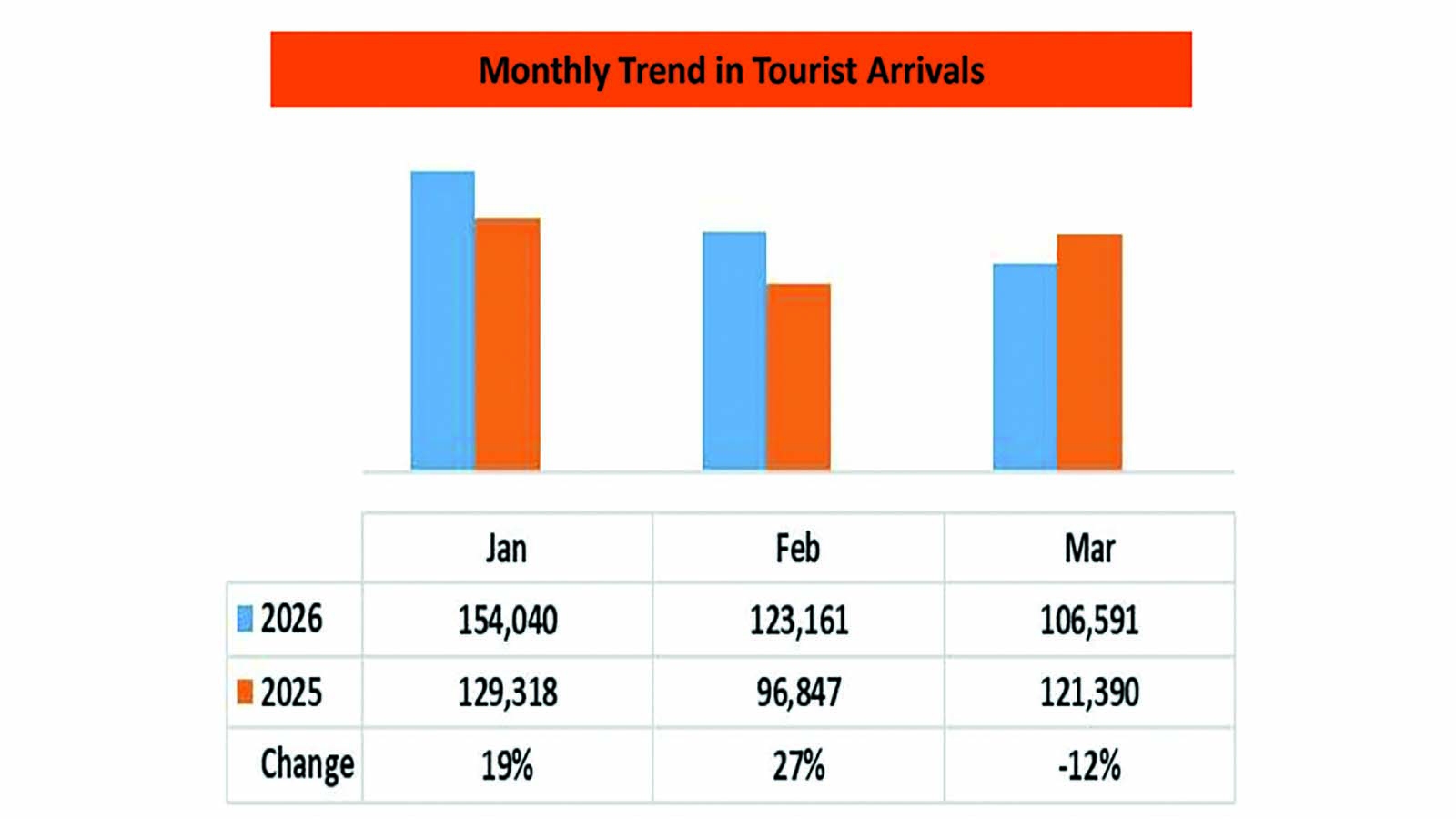
Nqobile Bhebhe
Zimpapers Business Hub
To safeguard its economy against global volatility, Zimbabwe should strategically target regional African markets and decrease its dependence on vulnerable overseas travel segments, according to the Zimbabwe Tourism Authority.
This comes as the regional tourism market remained resilient amid the global geopolitical shocks.
Despite the geopolitical impact on global tourism, Zimbabwe’s travel industry recorded strong growth in the first quarter.
This comes as the First Quarter Tourism Performance Report released by the Zimbabwe Tourism Authority (ZTA) showed that the sector recorded an 11 percent increase in international tourist arrivals to 384 515 in the first quarter of 2026, while tourism receipts rose by 14 percent to US$251 million.
Recent and ongoing geopolitical tensions and disruptions to global air travel have exposed the vulnerability of relying heavily on distant source markets.
The Iran conflict triggered route disruptions, rising fuel costs and reduced inbound tourism by 12 percent as of March 2026, with overseas markets bearing the biggest brunt of the global shock.
The report noted that while long-haul markets remain important due to their higher spending power, regional African tourism demonstrated greater stability during the period, cushioning the sector from more severe losses.
“To strengthen tourism resilience, the sector players should reduce dependence on long-haul overseas markets by more aggressively promoting regional African tourism, which proved more stable,” the report said.
The recommendation is significant given that Africa continues to be Zimbabwe’s largest tourism source market, accounting for 75 percent of total arrivals during the first quarter.
Tourism is one of Zimbabwe’s top economic pillars, consistently ranking as its third-largest economic sector (behind mining and agriculture) and acting as a crucial source of foreign currency and employment.
The industry generates over US$1.2 billion in revenue annually and employs more than 200 000 people across various sub-sectors.
In the review quarter, arrivals from the continent increased by 9 percent to 287 062, showing the strategic importance of neighbouring and regional markets.
“Arrivals from Africa rose by 9 percent, while overseas arrivals grew by 16 percent. The share of overseas markets in the highest-spending segment typically edged up from 24 percent in 2025 to 25 percent in 2026. Consequently, Africa accounted for 75 percent of total arrivals in 2026, slightly down from 76 percent in 2025.”
Strengthening regional tourism could involve enhanced destination marketing campaigns in Southern and East Africa, expanding cross-border tourism packages, improving road and rail connectivity, and leveraging regional aviation networks to stimulate travel.
The report also recommends the development of shock-resilient tourism products capable of withstanding disruptions in international air travel and fuel markets.
“At the same time, developing shock-resilient tour packages such as all-inclusive overland or rail-based itineraries can help mitigate the impact of volatile airfares and fuel costs,” the report added.
Such products are increasingly viewed as critical in an era of recurring geopolitical tensions, supply chain disruptions and fluctuating energy prices, which can quickly alter international travel patterns.
Industry stakeholders believe overland tourism circuits linking Zimbabwe with neighbouring countries such as Zambia, Botswana, South Africa and Namibia could unlock new growth opportunities while enhancing the country’s competitiveness within the regional tourism economy.
ZTA’s report further noted that regional inbound tourism is less affected by long-haul flight disruptions, making it a more dependable growth pillar during periods of global uncertainty.
While the sector’s strong start to the year reflects growing international recognition, improved connectivity and effective marketing efforts, tourism authorities believe future growth will increasingly depend on building resilience and diversifying source markets.
With Africa already contributing 75 percent of all arrivals, industry players need to view the continent not merely as a supplementary market but as a strategic growth engine capable of sustaining the industry when overseas demand weakens.
The report notes that a combination of stronger regional marketing, innovative tourism products and a vibrant domestic tourism market will be essential in shielding the sector from external shocks while supporting long-term sustainable growth.