Online Reporter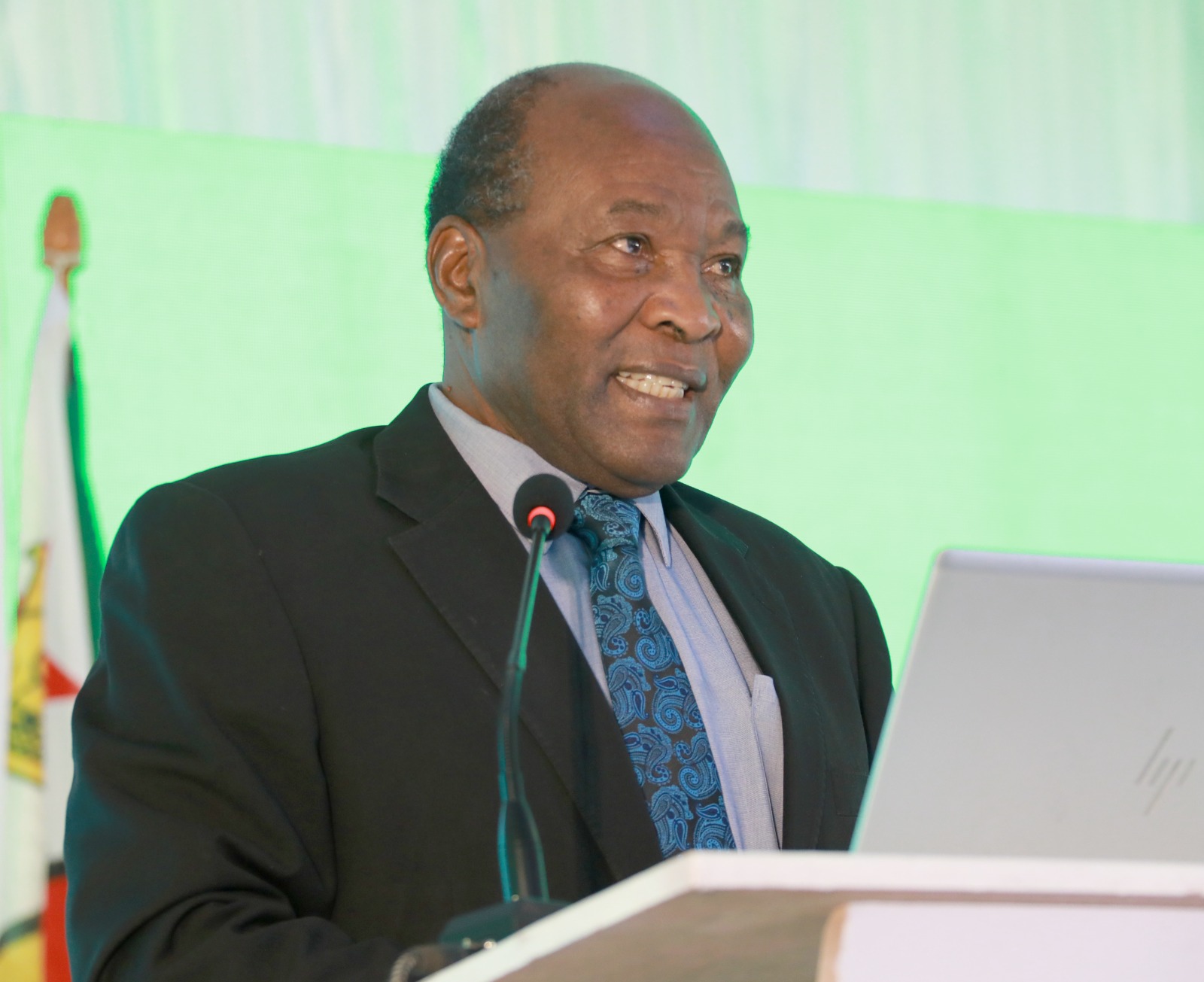
Gibson Mhaka,[email protected]
LOW tax compliance in Zimbabwe’s education sector is largely being driven by lack of information rather than deliberate tax evasion, Zimbabwe Revenue Authority (Zimra) Domestic Taxes Region 2 regional manager Mr Lisani Dube has said.
Speaking at the ongoing Fourth Edition of the National Education Summit Zimbabwe (NESZ) 2026, Mr Dube said many educational institutions were not fully aware of their tax obligations.
The four-day summit, being held under the theme, “From Policy to Practice: Driving Innovation and Investment in Zimbabwe’s Education System,” has brought together about 3 000 delegates from Government ministries, the education sector, development partners, financiers, private sector players and international organisations.
“Compliance on tax in the education sector is not as it would have been expected,” said Mr Dube.
“Yes, some educational institutions are contributing whilst others are not. But we think the main cause of institutions not contributing is not avoidance, but due to lack of information on taxation. Most institutions are not aware of what they are supposed to do.”
Mr Dube outlined key tax obligations affecting educational institutions, including Pay As You Earn (PAYE), Value Added Tax (VAT) and income tax.
“Educational institutions are supposed to pay Pay As You Earn for the employees that they employ,” he said.
“If an employee’s income is above the threshold, which is the US$100 equivalent in ZiG, then tax becomes payable.”
He explained that taxable income is not limited to salaries alone, but also includes allowances and other benefits.
“It’s not only the money given directly to the employee that contributes to the deduction of tax,” said Mr Dube.
“If you factor in transport, food and other allowances and the amount goes above the threshold, then that amount becomes taxable.”
Mr Dube clarified that public educational institutions are exempt from corporate income tax, while private schools and schools owned by companies or individuals remain liable.
“For corporate tax or income tax, institutions of a public nature do not pay corporate tax. They are exempt,” he said.
“But private schools or schools owned by companies or individuals are liable to pay income tax.”
He said Zimra had introduced digital systems to ease compliance and reduce costs associated with tax administration.
“One of the challenges we have met is that payment of tax involves costs and there are high compliance costs,” said Mr Dube.
“That is why we have introduced digitised systems where people can conduct their tax business from their homes or offices without visiting the tax office.”
Mr Dube acknowledged that some people viewed taxation as unfair or lacked confidence in how public funds were utilised, but stressed that taxes were essential for national development.
“People perceive taxation as unfair and they lack trust in how the amounts they pay are used,” he said.
“But these are the amounts used for education, health, road building and everything else.”
He said institutions that comply with tax legislation benefit through improved credibility and avoidance of penalties.
“The advantages of complying with tax legislation include avoiding penalties and garnishments, access to Government grants and funding, and improved institutional reputation and trust,” said Mr Dube.
“Payment of tax is a contribution to development and governance.”
Mr Dube said Zimra was intensifying tax education programmes targeting schools and small enterprises, while promoting voluntary compliance.
“We provide taxpayer education drives targeting schools and small enterprises,” he said.
“We also emphasise voluntary compliance — where someone comes forward before Zimra pursues them.”
He proposed the inclusion of taxation studies in the national curriculum from an early stage to promote awareness of civic obligations.
“I’m not sure whether in teacher training there is a tax module being taught, but our desire is that the school curriculum should also include taxation from a very low level, especially from primary school,” said Mr Dube.
“So that as people grow in the system, they are aware of their obligations to the nation. Taxation is an obligation to the nation.”
Mr Dube also highlighted customs duty concessions available to the education sector.
“Textbooks imported into Zimbabwe are duty-free,” he said.
“All donated educational equipment is also duty-free, provided institutions obtain the necessary approvals from the Permanent Secretary and the Ministry of Finance, which then issues a duty-free certificate.”
Responding to questions on possible reviews of tax legislation affecting education, Mr Dube said Zimra’s role was limited to administering laws enacted by Parliament.
“Zimra is an agent of Government administering legislation passed by Parliament,” he said.
“Any lobbying regarding the review of legislation must be directed to the representatives of the people, the Members of Parliament, not to Zimra.
“We are advisers to Government. We may make recommendations, but ultimately, decisions on legislation lie with Parliament.”