Ray Bande
Senior Reporter
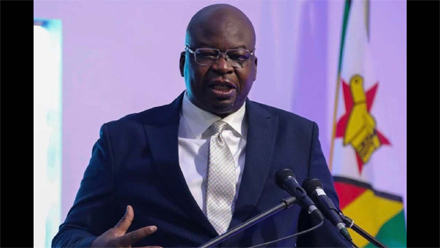
GOVERNMENT can triple civil servants’ salaries by recovering just 20 percent of the value of existing tax exemptions granted to major economic players, Permanent Secretary in the Ministry of Finance, Mr George Guvamatanga has said.
Speaking at a recent Office of the President and Cabinet strategy plan review workshop in Mutare, Mr Guvamatanga questioned proposals to intensify taxation of informal traders, while major economic sectors continue benefiting from tax concessions.
He said Government should first maximise revenue collection from mining, agriculture and construction before deploying Zimbabwe Revenue Authority (ZIMRA) officers to target small-scale traders.
“I also heard the proposals about taxing informal traders. But I think we need to consider certain economic fundamentals before embarking on that. We need to ask ourselves which are the key sectors of our economy — mining, agriculture and construction. Have we exhausted revenue collection from these sectors to the extent that we now want to send ZIMRA officers into the streets to chase small-scale players?
“Before we start collecting tax from the old lady selling tomatoes or the young man selling airtime, have we exhausted all available opportunities to collect from major players with substantial tax obligations?” he said.
Mr Guvamatanga cited an unnamed mining company that allegedly secured a 10-year tax holiday, but operated for only three years before leaving after extracting substantial quantities of lithium.
“At one time, we had one entity that successfully applied for a 10-year tax holiday. They came and mined lithium for three years and disappeared after taking substantial amounts of the mineral.
“The point is that there are too many tax exemptions. If you give me at least 20 percent of the value of existing tax exemptions granted to major players, I can triple civil servants’ salaries overnight,” he said, drawing applause from the audience.
Zimbabwe’s tax exemptions and concessions are governed by several laws, including the Income Tax Act [Chapter 23:06], Finance Act [Chapter 23:04] and Capital Gains Tax Act [Chapter 23:01], alongside relevant statutory instruments administered by the Zimbabwe Revenue Authority (ZIMRA).
The country’s corporate income tax framework provides for a standard rate, alongside exemptions, reduced rates and deductions for qualifying businesses and investors.
Under investment incentive arrangements, eligible investors operating in Special Economic Zones (SEZs) may qualify for tax holidays and reduced corporate tax rates. Certain manufacturing exporters, mining operations and approved infrastructure projects may also benefit from preferential tax treatment, depending on the applicable legislation and investment conditions.
Other concessions target individuals and institutions.
These include tax relief for qualifying elderly people, exemptions relating to registered pension benefits and certain employment-related benefits, as well as concessions for approved charitable organisations, local authorities, registered trade unions, pension funds and educational institutions.
Some infrastructure projects operating under Build-Own-Operate-Transfer (BOOT) and Build-Operate-Transfer (BOT) arrangements, as well as qualifying businesses in designated growth points, may also receive specific tax incentives.
These measures are intended to encourage investment, support selected economic sectors and provide relief to eligible individuals and institutions.