Online Reporter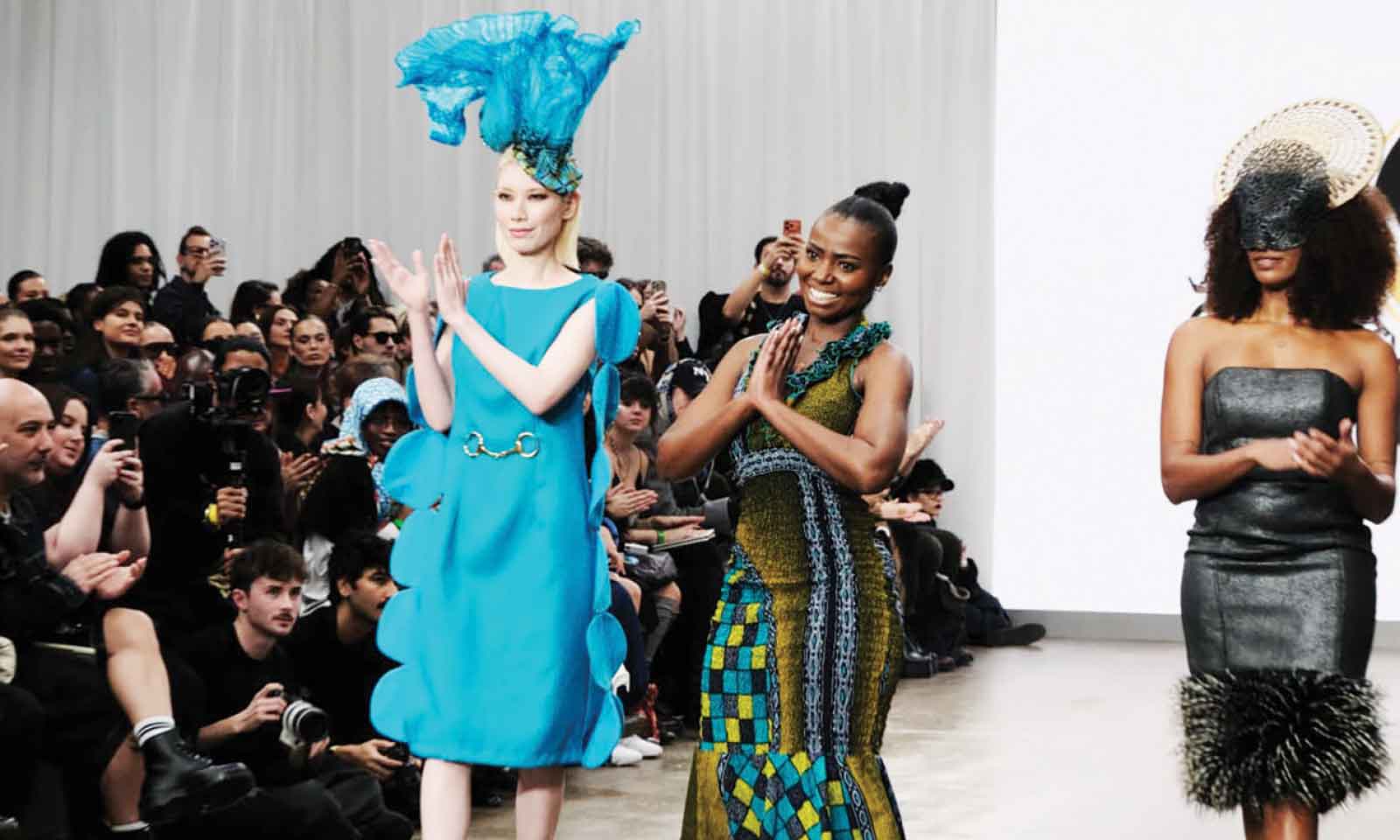
Tafadzwa Zimoyo
Zimpapers Entertainment Editor
When London Fashion Week opened its doors to designers from across the world, one Zimbabwean voice stood out with confidence, depth and authenticity.
Tayamaeca Mahachi Hughes, Harare-born and now living in Liverpool, presented a collection that did not shout for attention but instead invited the audience to pause, reflect and feel.
The fashion show held at Protein Studios began on February 19 and will end today, ran under the theme “An Anthropology of African Stories — The People, The Land, The Stories,” it saw designers from Nigeria, Ghana and Zimbabwe among others taking part.
Showcasing as part of the UDGN Studios presentation titled “An Anthropology of African Stories”, Tayamaeca shared the runway with two other African designers — Twin by Tare from Nigeria and Jermaine Bleu from Ghana.
Together, the trio demonstrated how African fashion can speak in different voices while remaining united by heritage, storytelling and purpose.
For Tayamaeca, the moment marked her London Fashion Week runway debut, an achievement built on years of dedication and persistence.
“This was a very important milestone for me,” she said.
“To come from Harare, to now be based in Liverpool, and to present my work on this platform was deeply humbling. I wasn’t just showing clothes, I was telling a story that comes from who I am and where I come from.”
Her collection was inspired by Safari through a Zimbabwean lens, approached not through familiar visual clichés but through emotion and memory. Instead of relying on obvious animal prints, Tayamaeca explored the feeling of Safari, the stillness of the land, the quiet anticipation, and the reverence that comes with being present in nature.
“I asked myself what Safari actually feels like,” she explained. “For me it’s about calm, respect for the land, and emotion. I wanted people to feel that, rather than simply recognise a print.”
The colour palette reflected this thoughtful approach. Golden browns referenced African sunsets, earthy tones echoed soil and landscape, while deep blues drew inspiration from the African night sky reflecting on water.
“That midnight blue is something very specific to Africa,” Tayamaeca said.
“When the sky reflects on water at night, like along the Zambezi, it creates a visual that you don’t really see in Europe. I wanted to bring that into the collection.”
One of the defining features of her work was the use of sculptural headpieces, which served as the starting point for the designs. Inspired by the interiors and textures of Safari lodges, they anchored the collection and informed the silhouettes that followed.
“The headpieces came first,” she noted. “They carried the strongest African references, and from there the garments naturally evolved.”Presenting an African-inspired narrative within an autumn/winter framework required careful consideration, particularly in fabric choice and construction. Tayamaeca balanced warmth and texture while ensuring the story remained clear and cohesive across seasons. The runway presentation opened with a short video featuring words spoken in Shona, grounding the collection firmly in Zimbabwean identity and setting a reflective tone before the first model stepped out.
“No matter where I am in the world, my inspiration always comes back to Zimbabwe,” she said. “That’s my foundation.”
The show was attended by industry professionals, designers and members of the African fashion community, including representatives from the Fashion Council of Zimbabwe. Chairperson Patience Lusengo, who was present in London, praised the showcase for its collective impact.
“We had a beautiful time at London Fashion Week, attending the UDGN Studios show titled ‘An Anthropology of African Stories’,” Lusengo said. “We saw three shows by the following African designers: Twin by Tare, Tayameaca and Jermaine Bleu. It was an incredible display of African-focused designs that left spectators with a real sense of the continent’s identity, beauty and potential.”
Beyond individual success, the showcase highlighted the value of collaboration and shared platforms. Each designer brought a distinct aesthetic, yet together they demonstrated how African fashion can thrive globally when designers support and learn from one another.
“Seeing how other designers told their stories was inspiring,” Tayamaeca reflected. “It reminded me that there is no single way to represent Africa. We all bring something different, and that diversity is our strength.”
For Tayamaeca, the experience reinforced key lessons — the importance of authenticity, collaboration and consistency.
Her journey from Harare to Liverpool to London is not only a personal achievement, but also part of a broader movement placing African designers firmly within the global fashion conversation.