Online Reporter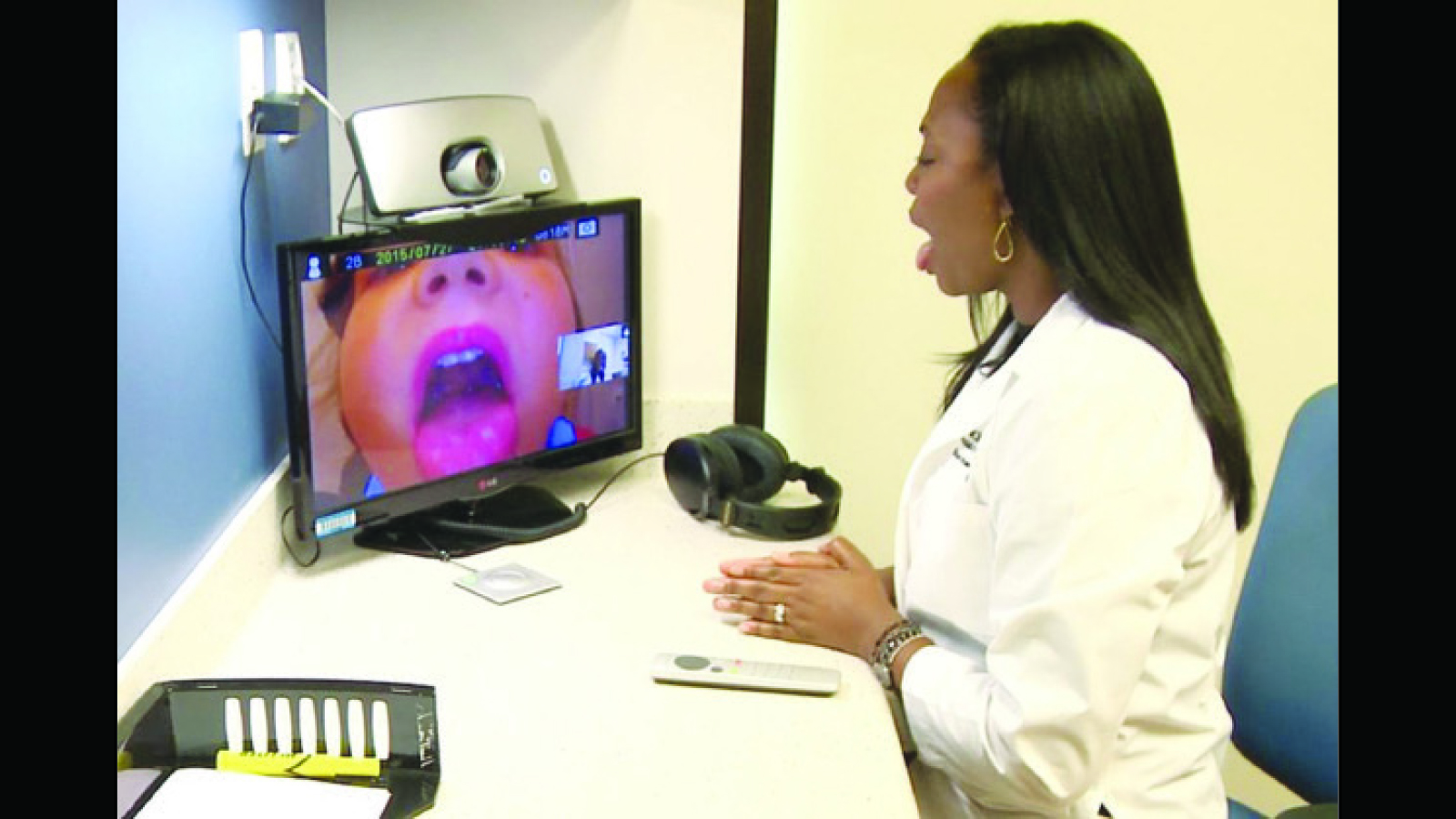
Rumbidzayi Zinyuke
Health Buzz
WHEN Covid-19 struck in 2020, hospitals around the world were forced to rethink the way they provided care.
Physical distancing rules, overburdened health systems and fear of infection made in-person visits difficult for both patients and doctors. Out of necessity, the world turned to digital solutions, and telemedicine emerged as one of the most important innovations in modern healthcare.
In Zimbabwe, the pandemic was a turning point. What was once considered an optional tool is now becoming a cornerstone of the Ministry of Health and Child Care’s digital transformation strategy.
Today, telemedicine is no longer just a futuristic concept; it is a practical reality that is beginning to reshape healthcare delivery for thousands of Zimbabweans.
Telemedicine refers to the use of information and communication technology to deliver clinical services remotely. It allows a patient in rural Gokwe to consult a specialist in Harare without ever leaving their village, or a diabetic in Lupane to receive regular monitoring without making costly trips to Bulawayo. It improves access for those living far from hospitals, reduces congestion at urban facilities and lowers the cost of consultations. For patients with chronic illnesses, disabilities or mobility issues, it means more consistent care and fewer barriers to treatment.
Globally, the use of telemedicine grew exponentially during the pandemic. In the United States, the number of virtual visits jumped by more than 150 percent in just a few months.
In Africa, countries like South Africa and Kenya rolled out virtual consultation platforms to extend care to underserved communities. Zimbabwe was also not left behind and has been taking bold steps to bring digital health to the fore through telemedicine.
Central to this, is the Impilo Electronic Health Records (EHR) platform, a locally developed system that digitises patient records and connects facilities across the country.
Introduced in 2016, Impilo is now operational in more than 1 250 facilities across all ten provinces, supported by Government investments that have exceeded US$4,5 million in hardware and deployment.
To date, the about 60 percent of sites are fully functional, with the system enabling real-time reporting of patient data, monitoring of medicine stock levels and tracking of service delivery.
The Impilo platform is complemented by a broader ecosystem of interoperable tools connected through a National Health Information Exchange (HIE) framework.
As part of the Impilo initiative, several related applications and modules have been developed to further strengthen the health system and engage stakeholders.
These include the Impilo Engage, a platform for client feedback and patient-provider communication, enabling telehealth services and the Impilo Fundo, an e-learning and training platform for health workers. Other Impilo modules include Impilo Vax for immunisation and vaccine management, the Impilo Travel Health, for traveller screening and records at ports of entry as well as the Impilo Home and Impilo Mobile. Each of these tool shares data through the platform, ensuring a seamless patient record across services and devices.
Building on this digital backbone, the Ministry has piloted Impilo Engage in Gokwe North, which allows patients to use a smartphone to interact with healthcare providers, report symptoms and receive referrals without stepping into a clinic.
The director of Informatics and Data Analytics, Dr Simukai Zizhou, calls the development transformative.
“Digital health transformation has come in as a game changer and we are embracing the digital tools that are coming in, including artificial intelligence, particularly in our telemedicine platform. This will not only save you time but it will cut the costs,” he said recently.
These initiatives are particularly important in rural Zimbabwe, where access to healthcare has historically been a challenge. Many rural clinics are understaffed, with shortages of doctors, nurses and specialists. Patients often travel long distances, sometimes over 50km, to access even basic services.
It saves patients the cost of transport and accommodation while ensuring faster interventions for conditions that require immediate attention. At the same time, urban hospitals are benefiting from reduced congestion, freeing doctors’ time for more complex cases.
Policy support has been crucial in sustaining these gains. The National Digital Health Strategy (2021–2025) outlines the country’s roadmap for integrating digital platforms into healthcare delivery, while the Data Protection Act of 2021 strengthens trust by safeguarding patients’ personal information.
To overcome infrastructure gaps, the Government and partners have rolled out the Solar for Health initiative to ensure uninterrupted power at more than 1000 health facilities across the country and the licensing of Starlink has expanded internet access to remote parts of the country.
Early signs suggest that both patients and providers are warming to telemedicine. In one 2020 study, 94 percent of obstetrics and gynaecology patients reported satisfaction with virtual consultations during lockdown. Among healthcare workers in Harare, one in five reported using video consultations by 2023, a figure expected to grow as connectivity improves.
Still, challenges remain. Public awareness and trust are not yet universal, and many patients remain hesitant to consult virtually, especially when it comes to sharing sensitive health information online. Connectivity in remote areas remains uneven, while power outages still disrupt services despite solar back-up systems.
Clinically, telemedicine cannot replace physical examinations, laboratory diagnostics or emergency procedures, raising concerns about misdiagnosis if patients fail to describe symptoms accurately or if connections drop mid-consultation. Training health workers to use these systems effectively is another area where investment is still needed.
Looking ahead, Zimbabwe’s telemedicine ambitions go well beyond simple video calls. The ministry is working to integrate artificial intelligence into Impilo Engage, enabling patients to input symptoms and receive preliminary guidance on possible conditions before being triaged to the right level of care.
Plans are also advancing for a Zimbabwe Health Information Exchange, which will harmonise data from both public and private providers, giving policymakers a more accurate picture of health system performance and costs.
In the long run, the system will allow Zimbabweans to carry digital health records across borders, ensuring continuity of care in countries like South Africa, Botswana and Zambia.
Experts agree that it should be seen as a complement, not a substitute, for traditional care. They say the best approach is a hybrid model, where virtual platforms are used for routine check-ups, follow-ups and minor ailments, while hospitals continue to handle complex and emergency cases.
If managed well, this balance could improve patient satisfaction, reduce costs and transform the efficiency of the entire health system.
Telemedicine in Zimbabwe has shifted from being a stopgap measure during the pandemic to becoming a central pillar of the country’s digital health revolution. With the right investment in connectivity, patient awareness and health worker training, it could equalise access between rural and urban populations, strengthen resilience and leave an enduring legacy of innovation in healthcare delivery.
Feedback: [email protected]