Coach Molly Chuma
Grooming Correspondent
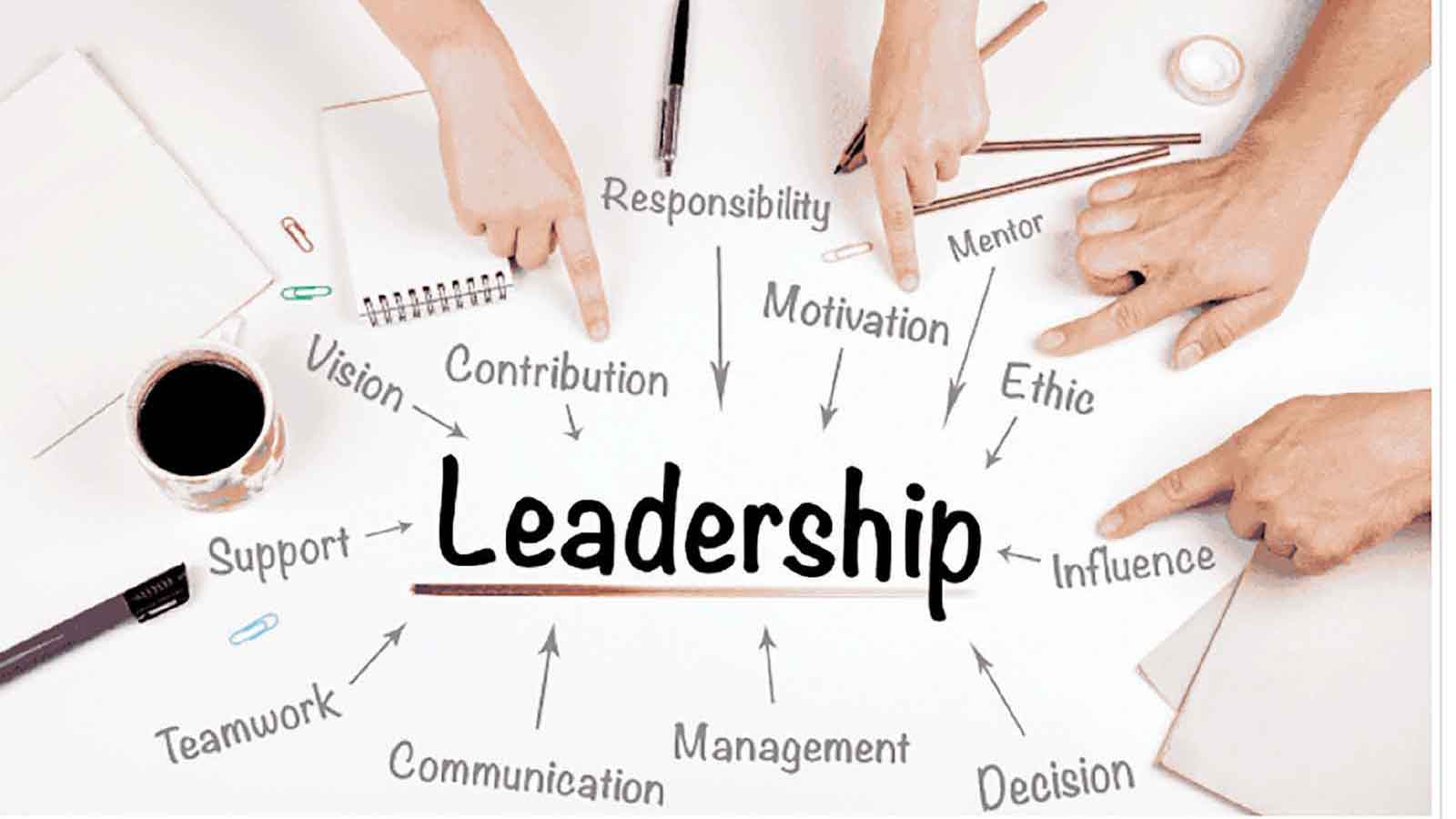
LEADERSHIP is often associated with authority, influence, decision-making and the ability to inspire others, yet holding a position does not automatically make someone a good leader.
True leadership is reflected in everyday conduct—particularly in how a person treats others when exercising authority—making etiquette essential in business, government, schools, churches and community organisations.
Leadership etiquette refers to the manners, values and behavioural standards guiding how leaders interact with people.
Rather than appearing important or demanding special treatment, it centres on using influence responsibly, communicating respectfully and fostering an environment where others feel valued.
Respect should be the foundation
Good leaders understand that respect is not reserved for senior colleagues or influential figures; it extends to everyone regardless of position, age, qualifications or financial status.
How a manager treats a receptionist, a director treats a junior employee, or a community leader treats a volunteer reveals their true character.
Small gestures—greeting people, acknowledging contributions and addressing individuals courteously—communicate dignity.
Conversely, leaders who humiliate staff, dismiss opinions or rely on intimidation stifle participation. Respect does not mean avoiding difficult conversations, but rather addressing challenges without attacking someone’s dignity.
Communicate with clarity and consideration
Leaders must give clear instructions, listen attentively and offer constructive feedback. Shouting, sarcasm, public embarrassment and aggression are not signs of strength.
When correcting poor performance, hold the discussion privately; public humiliation damages confidence and workplace relationships.
Effective leaders also avoid monopolising meetings or assuming rank equates to having all the answers, instead creating room for questions and alternative perspectives.
Understand the power of punctuality
Time management is an often-overlooked pillar of leadership etiquette. Consistently arriving late, cancelling appointments without explanation or keeping people waiting sends the message that a leader’s time is more valuable than everyone else’s.
Punctuality demonstrates discipline and consideration. When delays are unavoidable, communicating early and apologising where appropriate should be standard professional practice.
Exercise authority without arrogance
Leadership brings responsibility, not entitlement, and a title never excuses demanding privileges or dodging accountability.
Confidence enables a person to make decisions and own the outcomes, whereas arrogance assumes positional superiority.
Leaders must also refrain from exploiting confidential information, personal relationships or organisational resources for personal gain. Integrity must remain consistent, even when nobody is watching.
Give credit and accept responsibility
Admirable leaders recognise others’ contributions rather than claiming credit for team achievements while shifting blame during setbacks.
Celebrating milestones and acknowledging effort builds morale, while taking ownership of mistakes fosters trust instead of resentment.
Saying, “I was wrong,” demonstrates maturity, not weakness.
Practise professional and digital etiquette
Leadership conduct extends beyond the boardroom into emails, WhatsApp groups, virtual meetings and social media.
Leaders should avoid sending aggressive messages, leaking confidential conversations or criticising colleagues publicly online.
Always be mindful of tone in digital correspondence, consider how public posts reflect on your office, and remember that off-duty behaviour still shapes public confidence in your institution.
Be approachable, yet maintain boundaries
Approachability does not mean becoming everyone’s friend or abandoning professional boundaries; it means remaining accessible enough for people to raise concerns without fear.
Treat colleagues consistently, avoid favouritism and base decisions on fairness rather than personal ties.
When difficult decisions are necessary, communicate them honestly and respectfully.
Ultimately, leadership etiquette is not defined by expensive suits, impressive offices or commanding a room, but by the character shown when wielding influence.
People may forget a leader’s title, yet they rarely forget how that leader made them feel.
Effective leaders pair authority with humility, confidence with compassion and ambition with integrity—recognising that the true measure of influence is not how many people obey you, but how many grow under your guidance.
Coach Molly Chuma is an author, grooming and etiquette coach, confidence mentor and leadership development trainer. She is the founder of The Luminary Institute of Leadership and Etiquette and a weekly Herald columnist. Through her work, she equips individuals, schools and organisations with practical skills in etiquette, professionalism, personal branding and confident communication. Coach Molly is passionate about making etiquette accessible, practical and relevant to everyday life. For training, coaching and speaking engagements, contact +263 771 496 175.