Online Reporter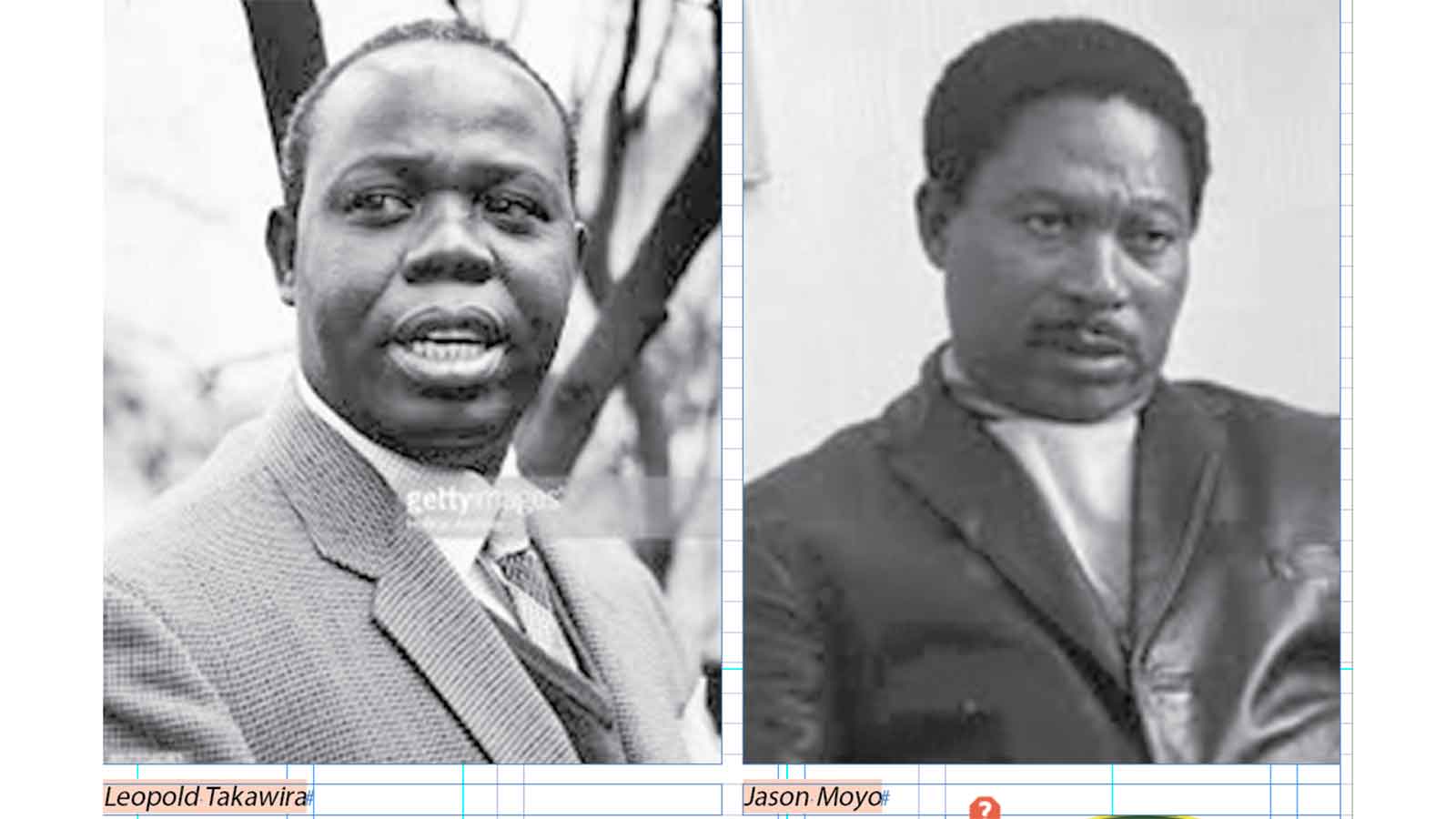
MacDenias Moyo
HEROES Day is the solemn drumbeat of our nation’s soul.
It is the day when Zimbabwe remembers that freedom was not handed down by benevolent colonisers, but wrested from the jaws of imperialism through sacrifice and blood.
It is the day when the voices of Nehanda and Kaguvi echo across the valleys, reminding us that the bones of the oppressed did indeed rise; that the cry of Chimurenga was not silenced and that sovereignty was reclaimed by a people who refused to bow before the whip and the gun of Rhodesian settler rule.
The First Chimurenga was the primal roar of a dispossessed people.
It was an uprising against the theft of land, the desecration of culture and the humiliation of being reduced to strangers on ancestral soil.
Nehanda’s immortal words were not poetry, but prophecy – a covenant that the struggle would continue until dignity was restored.
The Second Chimurenga was the fulfilment of that vow.
It was the war against segregation, brutality and racial inequality.
It was the struggle to restore the right to vote, end the tyranny of minority rule and establish a republic in which the Black majority would determine its own destiny.
Joshua Nkomo declared that unity was the cornerstone of liberation. Robert Mugabe, in 1980, reminded the nation that “we shall forever remain indebted to those Zimbabweans whose names appear on the Rolls of Honour”.
Josiah Tongogara envisioned a Zimbabwe where the gun would give way to the ballot, and where sovereignty would be defended not only by arms, but also by the will of the people. Herbert Chitepo, Jason Moyo, Leopold Takawira and countless others etched their names into the granite of history, their sacrifices immortalised in the soil of Zimbabwe.
The First Republic carried the torch of independence by enshrining universal suffrage, reclaiming land and asserting sovereignty in the face of external pressures.
The Unity Accord of 1987 was a monumental act of reconciliation, strengthening the Republic against fragmentation and affirming Zimbabwe as a unitary State, indivisible by tribe, ethnicity or creed.
Today, under the stewardship of President Mnangagwa, the Second Republic has sought to deepen these gains.
The overwhelming endorsement of Constitutional Amendment Act No. 3, according to its proponents, demonstrates that Zimbabweans across the political divide continue to rally behind unity, sovereignty and constitutionalism.
Despite what the Government has consistently described as regime-change agendas, sanctions and attempts to destabilise the Republic, Zimbabwe has continued to develop its democratic institutions.
Elections have been held consistently, universal suffrage has been preserved and Zimbabweans have continued to determine their own political future.
The resilience of Madzimbabwe is reflected in the nation’s refusal to allow adversity to define its destiny.
Guided by faith and resolute leadership, ZANU PF, according to its supporters, has ensured that the Republic remains intact despite external pressures and attempts at destabilisation.
Heroes Day is not merely a ritual of wreath-laying and speeches, but a covenant renewed each August.
It is a reminder that sovereignty is sacred, unity is non-negotiable and the sacrifices of the fallen demand vigilance from the living.
It is a day to reaffirm that Zimbabwe shall never be a colony again; that the Republic shall endure and that the vision of Nehanda and Kaguvi, Nkomo and Tongogara, Mugabe and Chitepo will continue to inspire the nation’s spirit.
As we approach Heroes Day, let us embrace the spirit of resilience, unity and sovereignty.
Let us remember that the Republic was born of sacrifice, nurtured through struggle and sustained by vigilance.
Zimbabwe is a nation guided by God, defended by its people and steered by leadership committed to safeguarding its sovereignty.
The bones have risen, the Republic endures, and the covenant of Chimurenga remains unbroken.