Online Reporter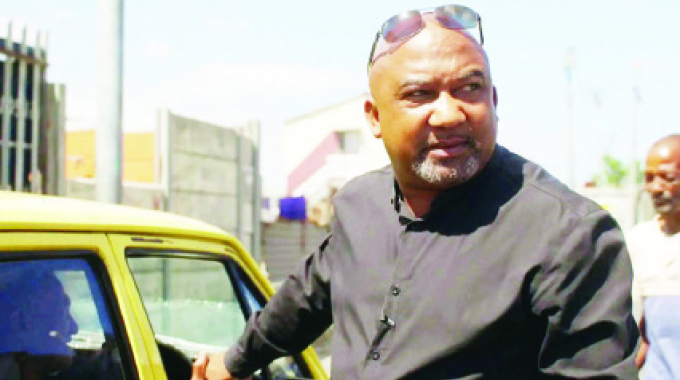
CAPE TOWN. − Amid the bloodshed in Cape Town being caused by gang violence, there are some people trying to tackle the issue.
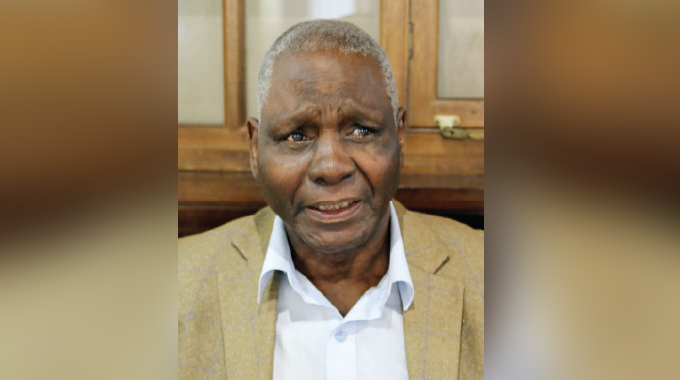
Fifteen kilometres (nine miles) away from Wesbank is Hanover Park where Pastor Craven Engel is glued to his mobile phone almost all day, every day in his quest for peace.
His mission is to mediate in gang conflicts to stop this violence and the killings, fuelled by the lucrative trade in drugs.
He and his team try to follow a basic formula: detection, interruption and changing mindsets.
“Hanover Park doesn’t really have an economy to speak of,” says Pastor Engel. “The bulk of the economy comes out of the drug culture. That’s the biggest economy.”
Pastor Engel says that apartheid’s impact on the area can’t be overlooked but neither can generational trauma − manifested as drug addiction and then family breakdown.
“The substance [drug] creates unemployment, the substance creates robbery, it creates gang fights because of turfs. So, the substance sits in the middle of so many of the atrocities within the community,” says Pastor Engel, who estimates that around 70% of local children are living with some kind of addiction.
This community of around 50,000 people has to endure shootings and stabbings almost daily. And it’s often young people who are doing the killing and being killed.
“How does a kid get shot seven times in his head or three times in his back? How does a stray bullet hit a kid?” asks Pastor Engel.
On his phone, he calls up community leaders and gang kingpins, constantly cajoling to try and head off the violence.
When BBC Africa Eye visits him he is trying to broker a ceasefire between two warring gangs − and manages to reach the jailed leader of one of them.
“If I want something to happen then it still happens. Do you understand pastor?” the gang boss shouts down the line. “But I can tell you one thing. I’m a guy that likes to counter if I come under fire.”
But Pastor Engel is relentless.
He is highly visible in his community, whether in the home of a parishioner or before his large and loud congregation in the pulpit on a Sunday.
“I think that what makes it very, very terrible now is there are more children involved in the gangs, because gangs are recruiting between the ages of eight and 15 years old,” he says.
The programme he runs used to get government money, but that has dried up. To cut off the supply lines and protect the innocent, he will meet victims and perpetrators anywhere and at any time.
He also sends rehabilitated gang members to negotiate directly with warring factions. Those who lived a life on the edge of death know how critical it is to push for peace instead.
Glenn Hans is one such person. He is meeting rival gangs to convince them to honour a ceasefire.
“I was also in this game. As long as you make a decision that you want to be a better person. That’s all,” he tells a group of gang members.
One has a chilling response: “The more we kill, the more ground we seize and the more ground we have, the more we can build. So, for me to speak about peace − I cannot make that decision because it’s not my decision to ensure peace.” − BBC