Online Reporter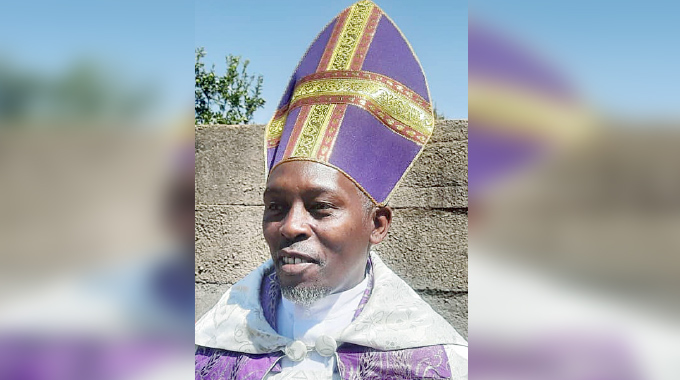
Gibson Mhaka, Senior Features Writer
TEENAGE pregnancy among girls aged between 12 and 19 remains one of Zimbabwe’s most pressing social challenges, with far-reaching consequences for individuals, families and the wider society.
According to the United Nations, teenage pregnancy has risen sharply from nine percent in 2016 to 23.6 percent in 2023. These statistics are consistently linked to a host of devastating consequences, including school dropouts, cycles of poverty, and increased vulnerability to gender-based violence.
The Ministry of Health and Child Care has reported cases of girls as young as 12 giving birth, highlighting the severe physical and mental health risks associated with early pregnancy, such as increased mortality, depression, low self-esteem, substance abuse and anxiety.
This crisis demands urgent and comprehensive action.
While strategic interventions such as sexual and reproductive health education in schools have been identified as key to addressing the issue, an often-overlooked resource is the church.
Churches can play a vital role in preventing teenage pregnancy by providing comprehensive sex education, fostering healthy relationships, and offering support and resources to young people navigating the complexities of adolescence.
Bulawayo Provincial Affairs and Devolution Minister Judith Ncube recently raised alarm over the escalating crisis of teenage pregnancies and drug abuse among young people, urging the church to strengthen its role in safeguarding the nation’s future.
Speaking at the ordination of 52 bishops from the Council of Churches in Africa (CCA) at the Bulawayo Large City Hall, Minister Ncube warned that without urgent and collective action, the country risks losing a generation to early motherhood and substance dependency.

“The future of our children is in danger. For example, here in Bulawayo, there is a rising number of child pregnancies, with the youngest mother being under 13 years of age.
“Statistics show that from January to date, we have recorded over 500 teenage pregnancies, and it is a tragedy to imagine someone so young becoming a mother. We must unite to fight this,” said Minister Ncube.
She emphasised that churches, with their moral authority and grassroots reach, are well-positioned to complement Government efforts to protect the youth.
“We are calling on the church and its representatives to join hands with the Government so that we can make our country proud by tackling this scourge of teenage pregnancies,” she said.
In a clear response to this call, the President of the CCA, Bishop Dr Rocky Moyo, pledged that the council would mobilise its structures to combat the teenage pregnancy crisis.
Dr Moyo, who also addressed the issue at the recent ordination of Archbishop Paul Simetch Ndhlovu of the Spirit Angels of God Church in Njube suburb, Bulawayo, said the church can play a vital role in providing teenagers with accurate and up-to-date information about the risks and consequences of teenage pregnancy.
He added that the church can also offer support and resources to teenage parents, who often face unique challenges, including financial instability, limited educational opportunities and social stigma.
“We have been facing problems with teen pregnancies and early child marriages since the 1990s, and this issue is re-emerging, especially in Bulawayo.
“The problem is exacerbated by the fact that many parents are in the diaspora, leaving their children without adequate supervision. In response, we as a church are actively engaging with the youth and have created a collaborative engagement with the Government and other churches.
“Our goal is not to eradicate the problem immediately, but to control early pregnancies. While we continue to teach the Bible and offer prayers, we are also engaging with many groups.
“We were once afraid to talk to children about engaging with men, but we have since realised that by avoiding this subject, we are doing them a great disservice. We are now putting systems in place to address this,” said Dr Moyo.
He said the church can provide counselling and support groups for young parents, helping them navigate these challenges and ensuring they have access to the necessary resources and support networks.
“By offering practical assistance such as parenting classes, job training, or help with childcare, the church can support teenage parents in overcoming barriers and creating a stable and healthy environment for their children.
“This is why we are going church by church. As we do ordinations like today’s, we are also teaching the youth about their responsibilities. We are also hosting youth sports galas, where we bring them together to talk about the dangers of early sex.
“We have discovered that sports are a powerful tool to unite them, enabling us to understand what might be missing in their lives so that we can help them.
“Furthermore, we are returning to the old system of directly engaging parents, getting to know each child, and providing guidance.
“We want to bring back the principle that if a parent sees a child doing wrong, they must get involved. These are the steps we are taking as a church to protect our children and our communities,” said Dr Moyo.
Bishop Ndangariro Dube of the Spirit Angels of God Church in Beitbridge, Matabeleland South Province, noted that teenage pregnancies are prevalent in Beitbridge District, where many families are headed by children whose parents have gone to work in neighbouring South Africa.
“We feel that although there are a lot of programmes being rolled out by the Government and private sector, we as a church have a big role to play,” said Bishop Dube.
“As the church, we can also serve as a platform for testimonies and examples from individuals who have experienced the consequences of teenage pregnancy first-hand.”
Bishop Dube added that by inviting young parents to share their stories, the church can provide teenagers with a tangible understanding of the challenges and realities of early parenthood.
“These personal accounts can have a powerful impact on teenagers, helping them to understand the long-term implications of their choices and motivating them to make responsible decisions regarding their sexual health,” he said.
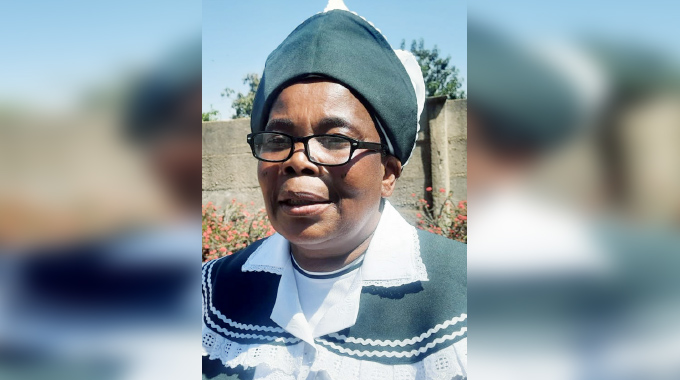
From Botswana, Reverend Monica Masendeke of the Spirit Angels of God Church said the church can play a crucial role in educating teenagers about the risks and consequences of teenage pregnancy.
“By providing comprehensive and evidence-based information, promoting abstinence or responsible sexual behaviour, offering support to teenage parents and sharing personal testimonies, the church can help prevent unwanted pregnancies and ensure that young people have the knowledge and resources they need to make informed decisions about their sexual health.
“By actively engaging with teenagers and their families, the church can contribute to the overall well-being and future prospects of young people in their lives,” she said.
It is clear that despite the gravity of this crisis, the combined efforts of the Government and the church offer a powerful beacon of hope.
By recognising the church as a crucial partner in this fight, Zimbabwe is leveraging a trusted institution with deep grassroots reach and moral authority.
This collaboration moves beyond traditional approaches, creating a holistic strategy that not only addresses the alarming statistics but also tackles the underlying social and psychological factors driving them.
The widespread commitment from religious leaders signals a unified front determined to reclaim the future of the nation’s youth from the scourge of early pregnancy and substance abuse.
The path forward is clear: to sustain and expand these collaborative interventions.
The church’s vital role in providing a safe space for dialogue, education and tangible support — from counselling to job training and a return to strong parental engagement — is essential for creating lasting change.
This renewed partnership between the state and faith-based organisations is a testament to the nation’s resolve.
Ultimately, it is this collective responsibility that will empower young Zimbabweans to make informed decisions, break the cycle of disadvantage and secure a brighter future for generations to come.