Online Reporter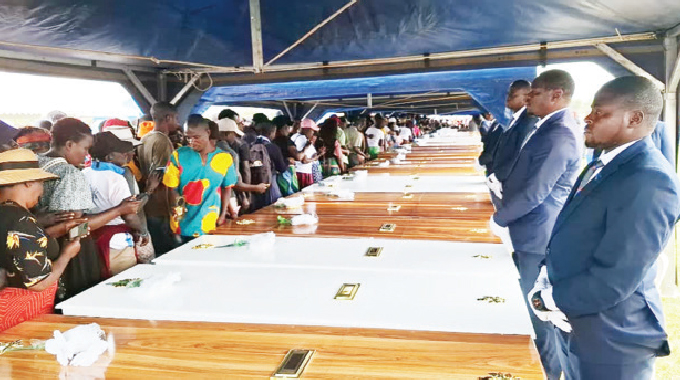
Freeman Razemba
There is a kind of silence that descends on a lakeside town when the water gives back what it has taken. It is not the silence of peace. It is the silence of mouths frozen mid-scream.
It is the silence of mothers who have run out of tears. It is the silence of a father watching his two-year-old son’s body drift on the surface of Lake Kariba through a grainy video on a phone screen.
This is the silence that now haunts Kariba.
President Mnangagwa has since declared the tragedy a State of Disaster.
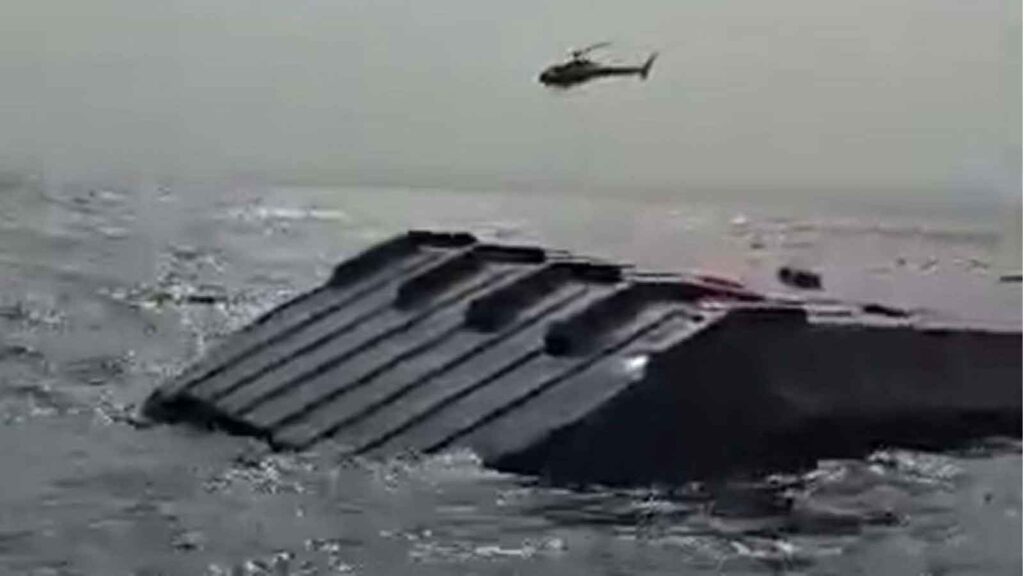
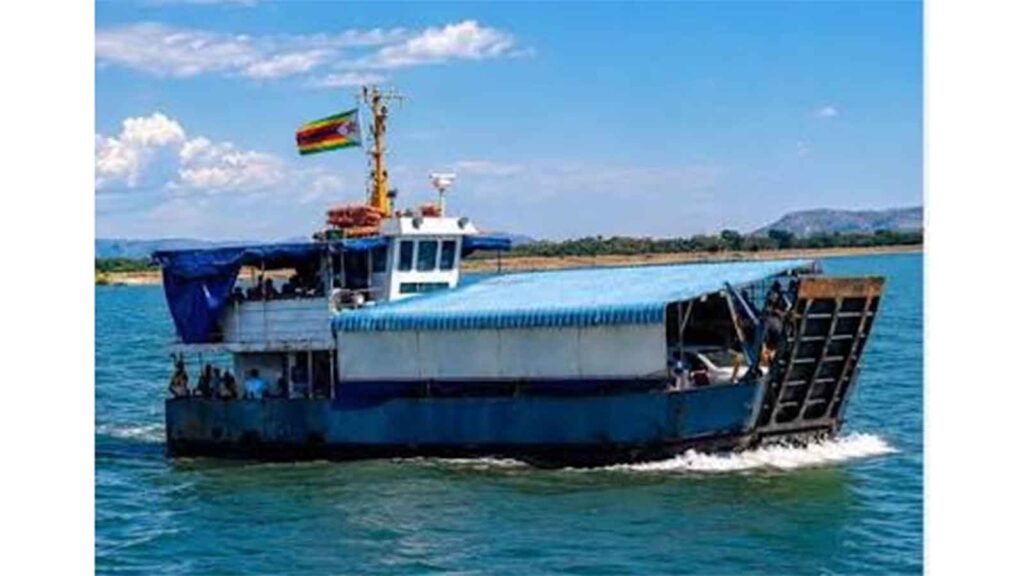
When the Mbuya Nehanda ferry capsized near Long Island on a Tuesday afternoon that should have been ordinary, it did not simply sink a vessel. It drowned futures. It erased names that had just been written on birth certificates.
It tore apart the invisible thread that connects a grandparent to a grandchild — a thread that was meant to be strengthened by a visit to Chalala, not severed by the cold, indifferent depths of Africa’s
largest man-made lake. At least 17 children are among the 46 souls retrieved so far.
Their ages range from just one year to 10. One-year-old Wendy Ndandarika. One-year-and-two months-old Hailly Tauro. Two-year-old Mukudzei Kangwara, who became a viral ghost before his father could hold him one last time. These are not just numbers.
They are small hands that will never reach for their mothers again. They are tiny feet that will never run through the dust of village paths. They are voices that will never call out “Grandma!” again.
Although the nation grieves with Kariba, for the families huddled at Kariba District Hospital, still waiting, still hoping, still praying that the lake will give back the bodies of their loved ones, no amount of consolation can stitch together the torn fabric of their lives.
This is their story. This is a nation’s grief.
There are moments in life that define everything that comes after. For Mr Marshall Kangwara, that moment arrived not in a hospital room, not in a formal notification from authorities, but through the cold glow of a smartphone screen.
A video was circulating on social media. In it, a small body floated on the surface of Lake Kariba.
The tiny limbs were limp. The face was turned away from the camera. But a father knows his child. Marshall Kangwara knew.
His son, Mukudzei — just two years old — had been found.
“I watched it and I knew,” he whispered, his voice cracking under the weight of a grief that no words can carry. “I knew it was him.”
He had put his son on that boat. He had kissed that small forehead. He had told him to be good for his mother. And now, he was seeing his child’s final moments immortalised in a video shared by strangers.
His only remaining hope — the fragile, desperate hope that keeps a parent breathing — was that his wife might still be alive. But as the hours passed and the lake continued to release its dead in slow, cruel increments, that hope began to wither.
His wife’s body remains unrecovered.
She is still out there, somewhere beneath the dark waters, waiting to be found. Waiting to come home.
“I will wait,” Marshall told relatives. “I will wait until she comes back to me.”
But waiting, when the lake is vast and the water is deep, is a form of torture that breaks the spirit slowly, one hour at a time.
At Kariba District Hospital, another man waits.
Mr Phineas Sianjema has already lost his niece. Her body was retrieved from the lake, cold and still, her journey cut short. But there is no time to mourn her yet. Because Phineas is still waiting for two more.
His three-year-old son is missing.
His late sister’s three-year-old daughter is missing.
They were all travelling to Chalala together. A family trip. A visit to grandparents.
The kind of journey that happens a hundred times a year in this part of Zimbabwe. It was supposed to be filled with the chatter of children, the smell of food packed for the road, the excitement of arriving at a home where hugs and stories awaited.
Instead, the children are somewhere beneath the surface of Lake Kariba. And Phineas cannot bring himself to leave the hospital.
He sits, he waits, he stares at the door, hoping — praying — that someone will walk through it carrying his son.
“They were just visiting their grandparents,” a relative told reporters, her voice trembling. “That’s all they wanted to do. Visit their grandparents.”
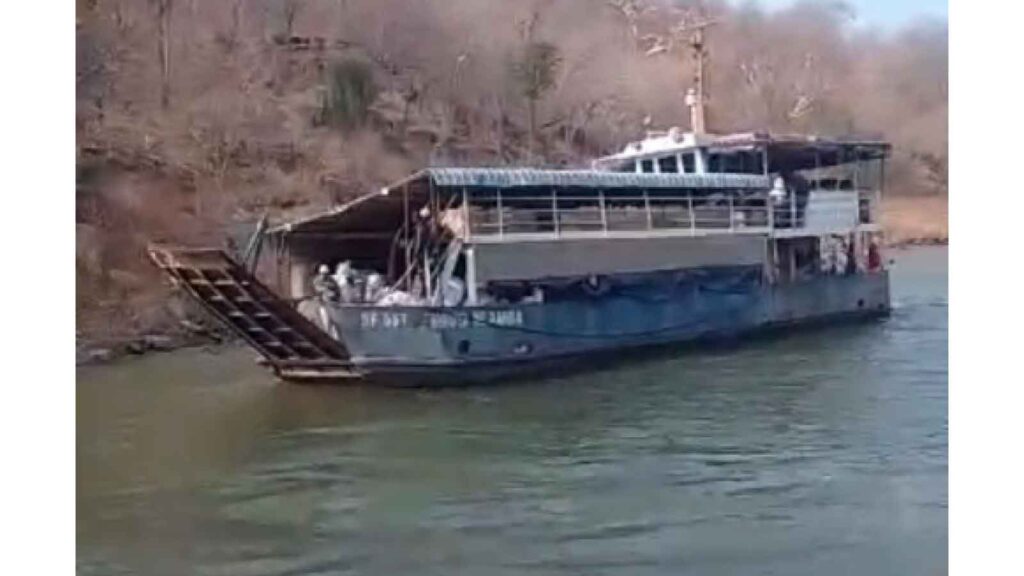
The Mbuya Nehanda ferry was no stranger to Lake Kariba. It had made this journey before. It had carried the hopeful, the dreamers, the families seeking connection.
But on this Tuesday afternoon, the lake had other plans.
The vessel, formerly under the Department of District Development Fund and now run by the Rural Infrastructure Development Authority (RIDA), was caught by strong winds locally known as the
“Binga Wave.” On the leg from Kariba town to Chalala Fishing Camp, water began pouring through the cabin.
Video footage taken moments after departure is haunting to watch. The boat is already labouring in choppy waters, rocking dangerously, listing to one side.
The local weather bulletin had predicted calm conditions. But it had also warned of strong winds.
Those conditions arrived. And the ferry was not prepared.
National police spokesperson Commissioner Paul Nyathi released the names of 44 victims who have been identified by their next of kin. Each name is a story. Each name is a life that was loved.
The Captain:
Sign Patsikadova (59) went down with his ship. He was a man of the lake, a seasoned mariner who had navigated these waters countless times. He had a family waiting for him on shore. He never made it home.
The Women:
Hazvinei Chasara (39), Spiwe Aggiffa Katore (61), Plaxedix Madiro (42), Chipo Muzinda Chitsamba (37), Debra Chadenga (49), Isabel Sango (50), Ratidzai Tasara (50), Precious Nyajina (57), Constance Siampongo (37), Daisy Siachiwa (23), Luoisa Kayi (24), Susan Muntanga (41), Moleen Mandirera (34), Petronella Lembani (26), Memory Chaka, Lucia Mereki, Shupikai Makawu, Enita Mazhomba, Tamari Matsangu, Keresiya Dhumbura (40).
These were mothers, daughters, sisters, friends. They were the anchors of their families. Now they are gone.
The Men:
Smart Siamandonga (54), Permission Nzerombairi, Sabhuku Zvamoyo, Gomo Tapiwa (39), Handespike Charindapanze (54), Marven Dope (46), Cain Nzerombairi, Average Murambatsvina.
They were providers, protectors, the ones who worked hard to put food on the table. Their families are now left without them.
The Children:
Here, the heart breaks. Here, words fail.
Shelton Magora (10) – He should be in school, learning, playing, dreaming of what he would become.
Shalom Ndere (9) – Nine years old. Old enough to have favourite foods, favourite games, favourite dreams. Too young to die.
Mukudzei Kangwara (2) – Two years old. His father saw him floating on a phone screen. No parent should ever have to see that.
Olain Siyachuka (2 years 7 months) – Just learning to talk. Just learning to laugh. Her voice is silent now.
Kelly Busumani (4) – Four years old. She had a whole life ahead of her. It ended in the water.
Alubo Nzira (6) – Six years old. She had made it to school age. Her classmates will notice her absence.
Wishmore Charindapanze (4) – Four years old. His name meant “wish for more.” His family wishes for more time.
Mcdonald Nyasha Gumpo (1 year 2 months) – A baby. He was barely crawling. He should be in his mother’s arms, not in a morgue.
Anisha Chipuma (6) – Six years old. She had dreams, even if she didn’t know how to name them.
Lael Samanyanga (1 year 6 months) – A toddler. His grandparents were waiting for him. They will wait forever.
Patience Ndebele (3) – Three years old. Her name was Patience. Her family will need that now.
Connic Mutale (2) – Two years old. He will never see his third birthday.
Hailly Tauro (1 year 2 months) – Another baby. Another life too small, too fragile, too precious.
Wendy Ndandarika (1) – Just one year old. She had barely begun.
Nashrey Pensula (5) – Five years old. A kindergartner. Her laughter is gone.
Anashe Pensula (3) – Three years old. His sibling was with him. They are both gone.
Seventeen children. Seventeen futures erased. Seventeen families shattered.
The waters of Lake Kariba have not yet given up all their dead. More bodies remain beneath the surface. More families remain in torment.
Commissioner Nyathi confirmed that identification of the remaining recovered bodies is still in progress.
The Zimbabwe Republic Police is working with relevant stakeholders and the affected families.
Search teams are still out there, braving the same waters that claimed the ferry, hoping to bring closure to those who are still waiting.
Survivors were taken to Mahombekombe Primary School Command Centre for medical attention.
For them, the trauma will never fully heal. They will hear the screams in their sleep. They will see the water rising in their nightmares. They will carry the guilt of survival.
A Nation Mourns
There is a particular kind of grief that grips a nation when it loses its children.
It is not the grief of one family or one village.
It is a collective sorrow, a shared wound that refuses to heal.
Lake Kariba has always been a place of beauty — a place of fish and sunsets, of peace and stillness. Now it is also a graveyard. Every ripple on its surface carries a memory. Every wave whispers a name.
For the families of the Kariba ferry tragedy, the pain will not end when the last body is recovered. It will continue, day after day, year after year, a quiet ache that never goes away.
Marshall Kangwara will still see his two-year-old son floating on that screen. Phineas Sianjema will still wait at the hospital door, hoping his three-year-old will walk through it. Grandparents in Chalala will still set out plates for children who will never arrive.
And the lake will remain, deep and silent, holding its secrets, refusing to answer the question that burns in every heart:
Why did the children go first?