admin
admin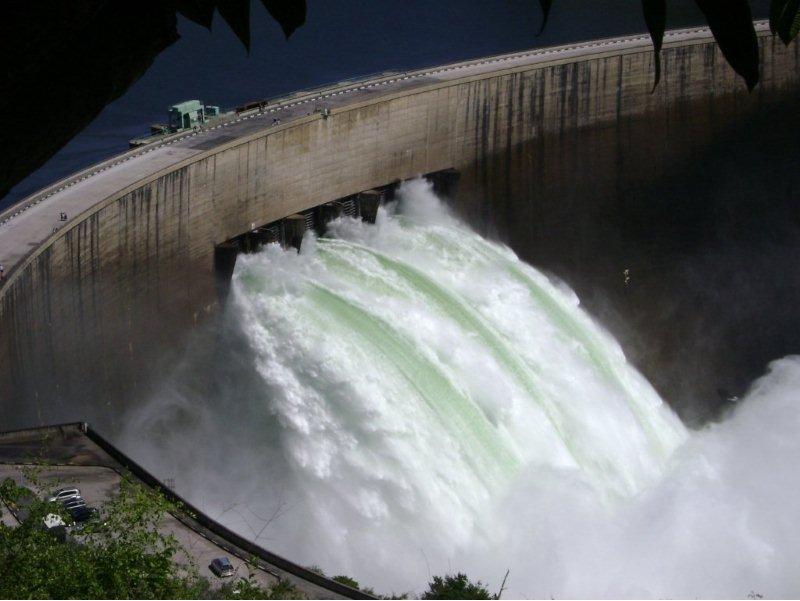
The issue of design electricity generation capacity and the actual potential of power plants is often misunderstood. Engineer Ben Rafemoyo spoke to our reporter Sharon Munjenjema on technical issues of the real capabilities of electricity plant.
***
Eng Ben Rafemoyo
It is important to give an explanation of what electricity generation capacity of a power plant entails.
An example would be of two machines commissioned in Kariba last week which are capable of adding 150 megawatts each to the grid.
But what can happen is when you are generating electricity, let’s say for Kariba, there is insufficient water allocation and you want to conserve that water allocation, you are forced to generate at a low level.
Thus, it must be understood that if a plant has a total capacity of 1 050MW megawatts, that does not mean that you generate electricity at 1 050MW continuously.
There are times when you decide to push it to the maximum and there are times when you can reduce generation output by whatever percentage.
This is done as a way of conserving energy because in a normal state of affairs, the transmission or the grid people advise that we require so much from this station.
So you can actually drop down output deliberately.
A normal working generation plant should be able to send out the rated capacity or design capacity to the grid for example the Kariba plant producing 150 it is designed to produce.
But this has an effect, just like using any engine at full throttle, the risks of breakdowns increase.
However as the machines get old they become less efficient.

At Hwange Thermal Power Station, for example, the machines have been running for years and the rated capacity is no longer feasible at the moment to be sent to the national grid.
So that is where the difference is between installed capacity and actual capacity.
It is not that designed output is not possible, it is possible when the equipment is still new or in good running state. When machines are old or other issues are being experienced, that is the only time when the rated output is not equal to the output being sent out to the national grid.
So we need to contextualise it, that is, it is possible and not possible under certain circumstances to generate electricity at designed capacity.
Another reason is operational parameters may lead engineers to reduce output by a certain percentage.
As many people are aware, the Zambezi River Authority, a company formed by the two governments Zambia and Zimbabwe to manage the water Kariba Dam, sells water to Zesco and Zesa.
They don’t just sell what each company requires, but they sell what each company is able to access from their side of the water body.
So what you do with that water allocation is a decision the operators make. There is a peak period, maybe let’s say six in the morning when people wake to bath cook breakfast and so forth, the demand of electricity for domestic is higher and we push the output up.
There is also another peak period in the evening. So what is done when you are operating a plant like Kariba you follow that graph.
You can even completely switch off the machines because you cannot continuously put out electricity which is not being used.
But that is a lot easier to do with a hydro than with a thermal power station because to start up a generator after switching it off is a lot of work.
The situation in Zimbabwe now in terms of power supply has greatly improved in the last 24 months because our internal power generation has been able to push more output.
This has been a result of repairs and maintenance done particularly at thermal power stations and now because of the new plants commissioned recently.
Engineer Ben Rafemoyo is CEO and regulator at the Engineering Council of Zimbabwe, and former Zesa Holdings CEO
What ED said
“I was delighted to commission the Kariba South Hydro Power Station Expansion Project this afternoon.
“This is a crucial national project because we need energy to fuel our economic development. This project, which adds 300mw of power to the national grid and directly creates 900 jobs, will enable us to cut power imports, bring down prices and provide electricity to more homes and businesses around the country.
“This is a time for bold action and we will not rest as we build a new Zimbabwe for all.” — President Emmerson Dambudzo Mnangagwa’s official Facebook page.


 Online Reporter