


 Online Reporter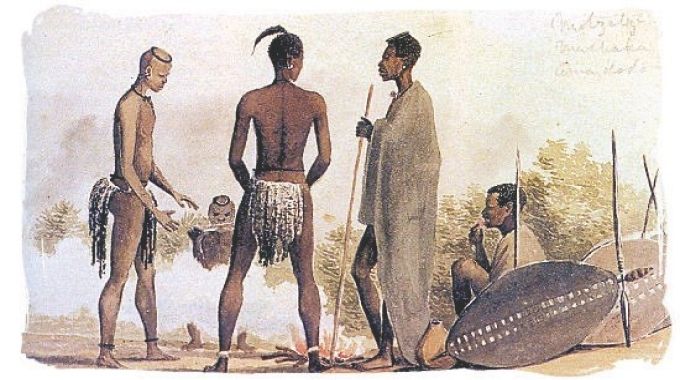
Mzala Tom
The ukuklekla, or ear-piercing ceremony, which applied universally to girls and boys was conducted after the crops had been harvested and when there was a new moon, ukuthwasa kwenyanga. In Ndebele spirituality, the new moon symbolised good fortune, healing, renewal and a new life cycle.
The induna yesigaba, the chief in charge of a district would make a clarion call for youths, male and female, of the appropriate age for a collective ukuklekla ceremony for them. The ceremony was accompanied by feasting and each family contributed beer, food and beasts to be slaughtered, as their contribution to the feast. Where there was no collective ceremony, the patriarch of each clan, umninimuzi, was responsible for ensuring that this ceremony was conducted for his children and grandchildren.
The operation was usually conducted by an experienced officiant. It was performed at the entrance to the cattle byre, isibaya. Sometimes, two or three people assisted the officiant. Women were excluded from participating in the ceremony unless they were well past the child-bearing age.
The instrument used for the ear piercing the ear lobes was a flat piece of iron called incukuthu. It was about 12 millimetres wide and was sharpened at one end. Sometimes the blade of a small spear was also used. A shaped piece of corn stalk was then inserted into the hole of each ear lobe in order to stretch the size of the hole. After the children’s ears had been pierced, there was general feasting and dancing, which lasted as long as beer and food were available.
Not only was ukuklekla was a mark of Ndebele identity, there was also a general belief that by piercing the ears, the child’s ears had now been opened and that he or she would be able to hear well and therefore be able to understand things better. The understanding here refers to maturity and becoming a responsible citizen.
The ukuklekla ceremony was a gender-inclusive rite of passage and was universally applied throughout the Ndebele kingdom since a person whose ears were not pierced was said to remain immature and childish. As a result, pierced ears become a distinguishing symbol of the Ndebele nation. In order to emphasise this mark of distinction, it became common practice to insert an earplug into the opening so that it would show up from a distance. The earplugs were known as iziqhaza. Their designs and shapes depended on the size of the holes.



 Bongani Ndlovu