Chronicle Editor
Fredrick Qaphelani Mabikwa
STRESS is an inevitable part of life, catalysing growth and learning. Yet, when left unchecked, it can wreak havoc on our well-being.
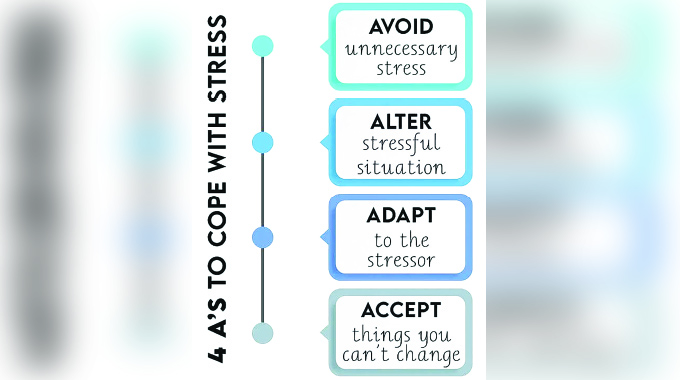
In this article, we’ll explore strategies to both prevent and manage stress effectively. The key lies in altering our approach to stressors — whether by avoidance, alteration, adaptation, or acceptance.
Understanding and accepting yourself
To sidestep stress, self-awareness is crucial. Regular self-reflection enables us to navigate life’s changes with flexibility, honesty and courage. Financial pressures, often self-inflicted, are a prime example.
Living within our means is essential. The trap of “a champagne appetite on a beer budget” can lead to unsustainable lifestyles, such as residing in upscale neighbourhoods or enrolling children in prestigious schools beyond our financial reach.
If school fees necessitate loans, it’s a clear indicator that the school may not be a suitable choice.
Extravagant expenses, including international trips and foreign university tuition, can also be stress-inducing.
Recognising our limits and being realistic about our capabilities are vital steps in living a life aligned with our means, adjusting as necessary when financial situations change.
Identifying and addressing stressors
Our stressors are rarely surprises; we’re usually well-acquainted with their sources. It’s imperative to pinpoint these triggers and our responses to them.
Negative coping mechanisms, such as excessive drinking, seeking revenge, or withdrawing, only exacerbate stress.
Communication is key — talking to friends, family, or professionals can provide, not only advice, but therapeutic relief.
Decision-making and relationships
Much of our stress stems from our choices, attitudes and interactions with others. Maintaining healthy relationships and steering clear of toxic ones can significantly reduce stress. Sometimes, distancing oneself from family politics or “sinking ships” is necessary.
In the workplace, dealing with challenging superiors requires tact — compliance without compromising one’s morals or legality. Accepting the imperfections of human nature and the workplace is crucial for stress management.
Cultivating a balanced lifestyle
A balanced lifestyle is the cornerstone of stress management. This includes abandoning detrimental habits, eating well, exercising, getting adequate sleep, and finding time to relax and smile.
Self-care, taking breaks, and occasional indulgences are important for a fulfilling life. As Elbert Hubbard quipped,
“Do not take life too seriously. You will never get out of it alive.” Worrying should be purposeful; fretting over unchangeable situations is futile.
Let St Augustine’s prayer guide us: “Lord grant me the serenity to accept the things I cannot change, courage to change the things I can, and wisdom to know the difference.”
By embracing these principles, we can navigate life’s stresses with grace and resilience, ensuring that stress becomes a stepping stone rather than a stumbling block.



 Online Reporter