Online Reporter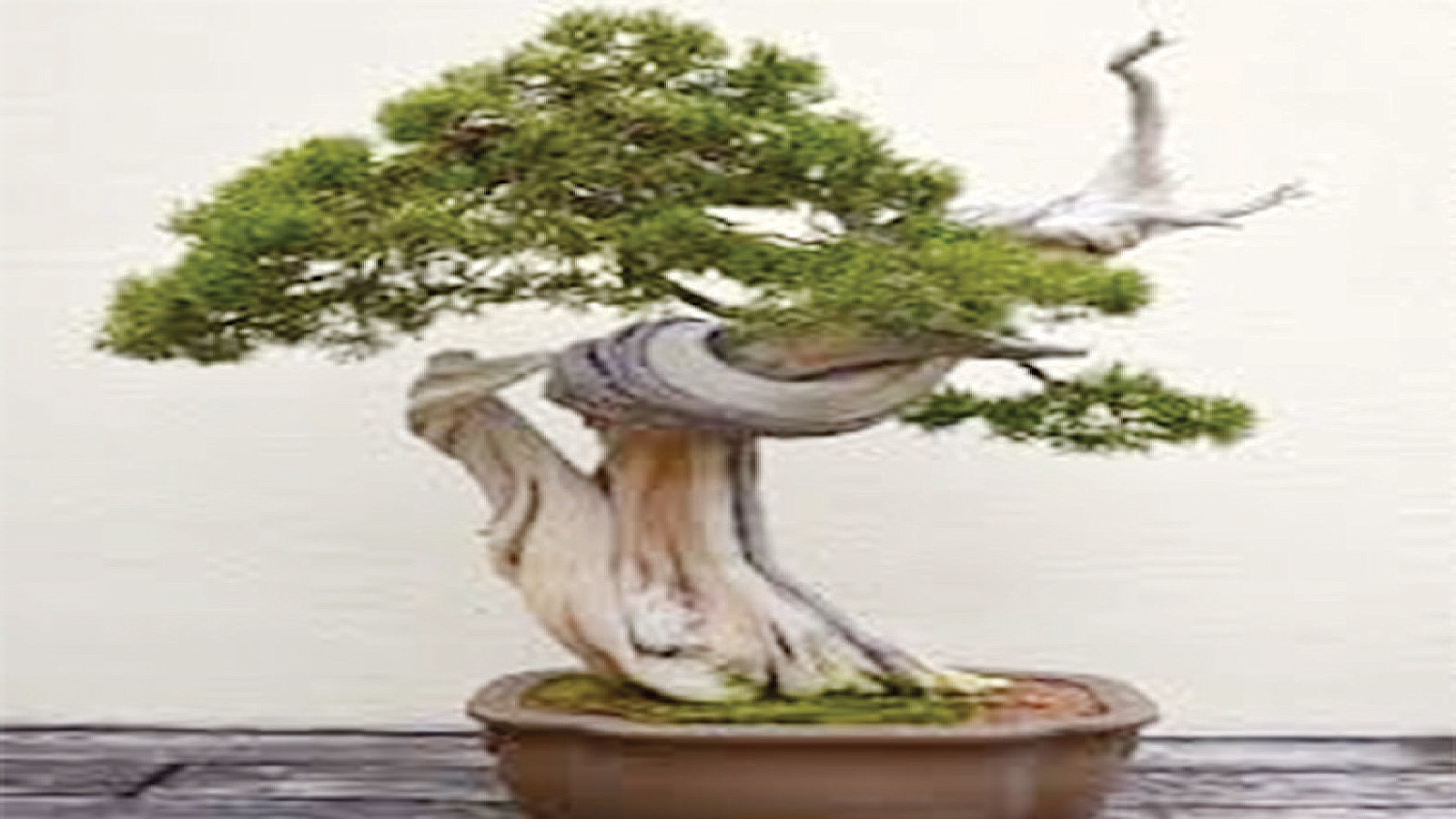
Andrew Mangwarara
Iwas introduced to bonsai growing by my late father, Misheck, who was a great horticulturist with a passion for everything green and beautiful.
He explained how prized these trees could be, a fact I witnessed first-hand at many botanical shows.
The Japanese have become world-renowned because of this ancient style of gardening.
Although this ancient art originated in China around 265AD — where it was known in Chinese as penjing — the Japanese truly developed it into a popular and relaxing hobby.
Bonsai is essentially the growing of trees in shallow trays or containers, where “bon” translates from Japanese as tray and “sai” means a plant or planting. Bonsai trees are generally kept outdoors on a suitable table or bench for easier maintenance and are occasionally moved indoors for temporary display.
Various tree species can be grown in shallow pots as bonsai and are trained systematically to produce exquisite displays of artistic miniature trees. The art of bonsai should be viewed strictly as a form of relaxation.
However, some trees that have been kept for many years can fetch a good amount of money, sometimes up to several hundred dollars, while exceptional specimens like the Sandai Shogun no Matsu in Japan have reached five hundred years of age and are considered priceless.
Suitable tree species range from indigenous to exotic varieties, such as brachystegia, juniperus, cedrus, acacia, erythrina and many others.
One can raise a tree from seed or simply look for neglected, abandoned nursery stock, as damaged or deformed trees often make the best specimens. A good potting mix for bonsai must be well-drained since the trees are watered daily.
To create an ideal mixture, combine one-part sterilised topsoil, one-part coarse sand, one-part compost, some bone meal and a compound fertiliser. To succeed in bonsai, a tree must look the part by appearing aged.
This illusion is achieved through techniques such as pruning, grafting, burning, weighting, carving and pinching.
Experience will eventually show which technique to use with each species.
Bonsai growing is a long-term endeavour that requires a great deal of patience.
Some trees grow upwards while others grow laterally, so a basic understanding of tree growth is necessary to know how to prune them properly. When a tree needs to be re-potted, it is important to do so carefully.
Soak the tree in a tub of water, perhaps overnight, then remove the plant from the pot and gently clear all the soil from the roots without causing damage.
Examine the plant carefully, removing any diseased portions and prune the roots so they fit comfortably into the new pot.
Likewise, prune the shoots to match your desired shape. Reposition the tree — offsetting it slightly rather than centring it, especially if your design features a slant — and add fresh soil, ensuring that all roots are covered and all gaps in the pot are filled. Finally, water the tree thoroughly, remembering to repeat this process daily.
Water your bonsai during the afternoon when temperatures are higher.
Because the plant sits in a shallow tray, daily watering is vital, but you must ensure that water drains immediately to prevent root rot.
This Japanese art of bonsai can be extremely rewarding, particularly for retirees and those with extra time on their hands.
It is a craft tailored for individuals with a keen eye for detail and for enthusiastic gardeners rather than casual amateurs.
If you would like to be featured in our green-up campaign, contact us on: [email protected] or [email protected]