admin
admin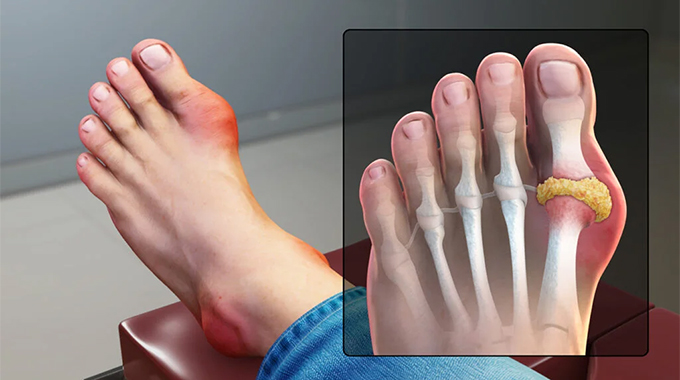
Rumbidzayi Zinyuke-Health Buzz
Everyone has experienced pain before.
Be it from a physical wound, an emotional wound or from a disease that is running wild in our bodies.
Every malaise has a different pain point.
The same goes for gout, an ancient disease once dubbed the “disease of kings or the rich man’s disease’ because it was supposed to be caused by a diet that only the wealthy could afford.
To date, the disease remains shrouded in misconception and stigma and oftentimes leads to it not being taken seriously.
But the excruciating pain that gout inflicts on its sufferers is all too real.
Imagine waking up in the dead of night, the big toe throbbing with an intense, burning sensation, as if it has been set ablaze. Every movement, every breath, sends shockwaves of agony coursing through the body.
This is the cruel reality of a gout attack.
Despite its debilitating effects, gout is often trivialised or misunderstood. People with gout are frequently stereotyped as overweight, lazy, or indulgent, perpetuating harmful assumptions about the condition.
The truth is, gout can strike anyone, regardless of lifestyle or socio-economic status.
What is gout?
Gout is the most common type of inflammatory arthritis.
It causes sudden and intense attacks of joint pain, often in the big toe and at night. It can also strike joints in other toes or the ankle or knee.
In 2020, approximately 55,8 million people globally had gout. The prevalence of gout was about three times higher in males than in females and increased with age.
The total number of prevalent cases of gout is expected to increase by over 70 percent to reach 95,8 million by 2050, with population growth being the largest contributor to this increase.
What causes Gout?
Gout develops in some people who have high levels of uric acid from the breakdown of purines-natural chemicals found in every cell of the body and in many foods, especially red meat, organ meats, certain sea foods, sugary drinks and beer.
When uric acid builds up, either because the kidneys do not excrete it the way they should or from consuming too many from a high-purine diet, it can form needle-like crystals that lodge in joints, causing sudden, severe pain and swelling.
The risk factors for gout includes eating foods mentioned above such as red meat, some kinds of fish, although the health benefits of eating fish likely outweigh any gout risk.
People who consume food and drinks sweetened with high-fructose corn syrup or drink excessive amounts of alcohol, are overweight, have a family history of gout, have certain chronic conditions, including diabetes, obesity and heart or kidney disease as well as those who also take high blood pressure drugs are also at risk.
Gout is more than just pain
Beyond the physical discomfort, gout can have a profound impact on individuals’ quality of life. The unpredictable nature of attacks can disrupt daily routines, limit mobility, and lead to emotional distress. Moreover, gout is often associated with other health conditions, such as heart disease, kidney disease, and high blood pressure, further emphasising its importance.
The impact
While gout is sometimes not considered a serious disease, it can have debilitating effects on those affected.
It can lead to reduced mobility and impaired physical function, contributing to work absenteeism. In addition to its physical impacts, gout imposes an economic cost on those with the condition.
Untreated gout places a substantial burden on the global health system, as chronic gout causes tophi formation, chronic joint pain, and erosion and damage to joints, resulting in an increase in morbidity and disability-adjusted life-years (DALYs).
Furthermore, despite advances in the treatment of gout, it is still underdiagnosed and undertreated and is associated with an increased risk of mortality and comorbidities.
The need for greater awareness
Despite its significant impact, gout remains a relatively understudied and misunderstood condition. Increased awareness is crucial for several reasons.
This leads to early detection and diagnosis which can help prevent severe complications and improve treatment outcomes.
By recognising the symptoms and seeking medical attention promptly, individuals can manage their condition effectively.
It also helps in reducing stigma.
Gout is often associated with unhealthy lifestyle choices, leading to stigma and discrimination.
Raising awareness can help dispel these misconceptions and create a more supportive environment for individuals with gout. Awareness also helps in promoting lifestyle changes.
The disease is often preventable or manageable through lifestyle modifications, such as dietary changes, weight management, and limiting alcohol consumption. By understanding the risk factors and making informed choices, individuals can reduce their chances of developing gout or experiencing recurrent attacks.
Gout has for centuries been associated with excess and is sometimes the butt of innumerable jokes.
According to experts, that stigma, along with fear of another painful flare, can increase stress and contribute to more inflammation in the body.
Like other forms of arthritis, inflammation in gout is associated with a slightly increased chance of depression, especially in people who have frequent flares.
Maintaining regular exercise, restorative sleep and healthy food can go a long way toward improving one’s mood.
The better the mood and outlook, the more able they will be to manage gout.
By increasing awareness of its symptoms, causes, and treatment options, affected individuals can better manage their condition and improve their overall quality of life.
Shedding light on this often-overlooked health issue and prioritising its prevention and treatment can make a difference.
Feedback: [email protected]



 Online Reporter