Online Reporter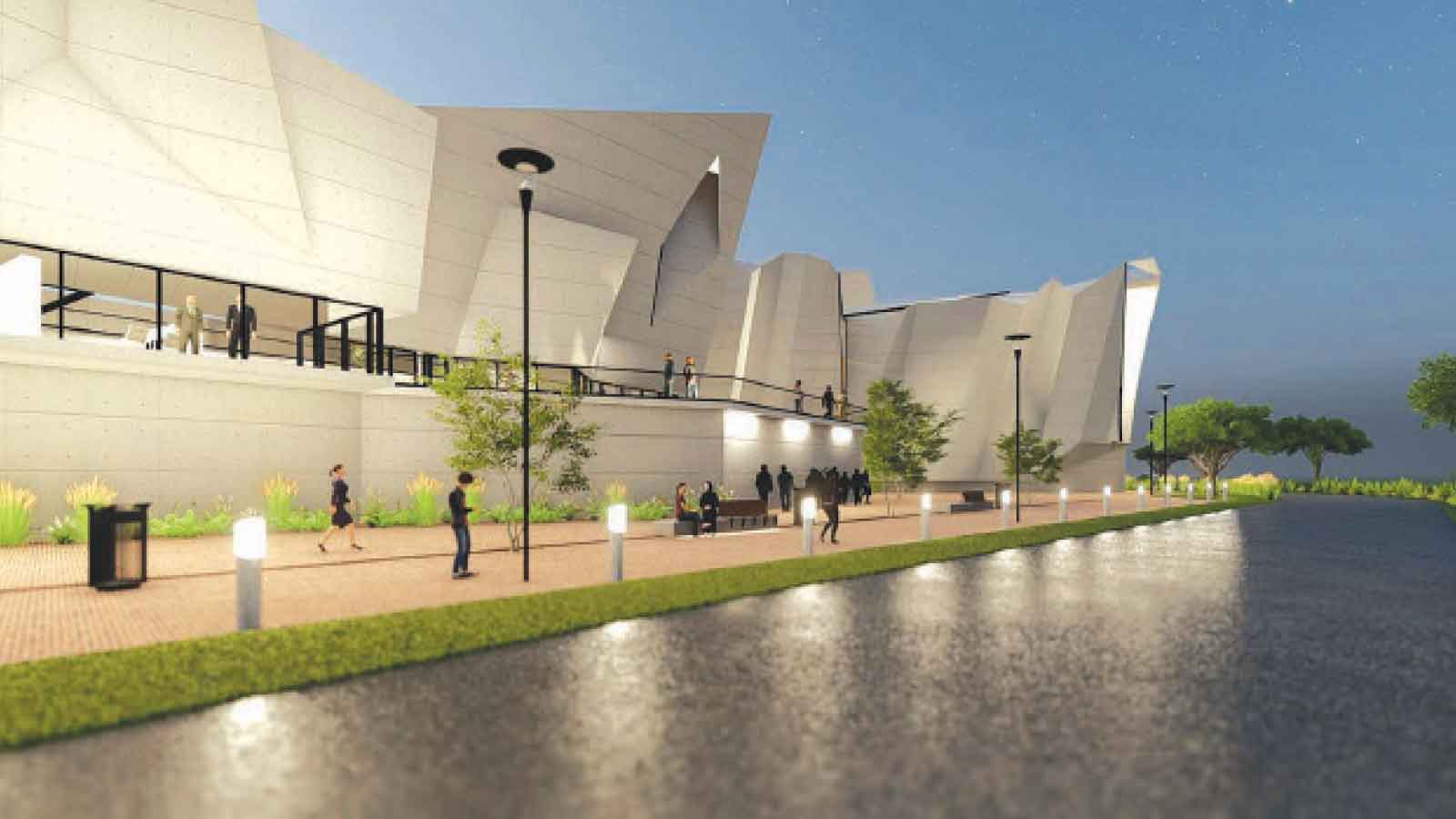
Ambassador Kwame Muzawazi
Every year, Heroes Day calls upon Zimbabweans to pause and remember.
WE remember those who left the comfort of home to wage an armed struggle for freedom.
We honour those who paid the ultimate sacrifice so that future generations could inherit an independent nation.
We celebrate the courage, resilience and patriotism of a generation that refused to accept colonial domination as the permanent condition of the African people.
Yet remembrance must be more than an annual ceremony.
It must become a living national culture. Heroes are not remembered simply because monuments are erected or wreaths are laid.
They endure because each generation deliberately preserves their stories, safeguards the values they embodied and passes those lessons to those yet unborn.
That is why Heroes Day 2026 carries particular significance.
Coming as the Institute of African Knowledge (INSTAK) celebrates its 10th anniversary, it reminds us that the struggle for liberation is an ongoing effort.
Political independence secured our sovereignty, but every generation inherits the responsibility of protecting the ideals for which our heroes fought.
Those ideals include dignity, unity, self-determination, justice and confidence in Africa’s ability to define its own future. The preservation of those ideals requires institutions.
It is precisely from this understanding that the Museum of African Liberation was conceived.
The museum is not simply another building, nor is it merely another tourist attraction: It is about Africa’s living memory.
For too long, the history of African liberation has remained scattered across different countries, archives and private collections.
Artefacts, documents, photographs and oral testimonies that tell the story of Africa’s march to freedom are dispersed across the continent and beyond.
As time passes, eyewitnesses depart, documents deteriorate and memories inevitably fade.
The Museum of African Liberation seeks to reverse that trend.
It will bring together the shared history of liberation movements from across Africa into one institution dedicated to preserving, researching and presenting that history through African eyes.
Zimbabwe is uniquely qualified to host such an institution.
Our country occupies a distinguished place in Africa’s liberation history.
During the liberation struggle, Zimbabwe was itself sustained by the solidarity of the African continent.
Following independence, our nation continued to support the liberation of Namibia and South Africa, remaining faithful to the principle that African freedom is indivisible.
The museum, therefore, reflects Zimbabwe’s historical contribution to the liberation of the continent while providing a permanent home for Africa’s collective memory.
This vision has received unwavering support from President Mnangagwa, himself one of the surviving veterans of Zimbabwe’s liberation struggle.
Appreciating the continental significance of the project, the President accorded Liberation City National Project Status and appointed former Foreign Affairs Minister Ambassador Simbarashe Mumbengegwi as his special envoy on the Museum of African Liberation.
Through his engagements with Heads of State and Government, Ambassador Mumbengegwi has helped reinforce a simple but profound principle: The museum belongs to all Africans.
That continental ownership is already evident.
African governments, liberation movements, diplomats, scholars, traditional leaders, schoolchildren and visitors from across the world continue to visit Liberation City, recognising the museum as one of the African Union’s most significant heritage initiatives.
The project naturally aligns with Agenda 2063, particularly Aspiration Five, which calls for “an Africa with a strong cultural identity, common heritage, shared values and ethics”.
It also complements Zimbabwe’s Vision 2030 by recognising that sustainable development must be built not only upon economic growth but also upon cultural confidence and historical consciousness.
The museum is also part of a much larger vision.
Situated within the 101-hectare Liberation City development, it exists alongside Heritage Village, Liberation Mall, an animal park, an African-themed amusement park, the Harare Sunset SkyDeck, and other attractions and amenities.
Together, these initiatives demonstrate that heritage preservation and economic development are not competing priorities but complementary ones.
In this way, INSTAK is demonstrating that history does more than educate citizens. It inspires, drives tourism, strengthens diplomacy, creates employment and directly contributes to national development.
This philosophy has guided INSTAK throughout its first decade.
Founded in 2016, the institute was established on the conviction that Africa’s future depends upon the continent’s ability to research, preserve and tell its own story. That conviction has produced initiatives such as the “Africa Factbook”, the “Book of African Records”, educational programmes for young people, international partnerships and the Museum of African Liberation itself.
Over the past decade, the institute has sought to demonstrate that knowledge should never remain confined to libraries or conference rooms.
It must shape policy, education, diplomacy and development.
Heroes Day reminds us why that mission matters.
The generation that liberated Zimbabwe entrusted us with more than a flag and a national anthem.
They entrusted us with a story.
It is our responsibility to ensure that story is never forgotten, never distorted and never surrendered to others to tell on our behalf.
Our children must know not only the names of Mbuya Nehanda, King Lobengula, Joshua Nkomo, Herbert Chitepo, Josiah Tongogara, Jason Ziyaphapha Moyo, Nikita Mangena, Leopold Takawira, Lookout Masuku and countless other heroes and heroines. They must also understand the values they represented, the sacrifices they made and the unfinished responsibilities they have passed to us.
That is why the Museum of African Liberation matters.
It is not a monument to the past. It is an investment in the future.
When a young Zimbabwean walks through its galleries decades from now, they should leave with a renewed appreciation that freedom was won through sacrifice, unity and unwavering belief in Africa’s destiny.
When visitors from across the continent arrive, they should recognise not simply Zimbabwe’s story, but Africa’s shared journey from oppression to liberation. And when the world visits, it should encounter an Africa confident enough to tell its own history in its own voice.
Heroes never truly die when nations remember.
They live in the institutions we build, the values we preserve and the generations we inspire.
As Zimbabwe commemorates Heroes Day 2026, let us honour our liberation generation not only through remembrance, but through renewed commitment to preserving their legacy.
In doing so, we will ensure that the Museum of African Liberation becomes more than a repository of history.
It will become a living classroom of African freedom, a beacon of Pan-African solidarity and a lasting gift from Zimbabwe to the continent and to generations yet to come.
Ambassador Kwame Muzawazi is the chief executive officer of the Institute of African Knowledge (INSTAK).