Online Reporter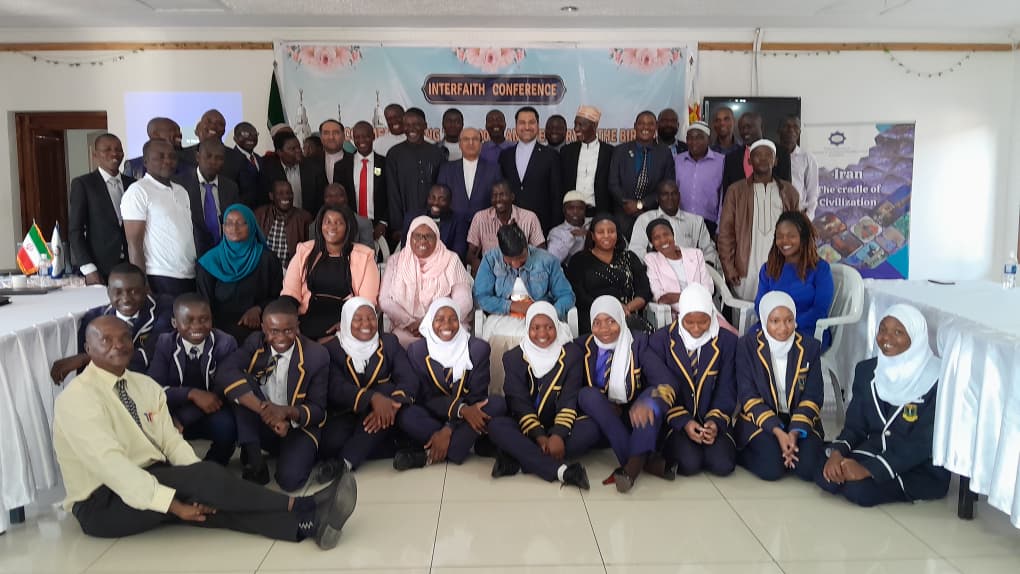
Anesu January
Herald Reporter
The Ambassador of the Islamic Republic of Iran to Zimbabwe Dr Amirhossein Hosseini, has urged leaders and communities to embrace justice, compassion, and unity as key values to resolving global crises.
Addressing religious leaders and scholars at the commemorations of the 1500th anniversary of the birth of Prophet Muhammad, Dr Hosseini said that the commemorations were not merely symbolic but were a collective recognition that the universal values embodied in Prophet Muhammad’s life of justice, mercy, tolerance, and human dignity help in guiding the world.
“The life of the Prophet Muhammad offers us a model of leadership rooted in justice, compassion, dialogue and respect for human dignity,” he said.
“Justice was the foundation of the Prophet’s political and ethical leadership. It was not selective, nor partial. It applied equally to the strong and the weak, to Muslims and to non-Muslims alike.”
Dr Hosseini said Prophet Muhammad’s Charter of Medina, the Prophet created a community where Muslims, Christians, Jews, and other groups lived together under a common civic agreement, respecting one another’s rights and responsibilities.
“It remains a powerful model for us here in Zimbabwe and across the globe: we can be true to our faith while building bridges across differences,” he said.
“The Prophet’s teachings are not relics of history. They are living principles that can inspire us to address the pressing challenges of our own time, whether inequality, conflict, environmental crises, or the erosion of ethical values in global politics.
“They remind us that religion is not a force of division, but a fountain of healing and unity.”
Dr Hosseini reaffirmed the need to foster the dialogue of civilisations, strengthening interfaith cooperation, and promoting a more just international order.
“I believe that the legacy of the Prophet Muhammad provides humanity with a timeless roadmap anchored in justice, mercy, consultation, and pluralism for building a peaceful and dignified world.”
He urged religious leaders, scholars, and policymakers to join hands in translating the values and teachings into action.


 Online Reporter