Vusumuzi Dube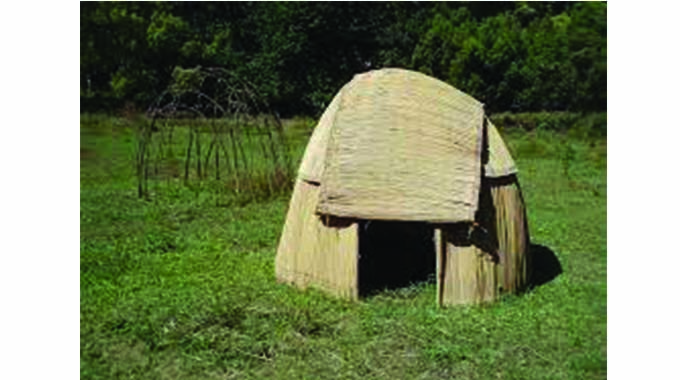
The Khoikhoi were the other early inhabitants of Southern Africa. They were Stone Age hunter-gatherers just like the San, but added pastoralism to their way of life.
They were called ‘Hottentots’ by the early Europeans, meaning ‘Stammerers’. They adopted the name Khoikhoi, which means ‘men of men’, for they considered their way of life superior to that of the San.
Origins of the Khoikhoi
The exact origin of the Khoikhoi is debatable. The old theory says that the Khoikhoi had migrated from East Africa with their livestock and settled in Southern Africa.
In the contrary, recent historical evidence has shown that this is not true. It is argued that the Khoikhoi were among the original inhabitants of the area.

It is also argued that some of the San people adapted to changes in their environment and began to raise domestic animals, probably about 2000 years ago.
Economic System of the Khoikhoi
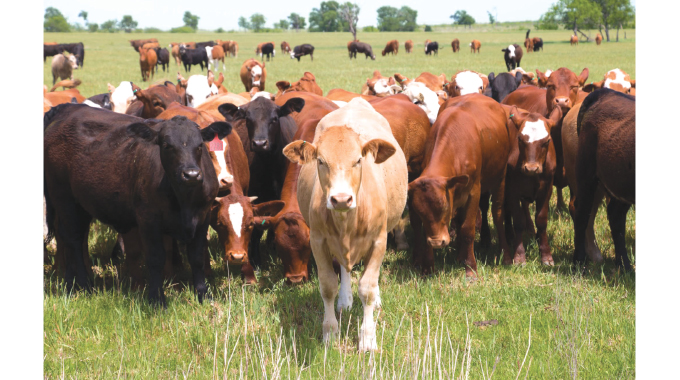
Pastoralism was the major economic activity of the Khoikhoi. They kept long-horned cattle, fat-tailed sheep, and goats. Animals were kept for meat and milk. Cattle in particular became an important symbol of wealth and prestige in the community.
The whole way of life of the Khoikhoi was organised around their livestock hence the name Khoi herders. They moved from place to place during different seasons looking for pastures and water for their animals [transhumance system]. When hunting was not successful, their fat-tailed sheep and goats provided a ready supply of meat. Cattle were only killed on special occasions.
Crop cultivation was also done. As time went on, around the third century AD, some Khoisan people began to grow crops. They cultivated a grain called Pennisetum and a variety of other plants.
Hunting and gathering were done. Like the San, both sexes of the Khoikhoi were involved in the community’s economic activities. Men hunted wild animals for meat and to get skin for clothing. Thus they still depended on hunting for much of their meat. Women gathered roots, berries, wild fruits and so on.
They did pottery. They made pots in great numbers to store and carry milk. There was a small handle near the neck of the pot so that it could be hung from a tree or carried over the shoulder on a stick. Pots were also used for storing the fat from the tails of their sheep.

The Khoikhoi’s industry and technology were more developed than those of the San. They still used wooden digging stick, bags and other tools used by the San but they introduced new technology, for example, smelting and smithing of iron and copper and carving of shallow dishes.
Trade was also done. They traded with traders from the Near East, who often came to the South Eastern coast of Africa. They traded with salt extracted from salty mineral springs through evaporation in soapstone dishes.
Social organisation of the Khoikhoi
Young people were initiated into adulthood at about 18 years. Marriage was to take place after this ritual had been performed.
The groom paid lobola in form of an ox for the wedding feast. The improvement in diet led to a slight increase in the size of the people from the very small stature of the San. In addition to the loin cloth of the San, the Khoikhoi wore leather cloaks or karosses, fur caps on their heads and sandals on their feet.
They smeared their bodies with ointment made from red iron-stone and fat and they used sweet smelling herbs to overcome the smell of perspiration on the body. They moved from one camp to another in search of pasture and water for their livestock.
The Khoikhoi camps were larger and more settled than those of the San because they had a ready food supply close at hand. A Khoikhoi village consisted of from 5-35 or more dome-shaped huts and they did not live in caves because of their large numbers.
The huts were arranged in a circle and domestic animals were kraaled overnight within the village circle. Men became more important than women. They controlled the cattle and sheep, so they had control over the main supply of surplus food.
They lived and moved in fairly large groups of about 200 people. There was division of labour. Men hunted and were cattle herders while women milked cows and goats, gathered and made pots.
n Dr Manners Msongelwa is the president of History Teachers of Zimbabwe and a Teacher at Camelot college in Kwekwe


 Online Reporter