Online Reporter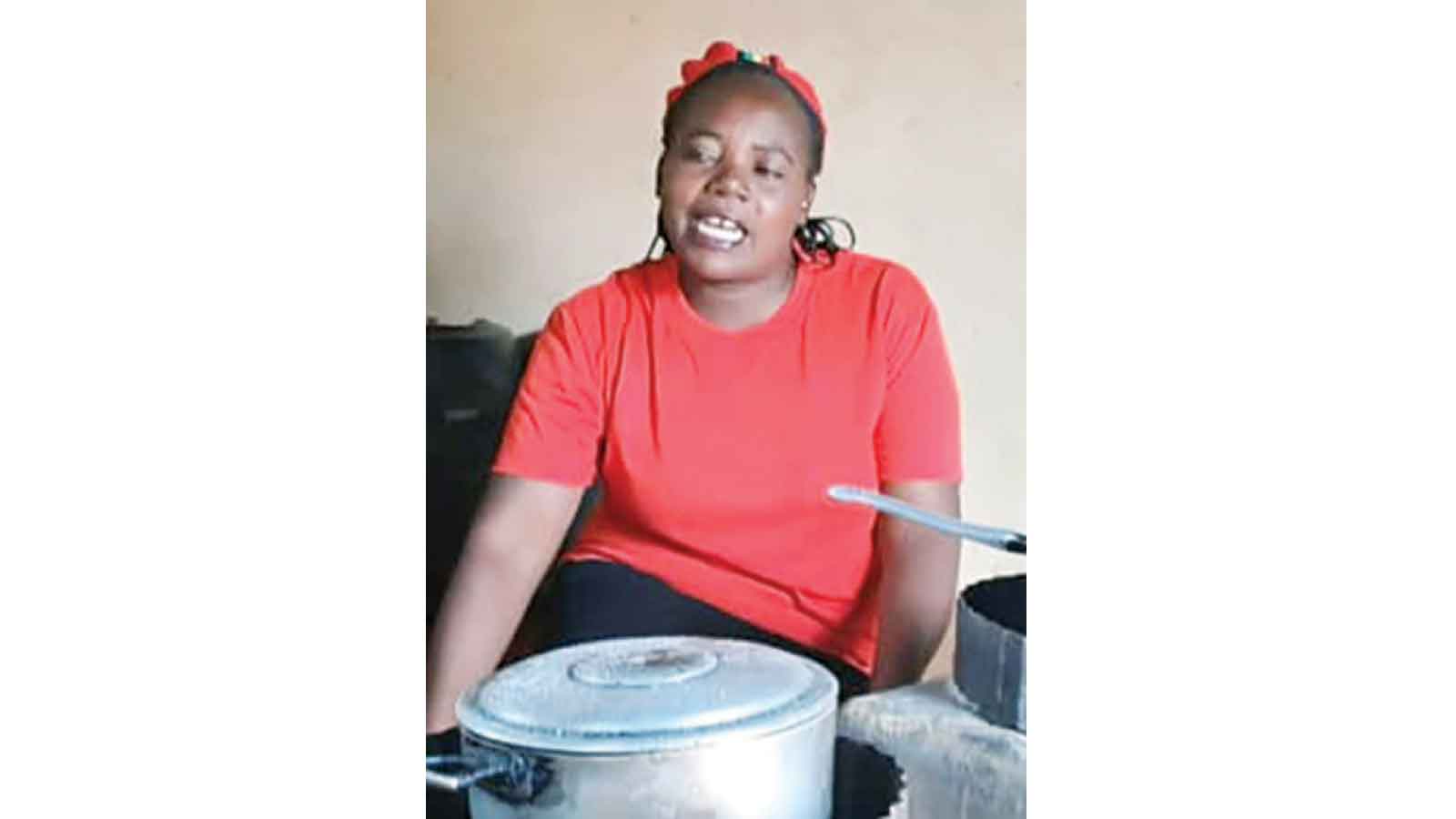
Fungai Lupande
Mashonaland Central Bureau
THEY say a woman’s pride is her kitchen and for Mrs Zvisineyi Chigwete of Mhande Village in Rushinga, that pride comes not from one, but two kitchens.
One is reserved for beautiful displays, and the other for cooking on a tsotso stove that uses less firewood and helps conserve the surrounding forests.
Every morning, Mrs Chigwete begins her day by sweeping her yard, cleaning the toilets, and tending to both kitchens.
Her diligence reflects a transformation that has swept through Mhande Village, a transformation driven by access to clean water, improved sanitation, and the determination of women determined to uplift their homes.
For decades, families in Mhande lived without reliable water sources.
Women walked long distances, even at night, to fetch water from neighbouring villages, a journey often marked by danger, conflict, and exhaustion.
Open defecation was common, and diarrhoeal diseases frequently sent families to clinics, draining scarce household income.
Change began with President Mnangagwa’s Presidential Borehole Scheme, which brought the first dependable water sources to the area.
Later, Charity Water and its implementing partner Welthungerhilfe (WHH) complemented this progress by establishing the Nyamarodza piped water scheme in 2021.
“We could not believe that water could travel two kilometres underground through pipes,” said Fungai Kairuza, the chairperson of the Mhande Community Health Club.
“For the first time, we planted fruit trees and started vegetable gardens. Water gave us life.”
Clean water sparked broader community action.
With support from Charity Water’s demand-led sanitation programme, villagers formed sanitation action groups that championed the construction of ventilated pit latrines.
In just four months, all 84 households built toilets, moulding their own bricks, buying cement and assisting vulnerable families.
“We used to defecate behind our huts and along the river, then drink the same water,” said Kairuza.
“Now our children are healthier. We have dignity. We vow to never go back to our old and shameful ways”.
The improved hygiene standards have became a source of pride.
Women began competing not in wealth, but in the cleanliness, sparkling and organisation of their kitchens. And with reduced disease outbreaks, families saved money previously spent on medical care.
The Zvinodakushinga Community Health Club, which started with just seven women, has grown to 25 active members.
The group introduced a savings and lending scheme, enabling households to buy kitchen utensils, pay school fees and invest in income-generating projects.
“We started a goat project and bought six goats,” said Kairuza.
“We also ran a poultry project that thrived. Each year we raised at least US$1 000 as a group.”
Although drought and theft wiped out the goats in 2023, the women refused to give up.
They rebuilt their savings, continued their inspections of household hygiene and partnered with the National AIDS Council to raise awareness about HIV, stigma and prevention.
Ward Councillor, Alderman Carnal Muropa, said the community had never benefited from a water scheme until the Presidential Borehole Programme was introduced.
“Today, nine out of 12 villages have been declared open defecation free,” he said.
“An educated society is a healthy community. People used to spend money taking sick relatives to clinics, yet building a toilet costs as little as US$30.”
Recently, Mhande received two additional boreholes to further strengthen access to safe drinking water. The women of Mhande Village proudly say their lives have been transformed.
With water, they now grow gardens, send children to school without arrears, maintain clean homesteads, and run small enterprises.
Their kitchens shine, but more importantly, so does their future too.