Chronicle Editor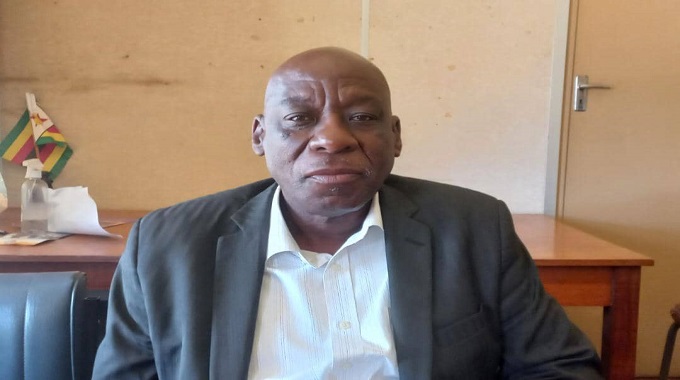
Sukulwenkosi Dube-Matutu, [email protected]
ON the road leading to the liberation struggle, freedom fighters had to master the art of striking with stones before receiving military training to enable them to stand against the oppression of the British regime.
This was said by the Zimbabwe Ex-Political Prisoners, Detainees and Restrictees Association (ZEPPDRA) chairperson for Matabeleland South, Cde Linnos Sibanda.
In an interview yesterday, Cde Sibanda who was the Zapu organising secretary for Gwanda District in 1976, said when the revolutionary leaders decided to take a stand against colonial rule, the whites responded by hunting them down and imprisoning them.
He said for the liberation struggle to be a success, youths had an obligation to protect their leaders.
Cde Sibanda said at the time blacks did not have access to firearms as they had not yet received military training. They, however, came up with tactics of striking back at the whites.
“The liberation struggle didn’t start with the young women and men leaving their homes to go for training, but there was a great deal of planning and strategising on how to escape colonial rule.
“Revolutionary leaders and political activists such as Joshua Nkomo held meetings in communities and this didn’t go down well will the Rhodesian Army leaders,” he said.
“They used to move around so that they could identify the ring leaders of the uprising and arrest them. The Rhodesian soldiers would also disrupt any strategic meetings that our leaders were held.”
Cde Sibanda said as youths they would ambush convoys of the Rhodesian Forces and attack them with stones to prevent them from attacking political activists.
“We used boulders to block the path of the vehicle and then attack the soldiers. We were doing that to stop the Rhodesian troops from reaching their areas. We also used homemade petrol bombs to attack the whites,” he said.
Cde Sibanda said their leaders supplied them with petrol which they would then mix with sand and bomb farms belonging to white settlers.
“We didn’t have firearms, but we had to protect ourselves from the Rhodesian army. Whenever we spotted the army vehicle approaching, we would throw stones on the roofs to alert our elders. At night we used to ambush the whites and attack them,” he said.
“We would hide in the bush and throw the stones and then run away. Our tactic would force them to retreat and abandon their attack.”
Cde Sibanda said as youths it was their duty to protect the revolutionary leaders who were working tirelessly to liberate the country.
He said the revolutionary leaders continued with the struggle until ZPRA and Zanla forces were trained and equipped to liberate the country.
Cde Sibanda was arrested by the Rhodesian forces in 1976 for political activism, and was detained for three years at Khami Prison.
He said the experience in prison was harsh as the black people were being harassed and ill-treated.
Cde Sibanda suffered an injury in prison which left him limping.
Even though he tried to be on the lookout for the Rhodesian Forces there were some sell outs within the community who were giving out information to the whites.
“A lot of our leaders were arrested for being political activists and in 1976 I was also arrested for being the ring leader of the youths. Anyone who took a stand against the government and participated in the liberation struggle was targeted,” said Cde Sibanda.
“In prison we were ill-treated, denied food and tortured. We were forced to stay naked during cold days.”
Cde Sibanda said when his peers went for military training he could not join them since he was incarcerated and was only released from prison in 1979.
He said he played an active part in providing supplies such as medicine and food to the guerrillas.
Cde Sibanda said they used to hide the supplies underground in fowl runs and then deliver them to various bases at night.
He said ex-detainees, war veterans, war collaborators among others contributed in liberating the country from the repressive colonial government.
“As we will celebrate Heroes’ Day, we have to take note of the supreme sacrifices made by our heroes and heroines to liberation us from the yoke of colonialism.
“Several lives were lost, people were tortured, and some were injured,” said Cde Sibanda.
“Some of us as have permanent medical conditions as we suffered while trying to liberate the country. It’s our role as citizens of the country to safeguard the gains of the liberation struggle and support President Mnangagwa and the revolutionary party.”


 Online Reporter