Online Reporter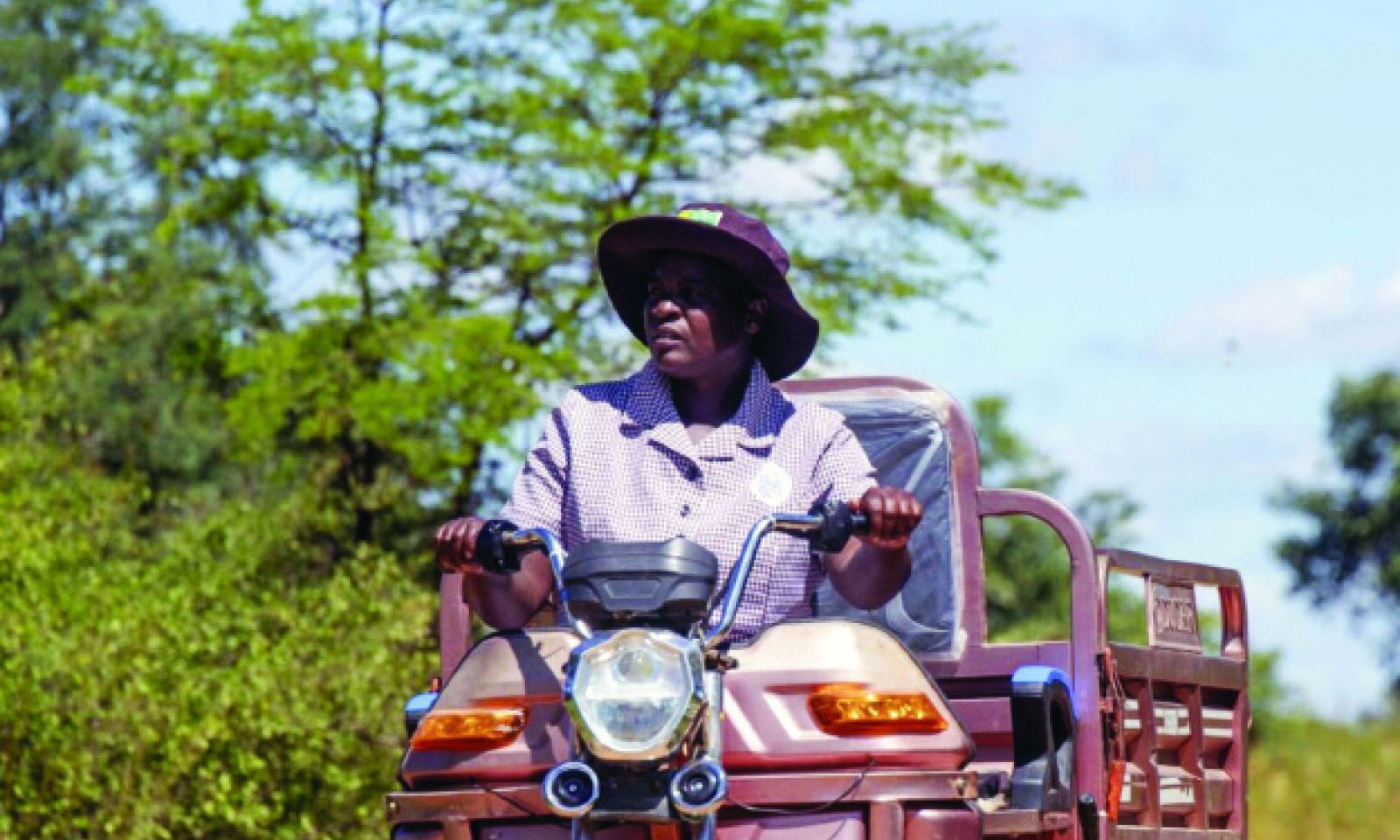
Theseus Shambare
Features Writer
ABOUT 35 kilometres south of the capital, along the busy Bulawayo-Harare highway, a curious signpost reads “Pamamonya Ipapo”, which is a colloquial Shona expression that literally means being amongst the giants.
The phrase symbolises strength against all the odds.
It has proven to be inspirational to small motorbikes conquering tough terrain and plying routes where cars and kombis fear to tread.
At the signpost, a dozen motorcycles are parked in neat rows.
At first glance, it looks like a bike sale or a casual gathering, but these small machines are part of a vital local transport network.
Riders line up daily to ferry residents across farms, resettlement areas and rugged pathways to the highway.
Where cars fail, these bikes thrive.
Nomatter Soko (31) pioneered the movement here.
He bought his motorbike for personal transport but quickly noticed an opportunity.
“People were stranded and walking was dangerous. Soon, I started transporting neighbours as far as Lifordia. Then others asked for rides and what began as a personal convenience became a service,” he recalled.
Among those who joined Soko’s effort are Lastborn Mushambi, Joseph Mhlanga and Cephas Dhani, all operating daily from Pamamonya.
Together, they have transformed the once-perilous route into a lifeline.
On a good day, Soko makes US$30, while Mushambi averages US$25.
For this rural stretch, these incomes are significant, particularly amid limited formal opportunities.
What makes these machines ruthlessly effective and convenient is their ability to facilitate last-mile deliveries of both passengers and cargo, particularly in hard-to-reach areas for motor vehicles such as kombis and mishikashika.
Terrifying walks
For decades, the footpaths linking farms to the highway were notorious for crime.
Residents recount long treks exceeding five kilometres through bushy terrain, often risking being robbed, assaulted and even murdered.
Women were particularly vulnerable, with reports of sexual assault and harassment along these isolated stretches.
“Before the bikes, people were prisoners in their own communities,” said Mhlanga.
“Walking to the highway was terrifying. Now, at least we can move them safely.”
The motorbikes provide not only safety but also affordable mobility. A ride costs between US$1 and US$3, far cheaper than hiring a private car or waiting for rare kombis.
Pamamonya is, however, not unique.
Across Zimbabwe, similar motorbike services are filling the gap, often disrupting the traditional modes of transport.
In St Alberts, Mashonaland Central province, people from Muzarabani now navigate the rugged Mavuradonha Mountains to reach hospitals, schools and markets on motorbikes.
“It would take us hours to get to the hospital or shops,” said Tapfuma Sohwe.
“Pregnant women would need to go to the hospital two weeks before the delivery date, otherwise if they waited for labour pains, they would not get to the hospital on time.”
The mining communities of Mutoko also rely on bikes to reach gold fields and transport goods as cars frequently break down on rough tracks.
“Our terrain is not favourable for small cars, but bikes can manoeuvre,” said Kudzai Gauzani from Chisambiro.
In Chipinge, some villagers even cross into Mozambique on two-wheelers, trading goods where conventional transport fails.
In Umguza, Matabeleland North province, motorbikes connect scattered homesteads to clinics and local markets.
According to the Zimbabwe National Statistics Agency (ZimStat, 2024), over 80 000 registered motorcycles operate nationwide, but informal numbers are estimated to be double that.
In rural areas, these bikes, which also include tricycles, are increasingly seen as critical, especially where road networks are sparse or poorly maintained.
From city couriers to rural lifelines
Harare tells another story.
In the central business district (CBD), motorbikes cluster outside shopping malls, ready to ferry goods for informal traders.
Small boutiques, sellers of electronic gadgets and food vendors rely on bike couriers to deliver items quickly and affordably, often for fees starting at US$2, compared to US$6 or more from traditional couriers.
New riders like Tendai Mawere and Grace Tanyaradzwa have joined the city trade, citing independence and speed as key motivators.
“Traffic in Harare is brutal. A motorbike can get a package across in minutes, while cars crawl,” said Tanyaradzwa, one of the few women couriers in the CBD.
The urban and rural stories impart one key lesson: Motorbikes provide agility, affordability and access that other vehicles cannot.
Historical perspective
Zimbabwe is not new to two-wheel transport.
Motorbikes have a long history in Zimbabwe’s transport landscape, but the role they play today is unprecedented.
Decades ago, small-scale deliveries were limited to a handful of urban services, often restricted to groceries or essentials within city neighbourhoods.
Today, the demand has exploded.
In urban areas, riders support a thriving informal economy, ferrying goods for traders and businesses.
In rural and peri-urban regions, they have become lifelines — transporting people, supplies and even patients across treacherous terrain where buses, cars and formal transport rarely reach.
The scale and critical nature of their work is now unmatched.
“Motorbikes are not a luxury anymore; they are essential,” said transport analyst Tinashe Zihwa.
“They perform jobs that buses and cars simply cannot in remote or poorly serviced areas.”
Opportunities for the youth and women
For many young Zimbabweans, motorbikes offer both employment and empowerment.
Joseph Mhlanga (24) never expected to own a bike.
“I used to look for piece jobs in Norton. One day, I borrowed a friend’s bike and began transporting people. It was better than sitting idle. I saved and bought my own,” he said.
Women are also increasingly entering the sector.
In Harare, Tanyaradzwa delivers parcels for multiple clients, earning enough to support her household.
Rural areas are slowly seeing female riders, too, though numbers remain low due to cultural and logistical barriers.
Challenges and regulation
Despite their success, motorbike services carry risks.
Many riders operate without proper Class Three licences, helmets or reflective gear.
Night travel can be dangerous and isolated paths are prone to crime.
Transport and Infrastructural Development Minister Felix Mhona recently urged riders to comply with traffic laws and secure proper documentation.
“Bikes contribute to road accidents. We will not hesitate to take action against reckless riding. Proper regulation is essential for safety and sustainability,” he said.
The Drivers Association of Zimbabwe has drafted a code of conduct for motorbike operators, including fines, suspensions and registration protocols.
Experts believe formalising the sector could enhance safety, expand insurance coverage and create further employment opportunities for the youth.
Beyond jobs, bikers have transformed community safety and access.
Mushambi recounts helping a pregnant woman reach a clinic at night, while Soko says riders sometimes transport schoolchildren to catch early buses.
“We are more than transport providers,” said Dhani.
“We are part of the community’s safety net.”
Residents agree.
Marvellous Chikova, a farmer near Pamamonya, said the presence of motorbikes has restored freedom of movement.
“Walking alone was frightening. Now, we feel safer, and we can visit clinics, markets and attend social events without fear,” he said.
As the sun sets, the motorcycles at Pamamonya hum in unison.
The riders prepare for the last trips of the day, weaving through fields and dirt roads that no car dares attempt.
The signpost, once a simple marker, now carries symbolic weight.
Pamamonya Ipapo — amongst the giants — celebrates the courage and resilience of ordinary people using small machines to overcome giant challenges.
Where cars fail, these bikes blaze trails — giants coming in the smallest forms.